




WSPÓŁPRACA


Instytut Dendrologii
Polskiej Akademii Nauk
kategoria naukowa A+ w dyscyplinie nauki biologiczne
kategoria naukowa A+ w dyscyplinie nauki leśne
WSPÓŁPRACA


Click on the poster thumbnail to view the full version of the poster, click on the title to access the summary
|
Sesion 1 – Conference Program |
||
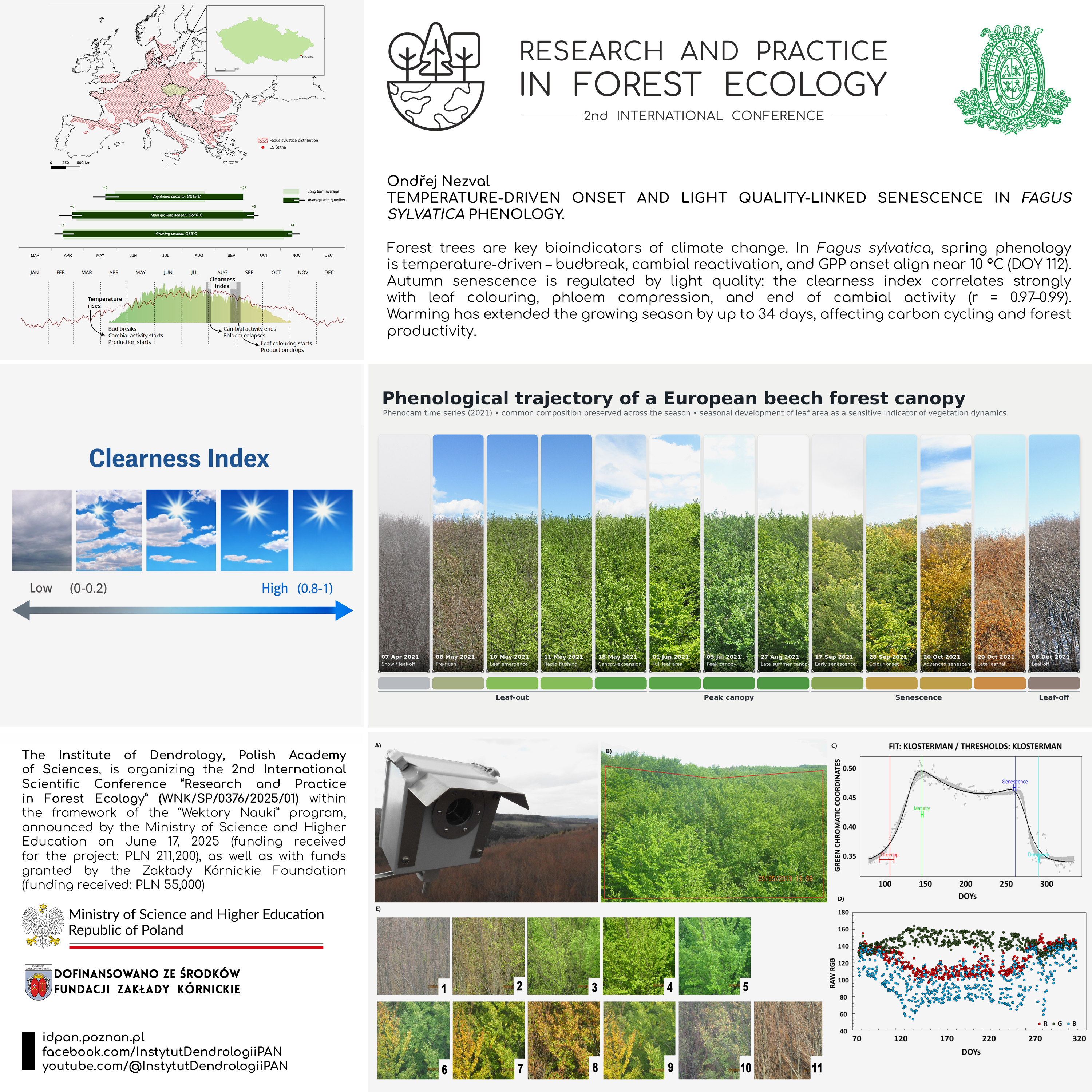
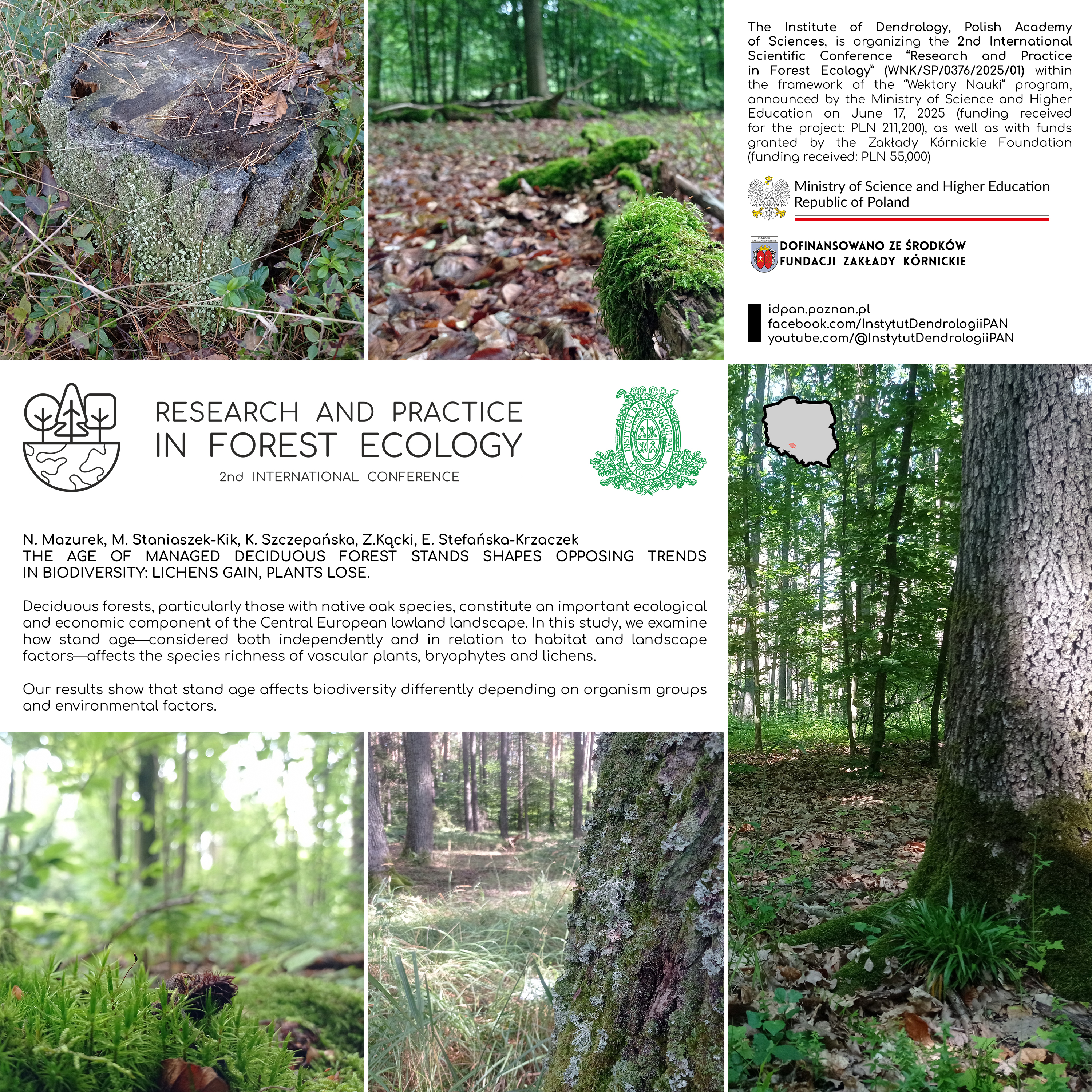
| Ondřej Nezval Temperature-driven onset and light quality-linked senescence in Fagus sylvatica phenology |
Shirin Alipour Iranian oak habitats and space: a combined gap analysis to inform effective protected areas expansion |
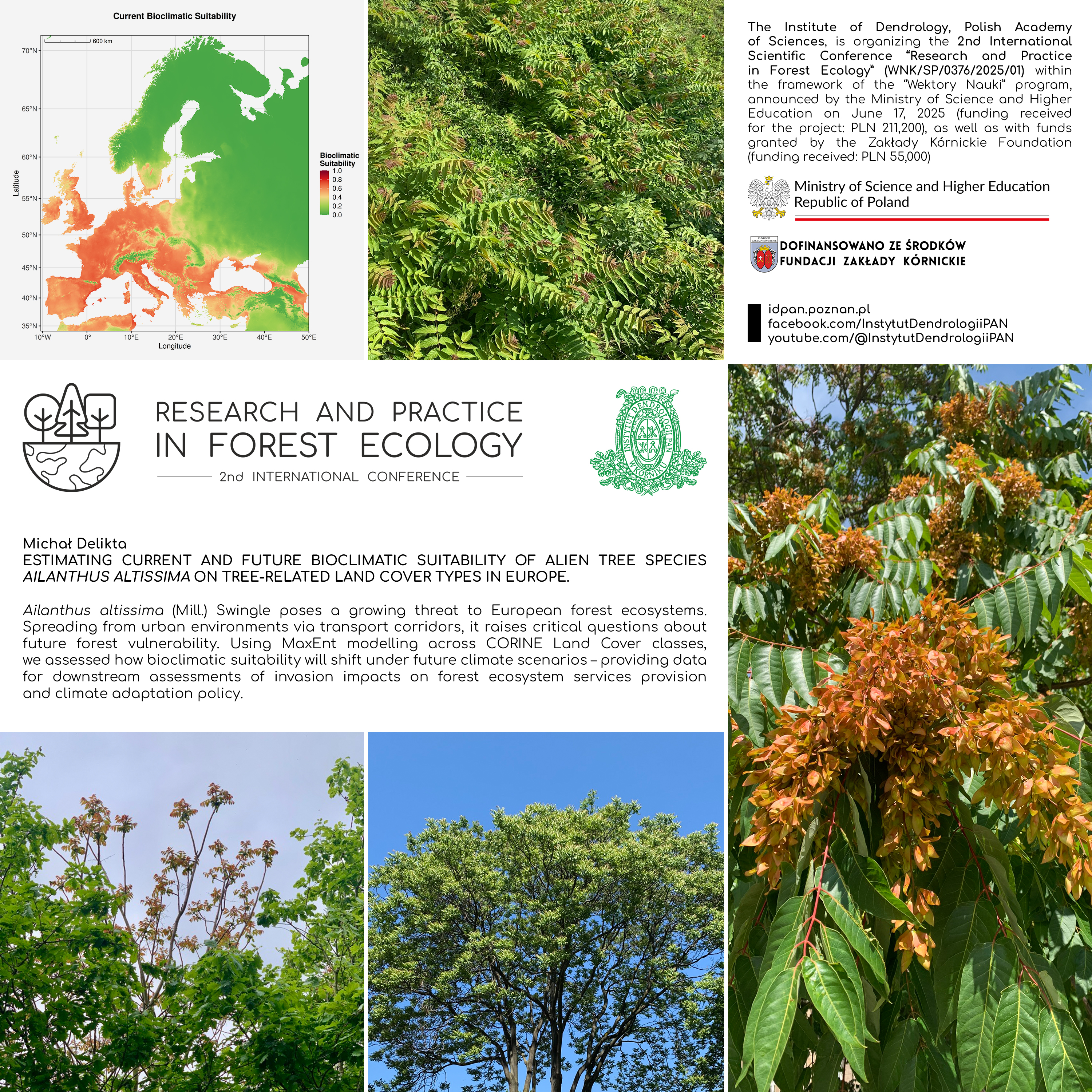
Michał Delikta Estimating current and future bioclimatic suitability of alien tree species Ailanthus altissima on tree-related land cover types in Europe |
![]() |
||
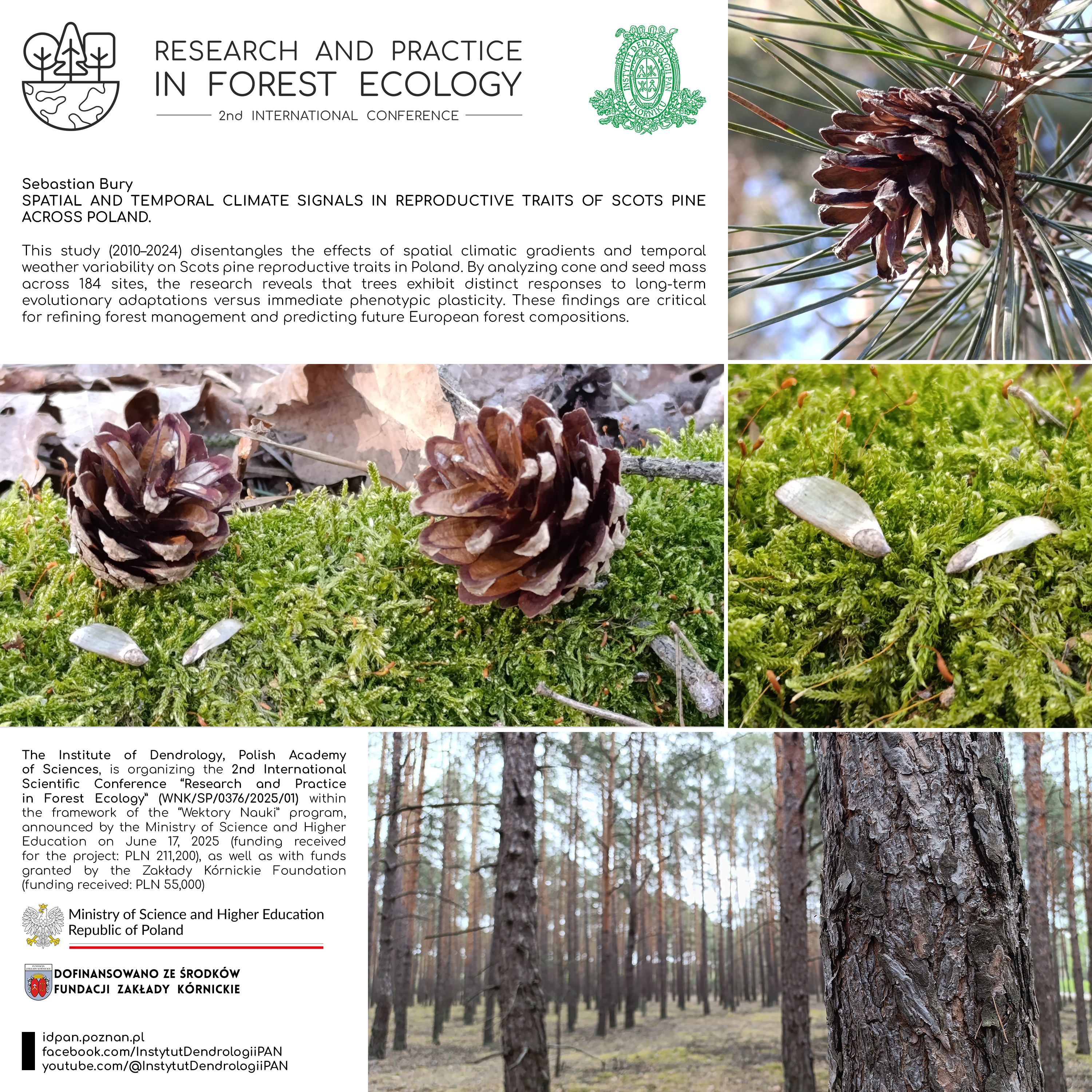
| Sebastian Bury Spatial and temporal climate signals in reproductive traits of Scots pine across Poland |
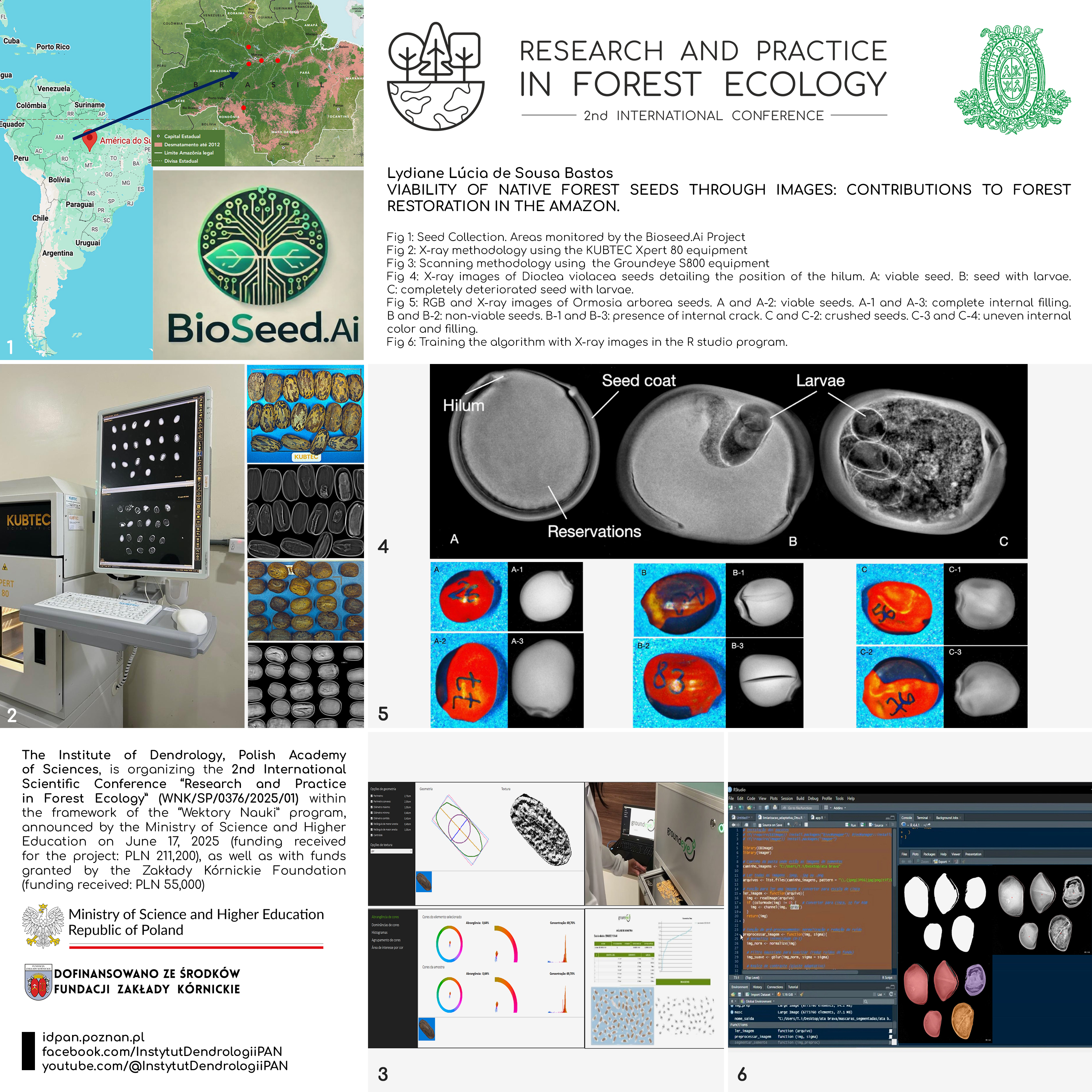
Lydiane Lúcia de Sousa Bastos Viability of native forest seeds through images: Contributions to forest restoration in the Amazon |
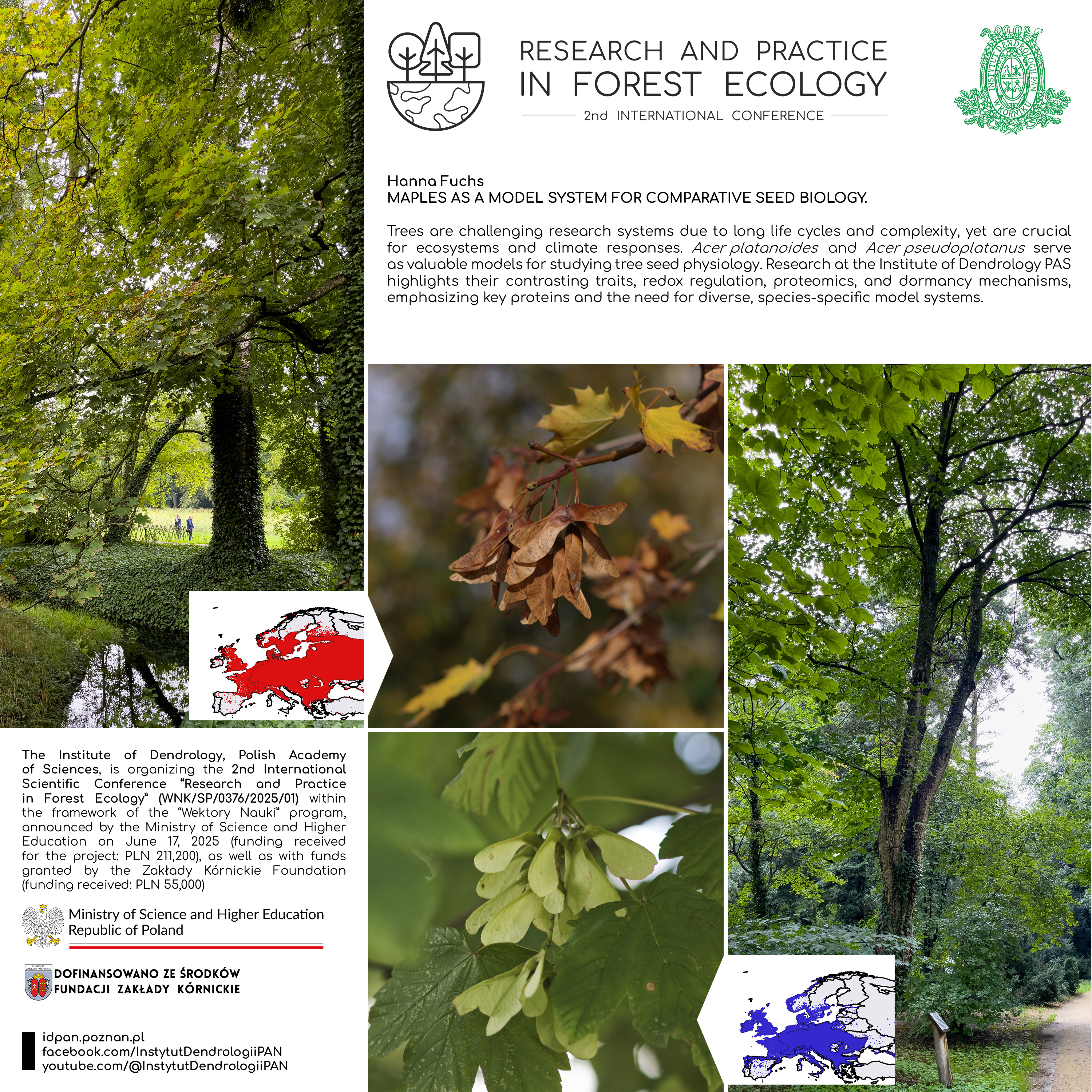
Hanna Fuchs Maples as a model system for comparative seed biology |
| 10 | 11 | 12 |
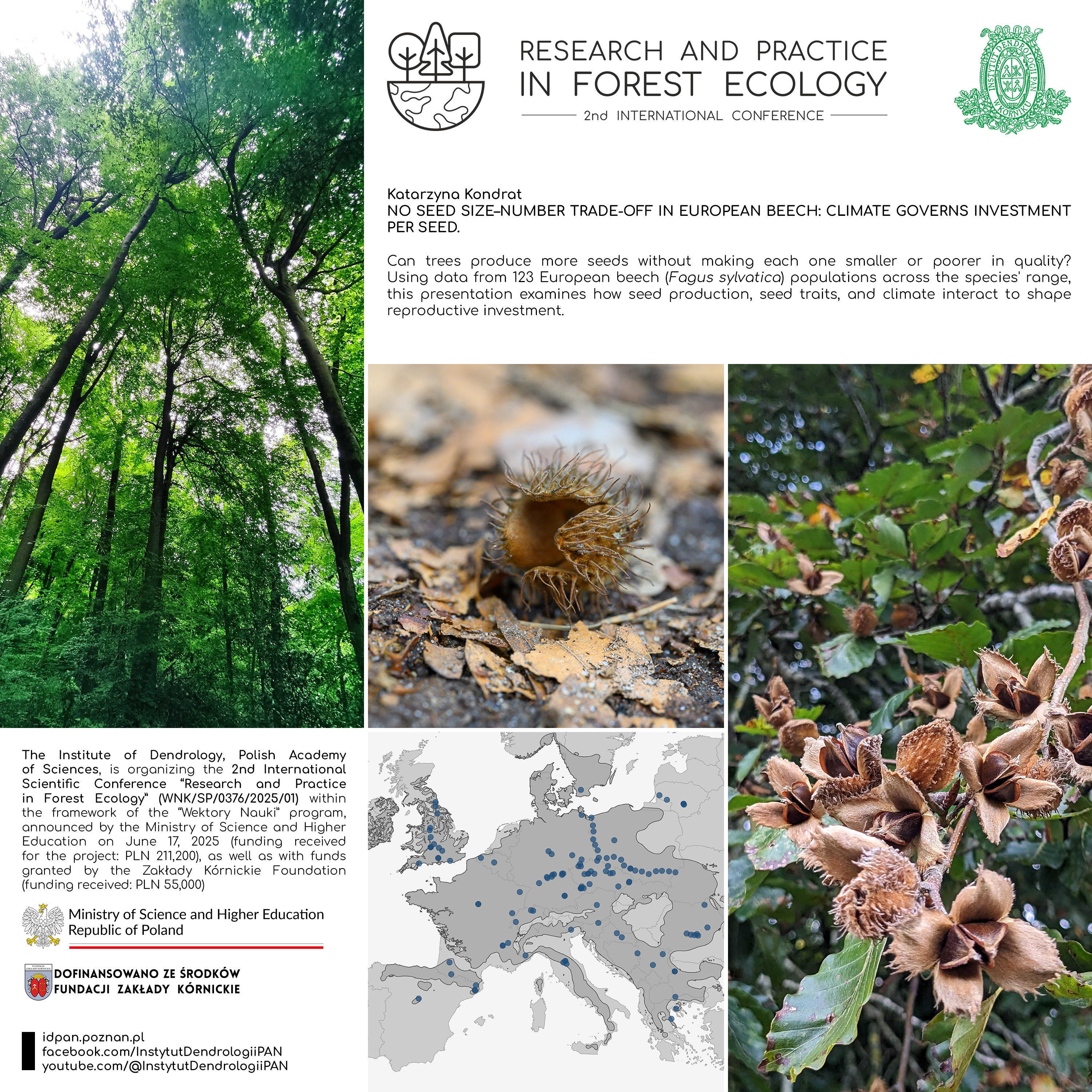
| Katarzyna Kondrat No seed size–number trade-off in European beech: climate governs investment per seed |
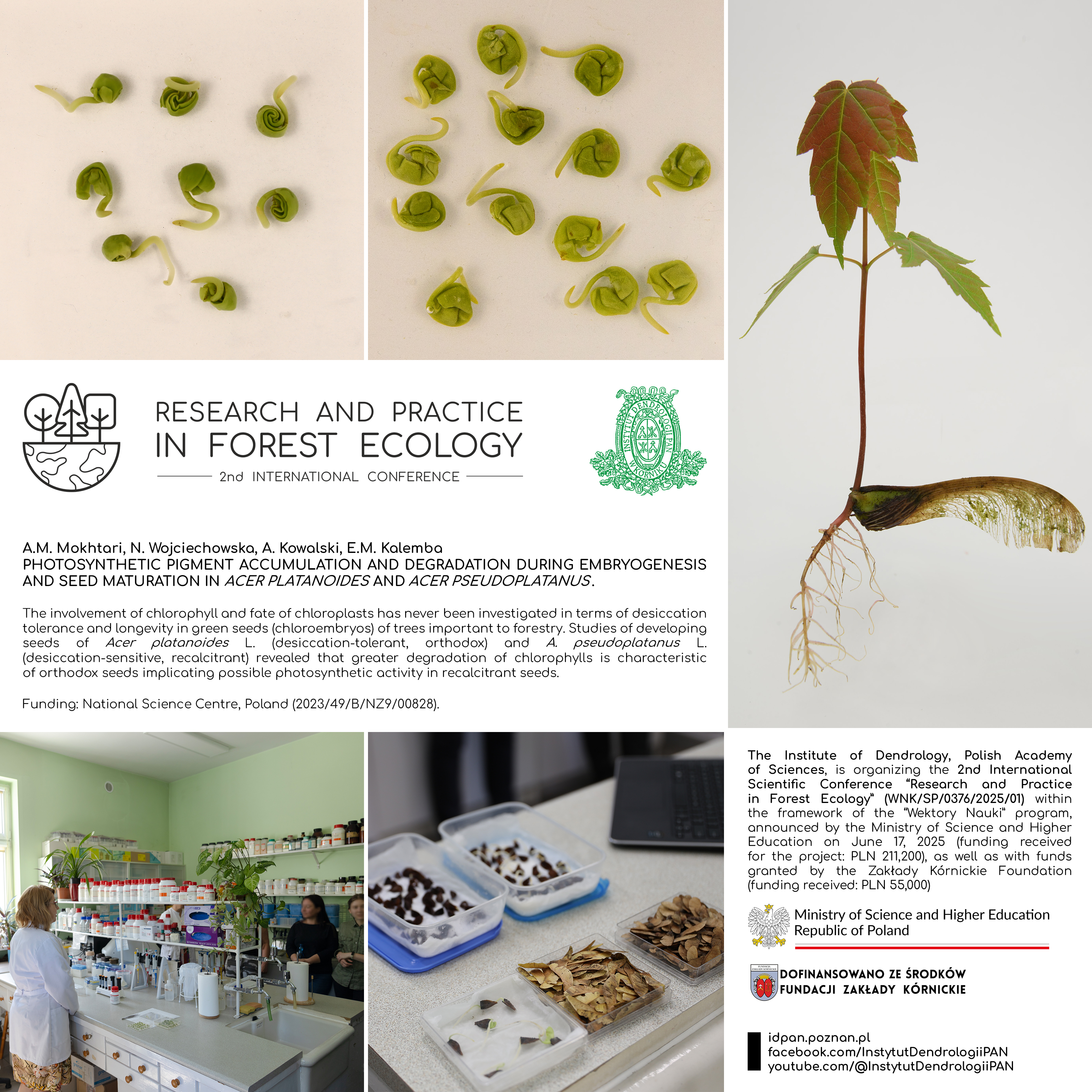
Amir M. Mokhtari Photosynthetic pigment accumulation and degradation during embryogenesis and seed maturation in Acer platanoides and Acer pseudoplatanus |
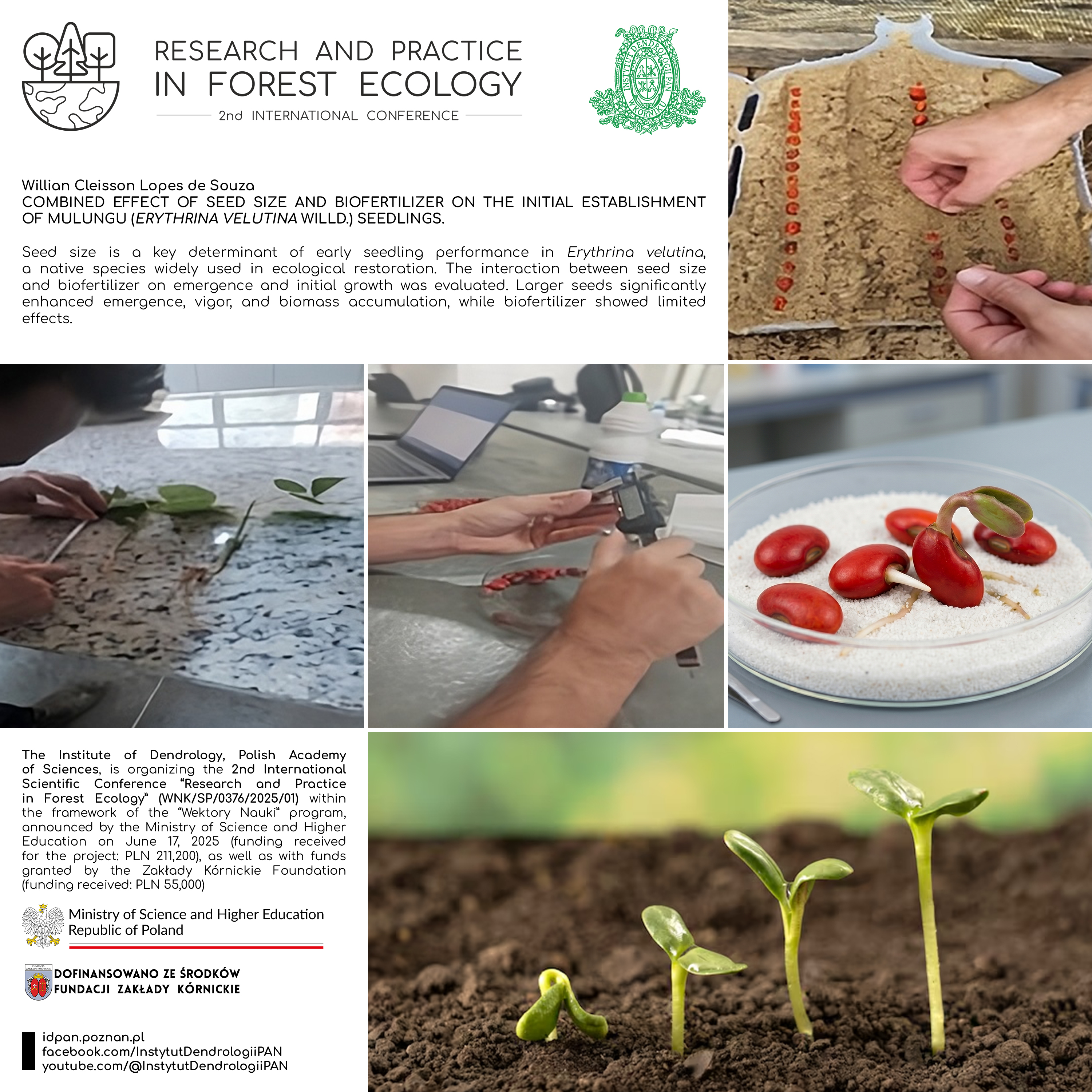
Willian C. L. Souza Combined effect of seed size and biofertilizer on the initial establishment of mulungu (Erythrina velutina Willd.) seedlings |
|
Sesion 2 – Conference Program |
||
![]() |
11 | 12 |
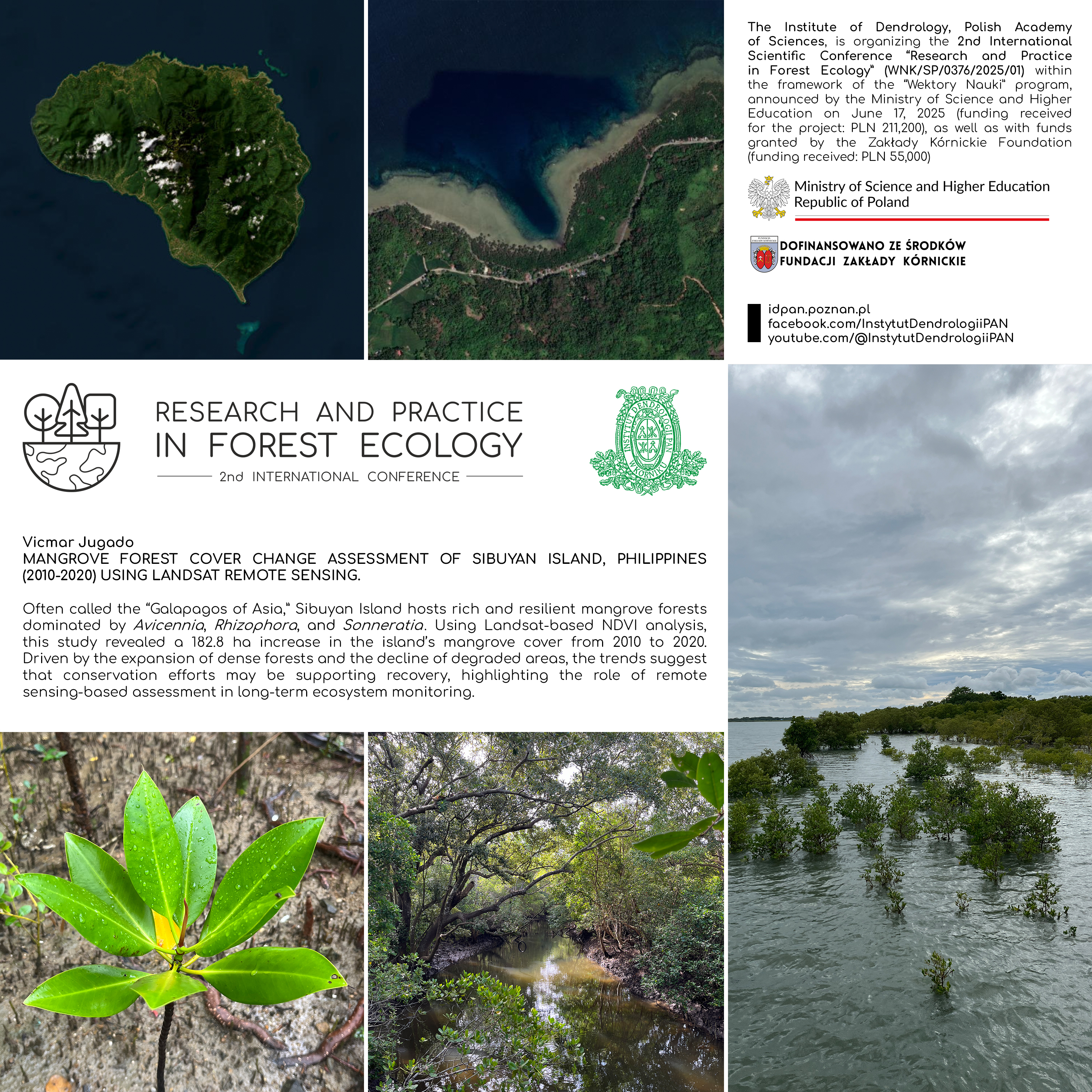
| Vicmar F. Jugado Mangrove forest cover change assessment of Sibuyan Island, Philippines (2010–2020) using Landsat remote sensing |
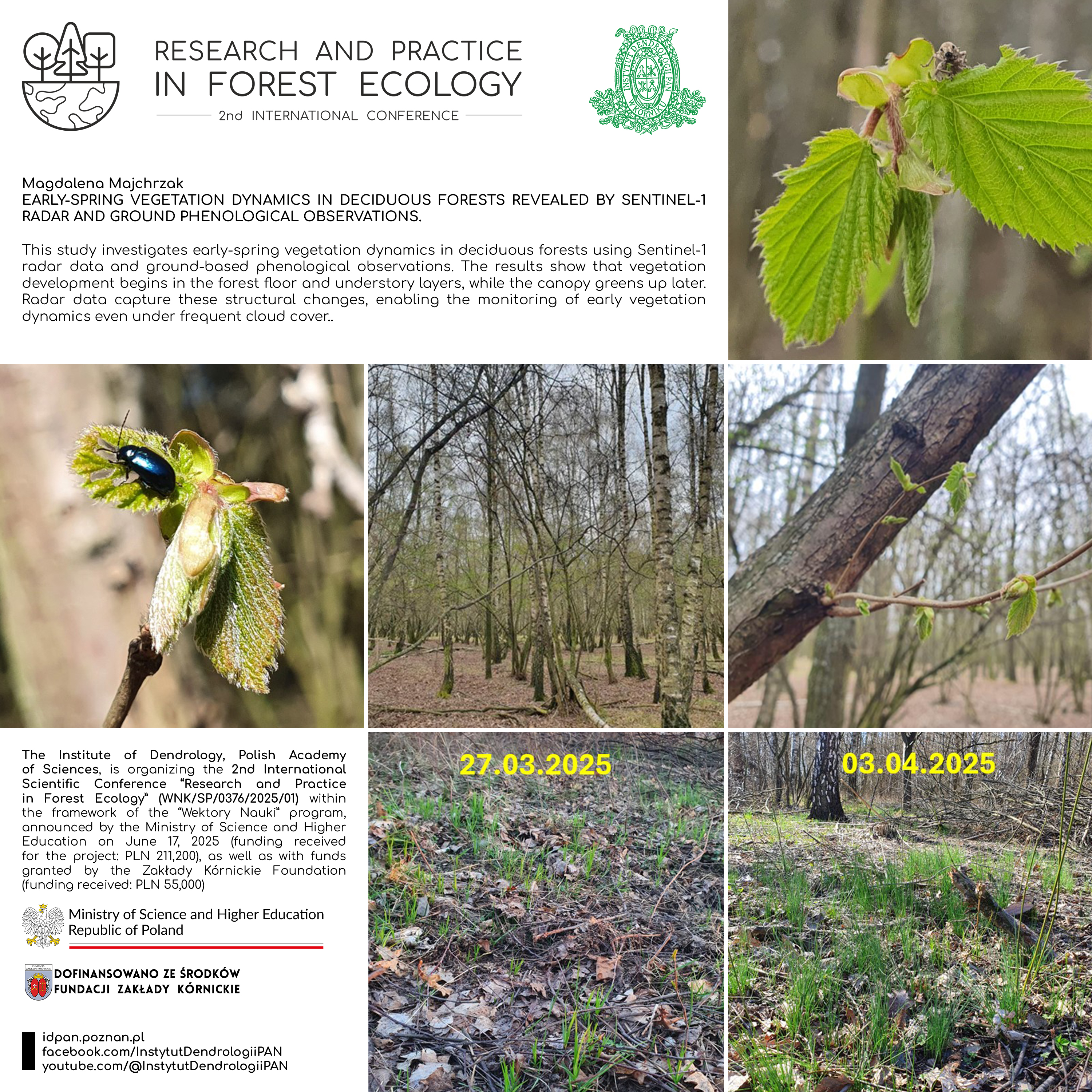
Magdalena Majchrzak Early-spring vegetation dynamics in deciduous forests revealed by Sentinel-1 radar and ground phenological observations |
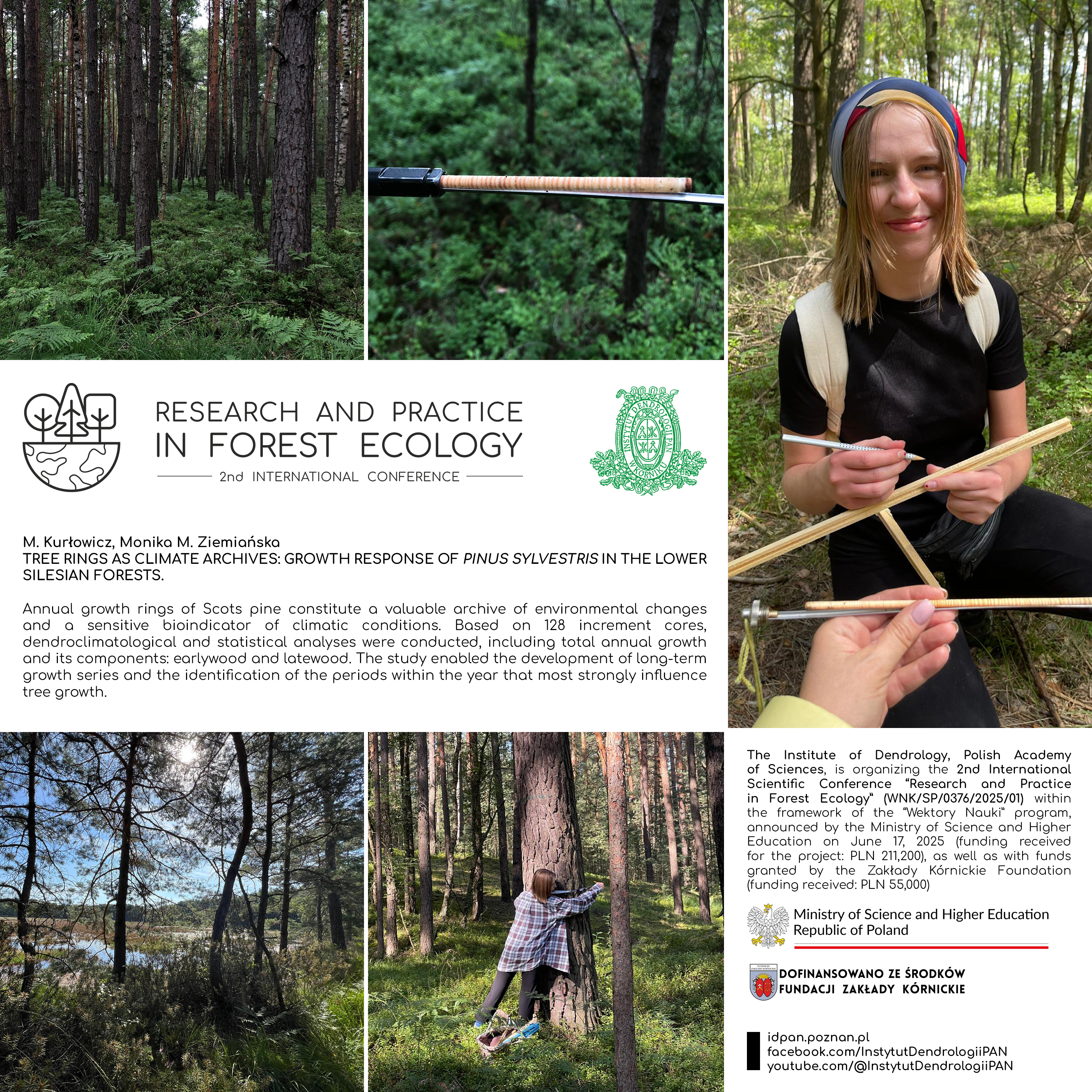
Magdalena Kurłowicz Tree rings as climate archives: Growth response of Pinus sylvestris in the Lower Silesian Forests |
| 10 | 11 | 12 |
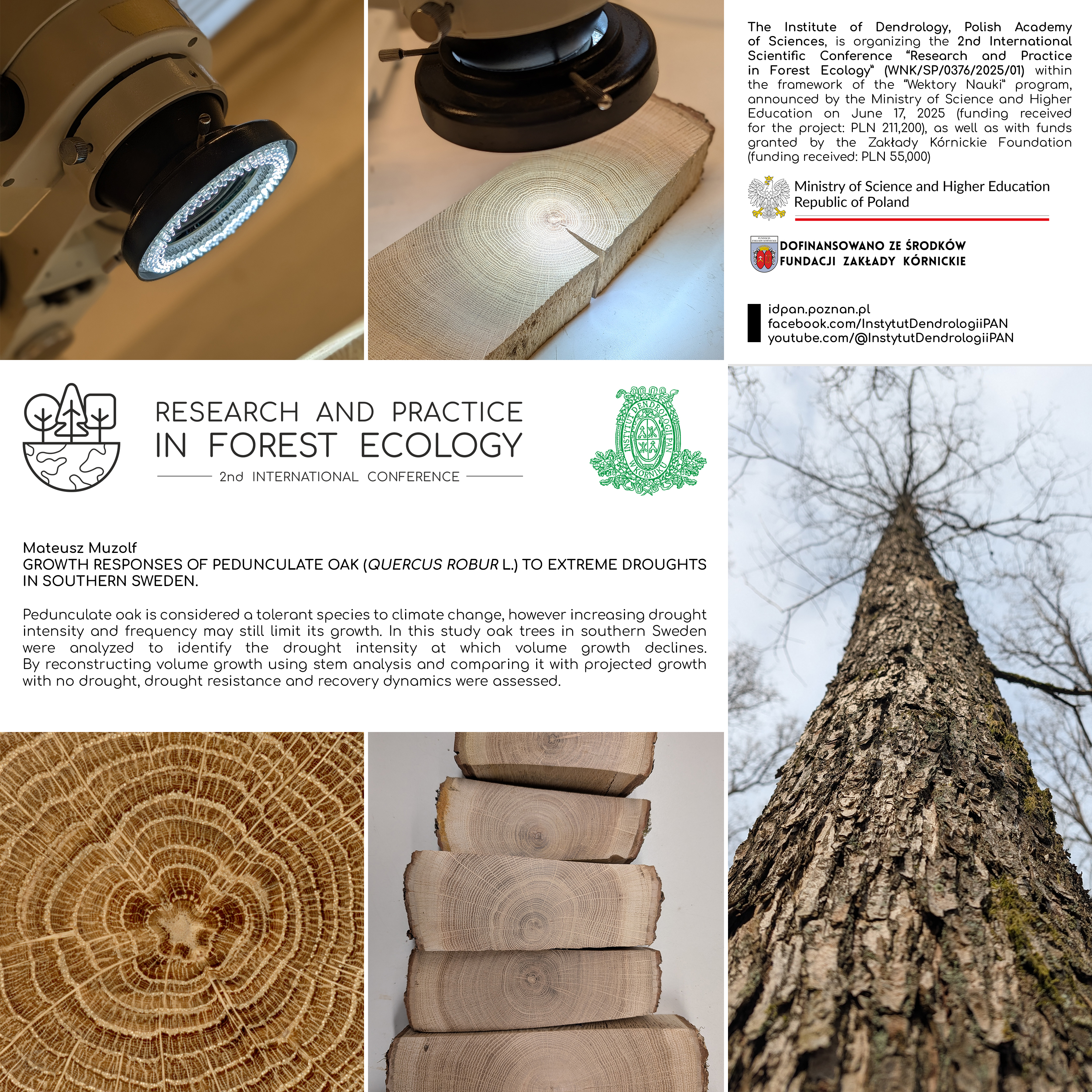
| Mateusz Muzolf Growth responses of pedunculate oak (Quercus robur L.) to extreme droughts in southern Sweden |
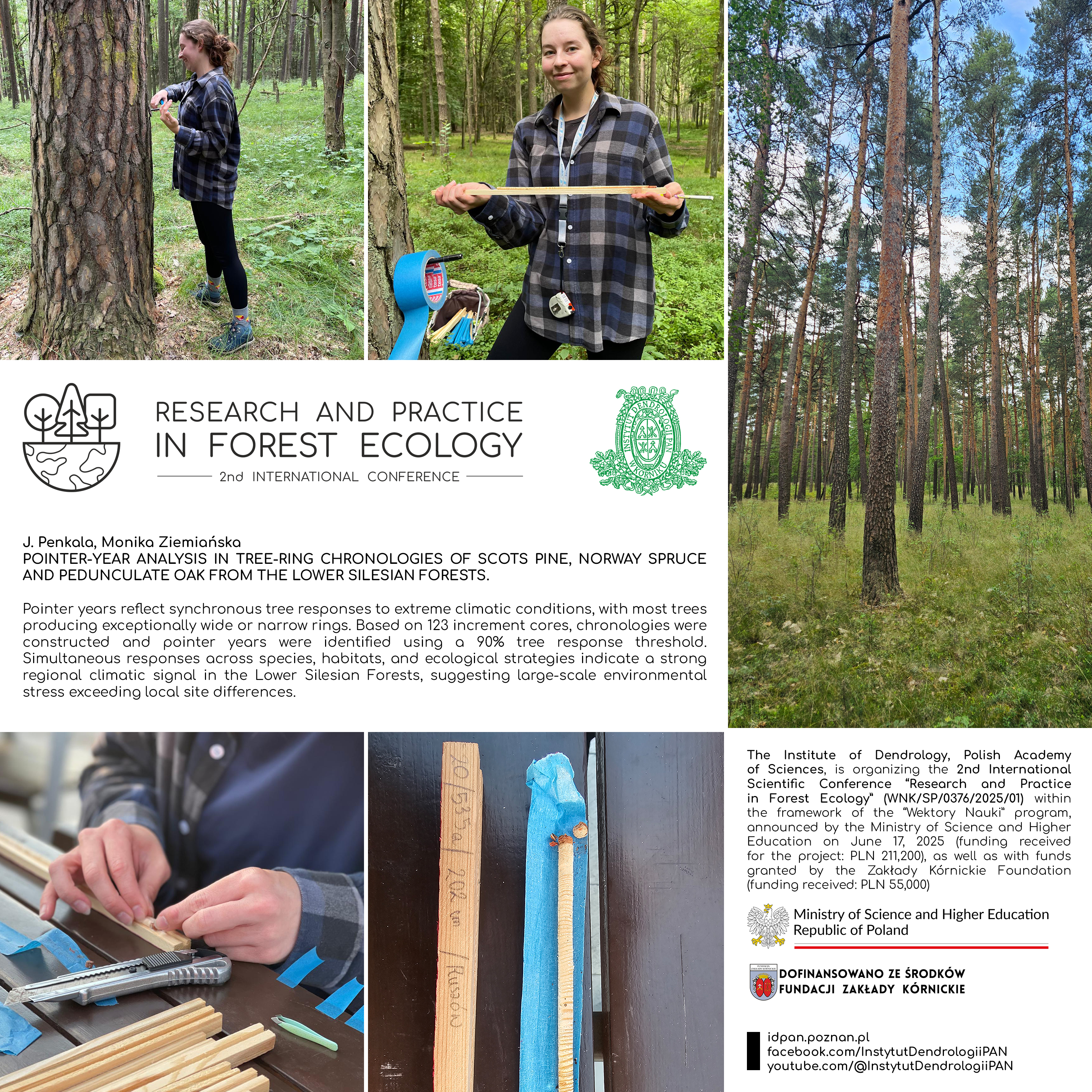
Jagoda Penkala Pointer-year analysis in tree-ring chronologies of Scots pine, Norway spruce and pedunculate oak from the Lower Silesian Forests |
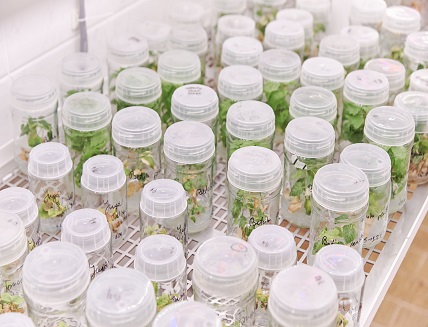
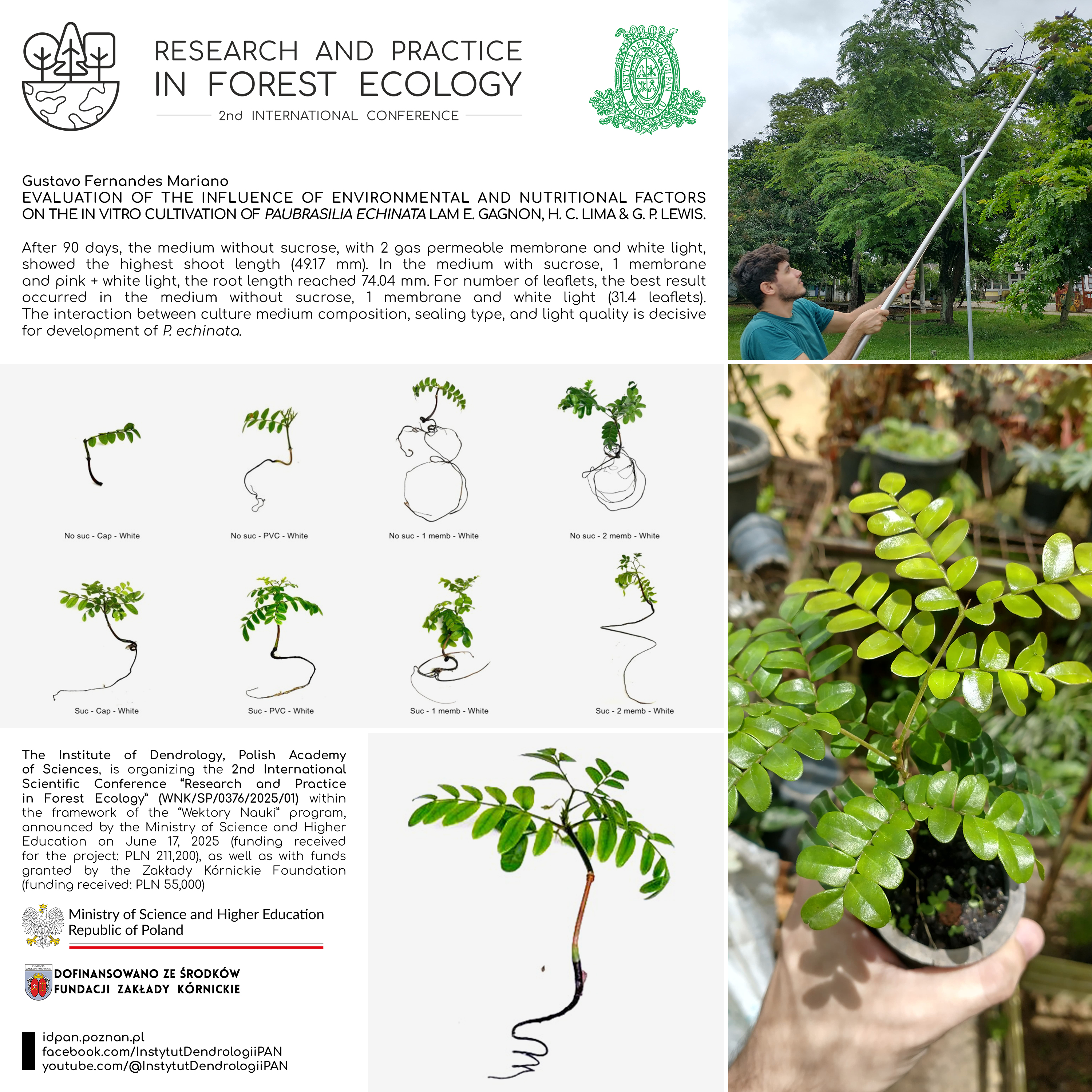
Gustavo F. Mariano Evaluation of the influence of environmental and nutritional factors on the in vitro cultivation of Paubrasilia echinate (Lam.) Gagnon, H.C.Lima & G.P.Lewis |
![]() |
11 | 12 |
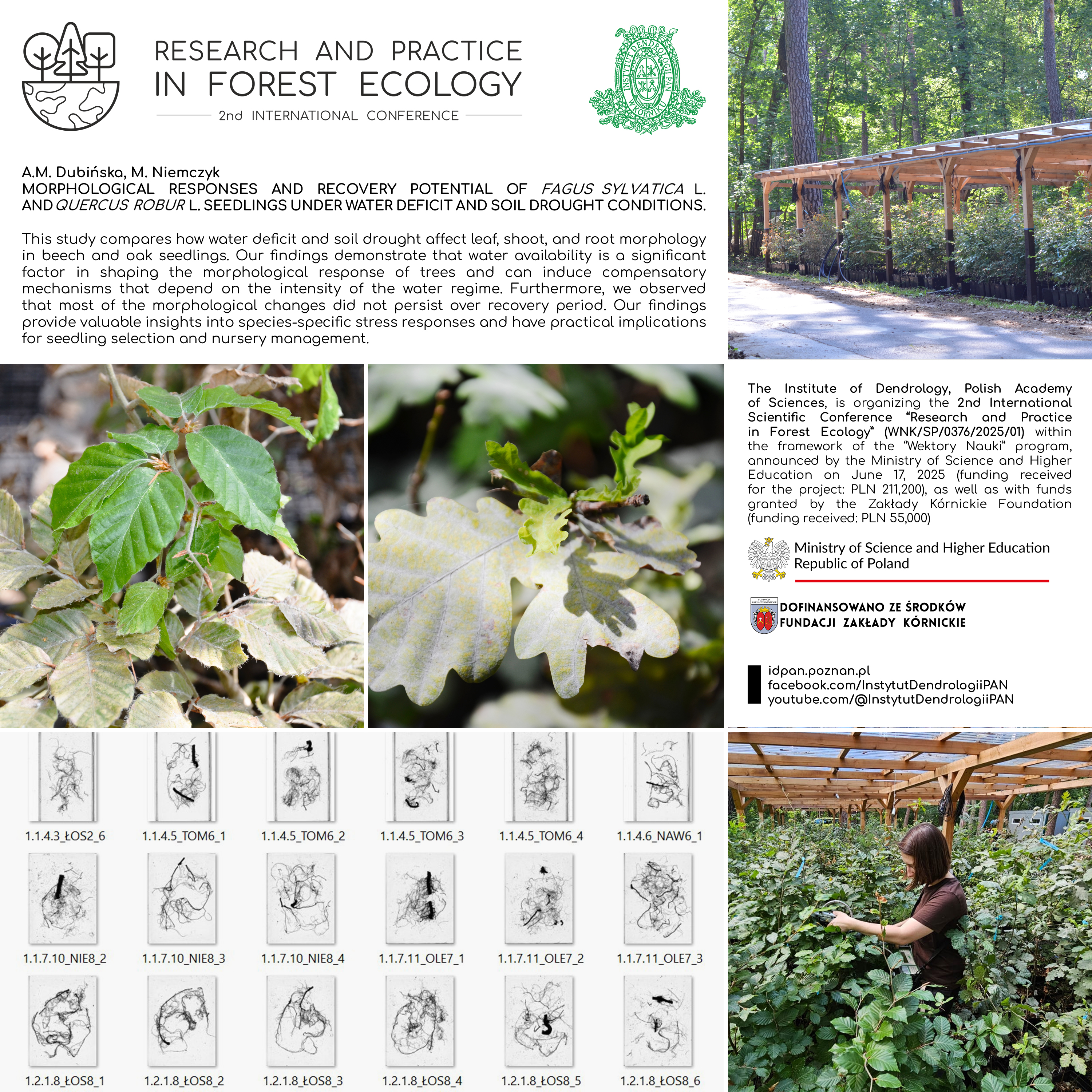
| Antonina M. Dubińska Morphological responses and recovery potential of Fagus sylvatica L. and Quercus robur L. seedlings under water deficit and soil drought conditions |
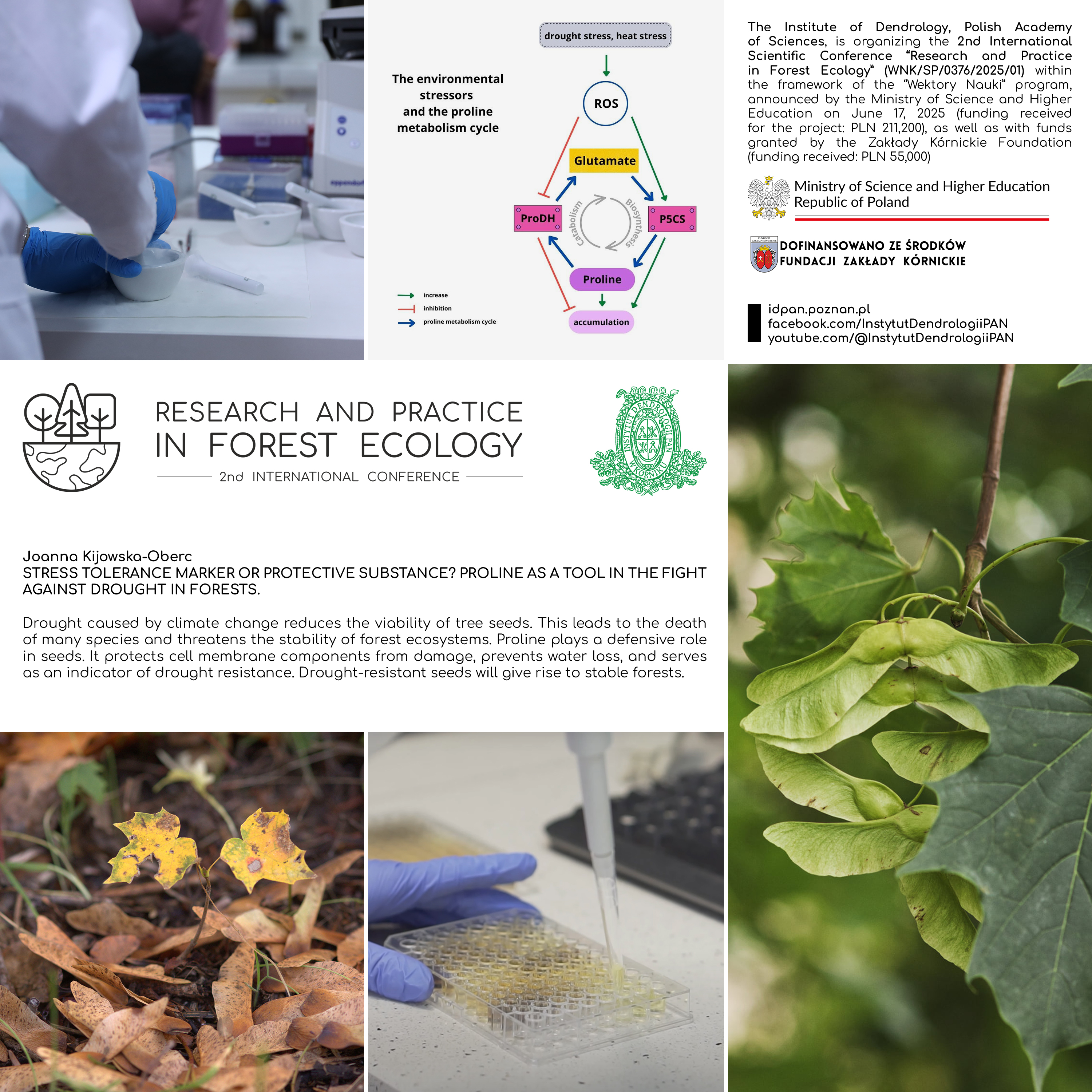
Joanna Kijowska-Oberc Stress tolerance marker or protective substance? Proline as a tool in the fight against drought in forests |
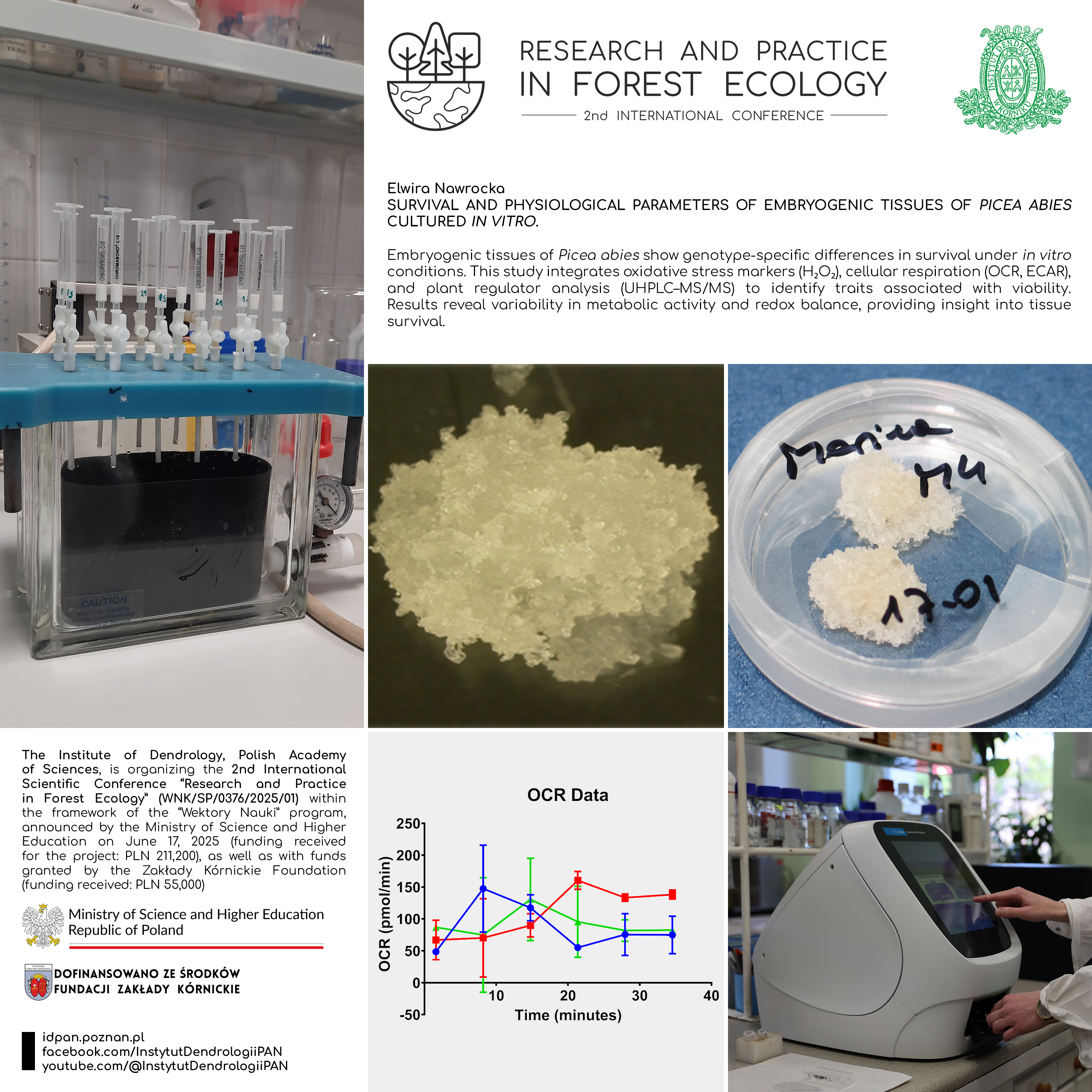
Elwira Nawrocka Survival and physiological parameters of embryogenic tissues of Picea abies cultured in vitro |
| 10 | ||
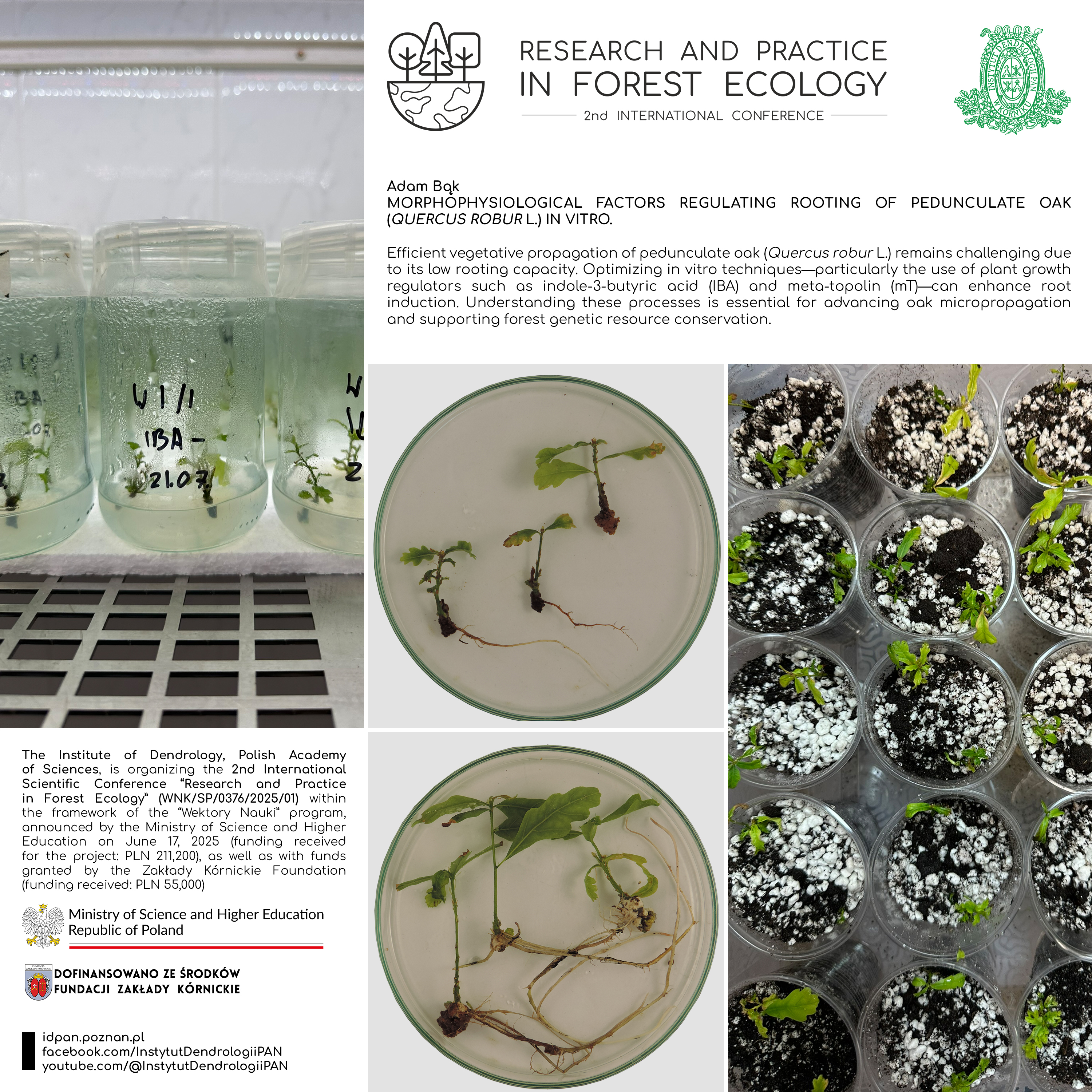
| Adam Bąk Morphophysiological factors regulating rooting of pedunculate oak (Quercus robur L.) in vitro |
||
| Sesion 3 – Conference Program | ||
| Shiekh M. Haq Non-native forests enhance carbon storage at the cost of ecological integrity |
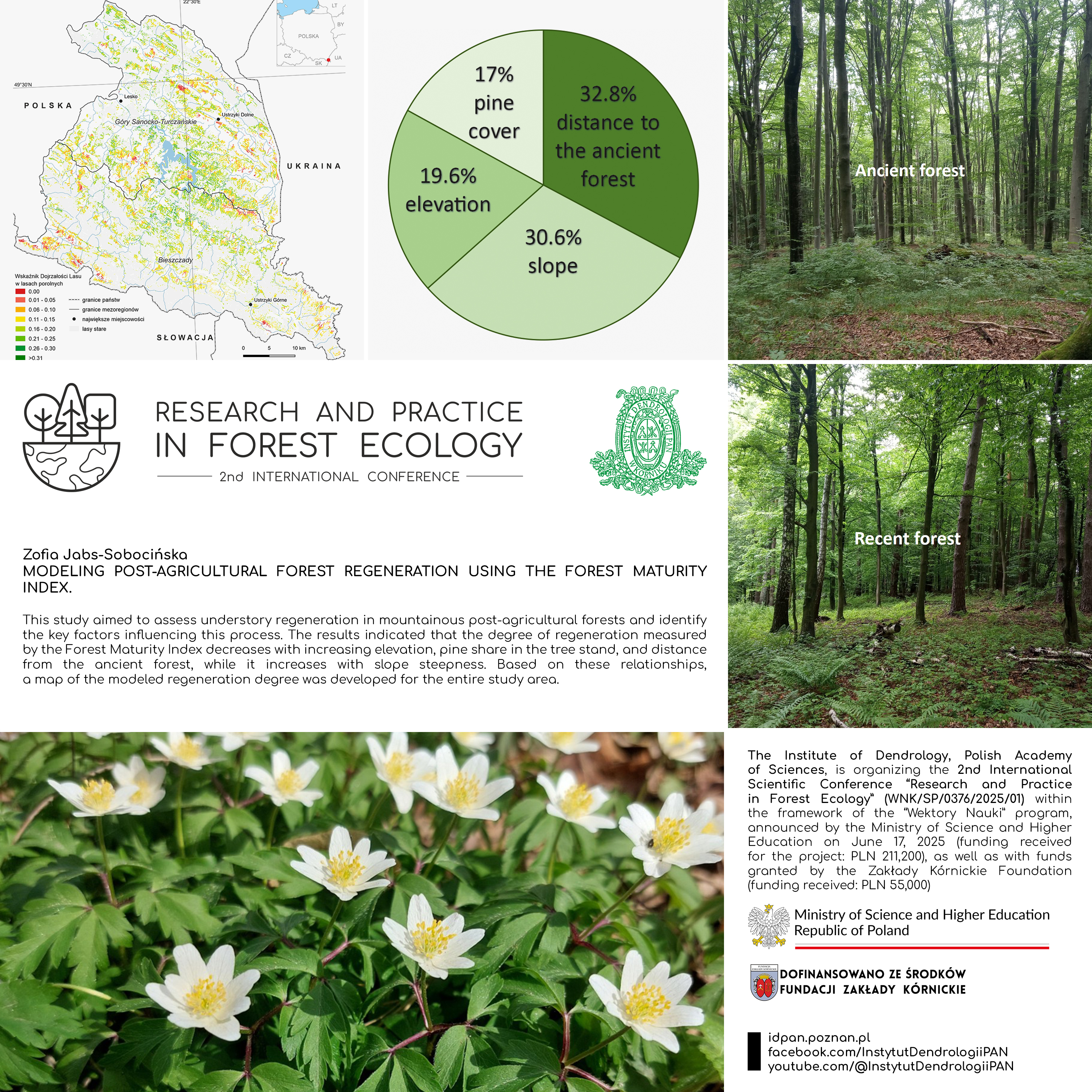
Zofia Jabs-Sobocińska Modeling post-agricultural forest regeneration using the forest maturity index |
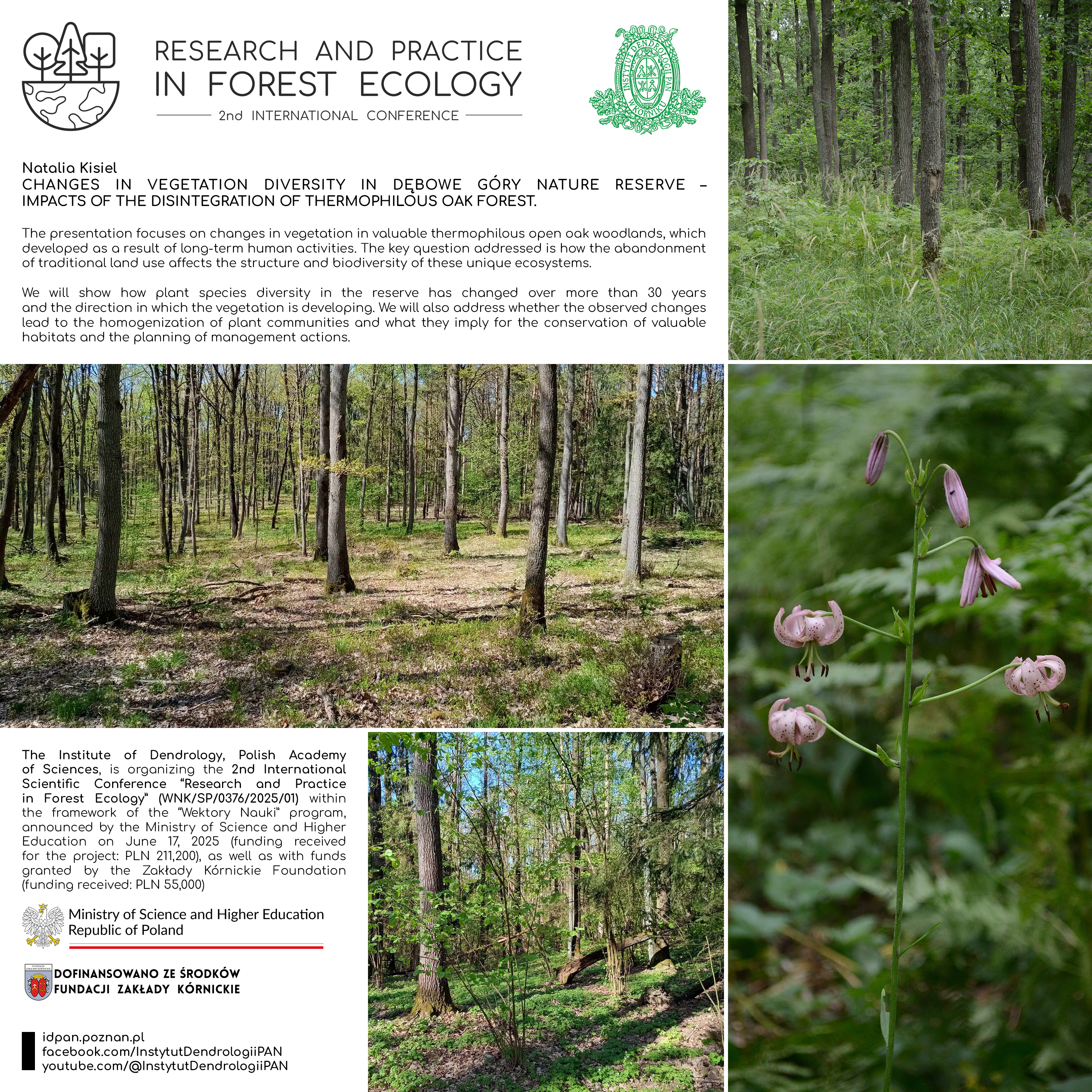
Natalia Kisiel Changes in vegetation diversity in Dębowe Góry Nature Reserve – Impacts of the disintegration of thermophilous oak forest |
| 10 | 11 | 12 |
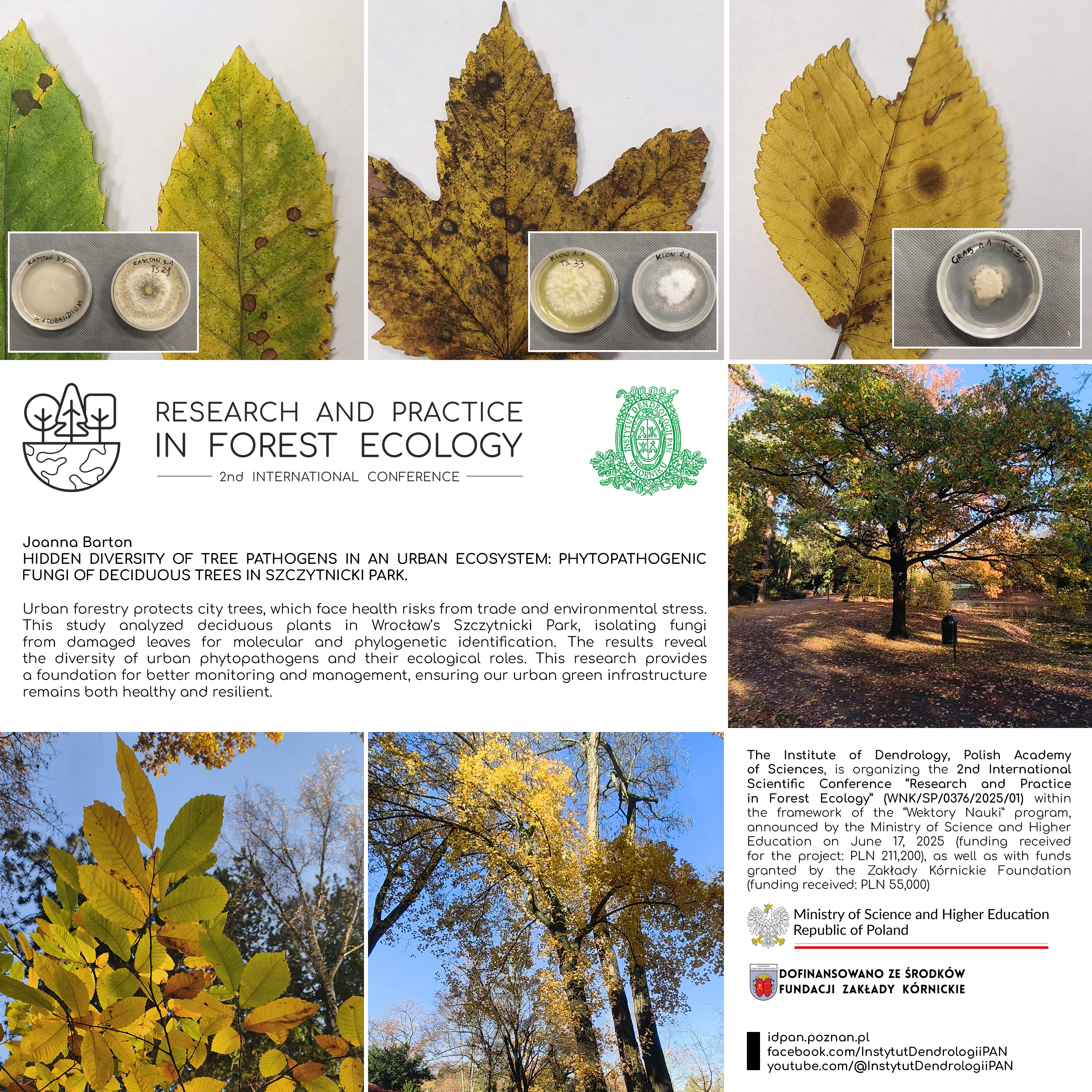
| Joanna B. Barton Hidden diversity of tree pathogens in an urban ecosystem: phytopathogenic fungi of deciduous trees in Szczytnicki Park |
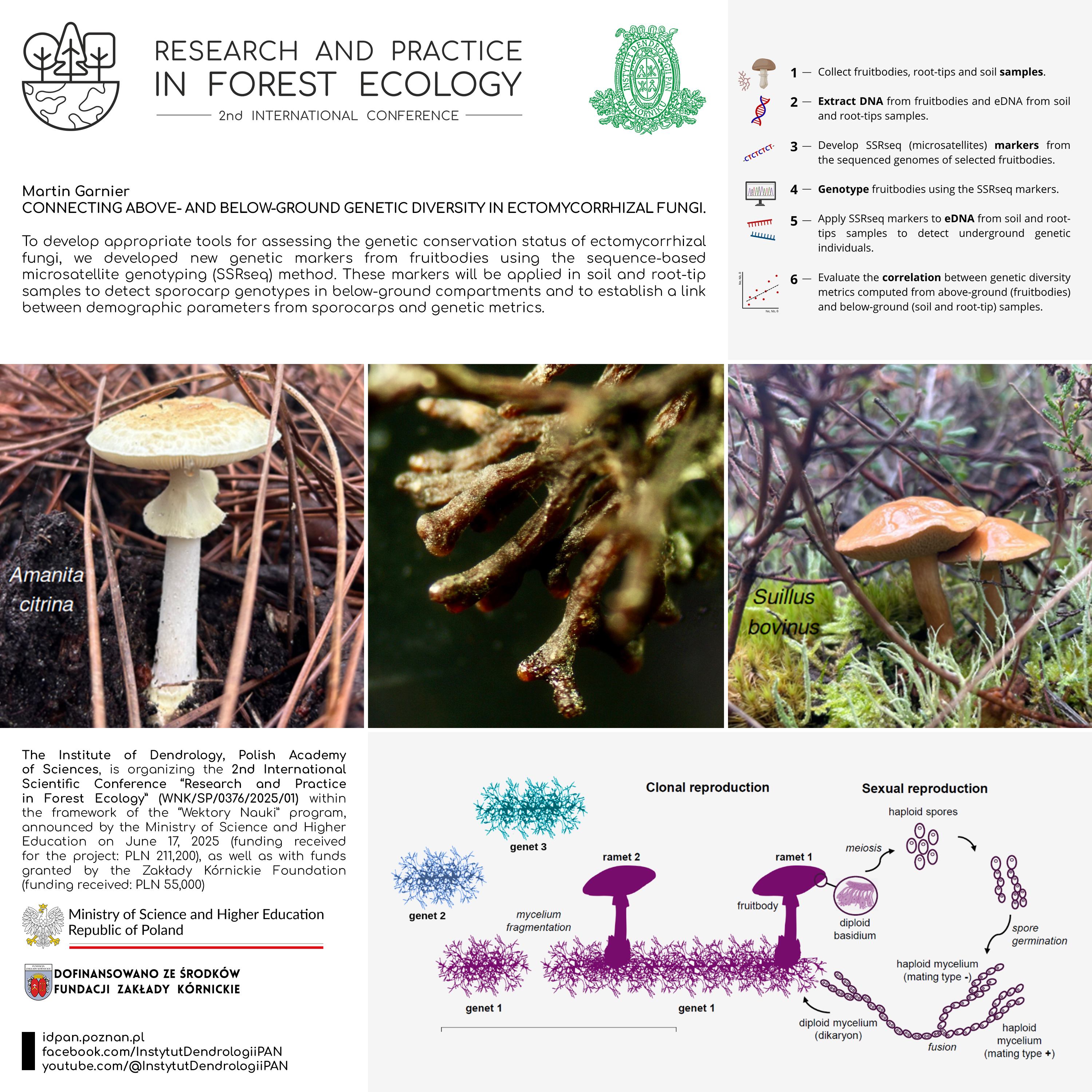
Martin Garnier Connecting above- and below-ground genetic diversity in ectomycorrhizal fungi |
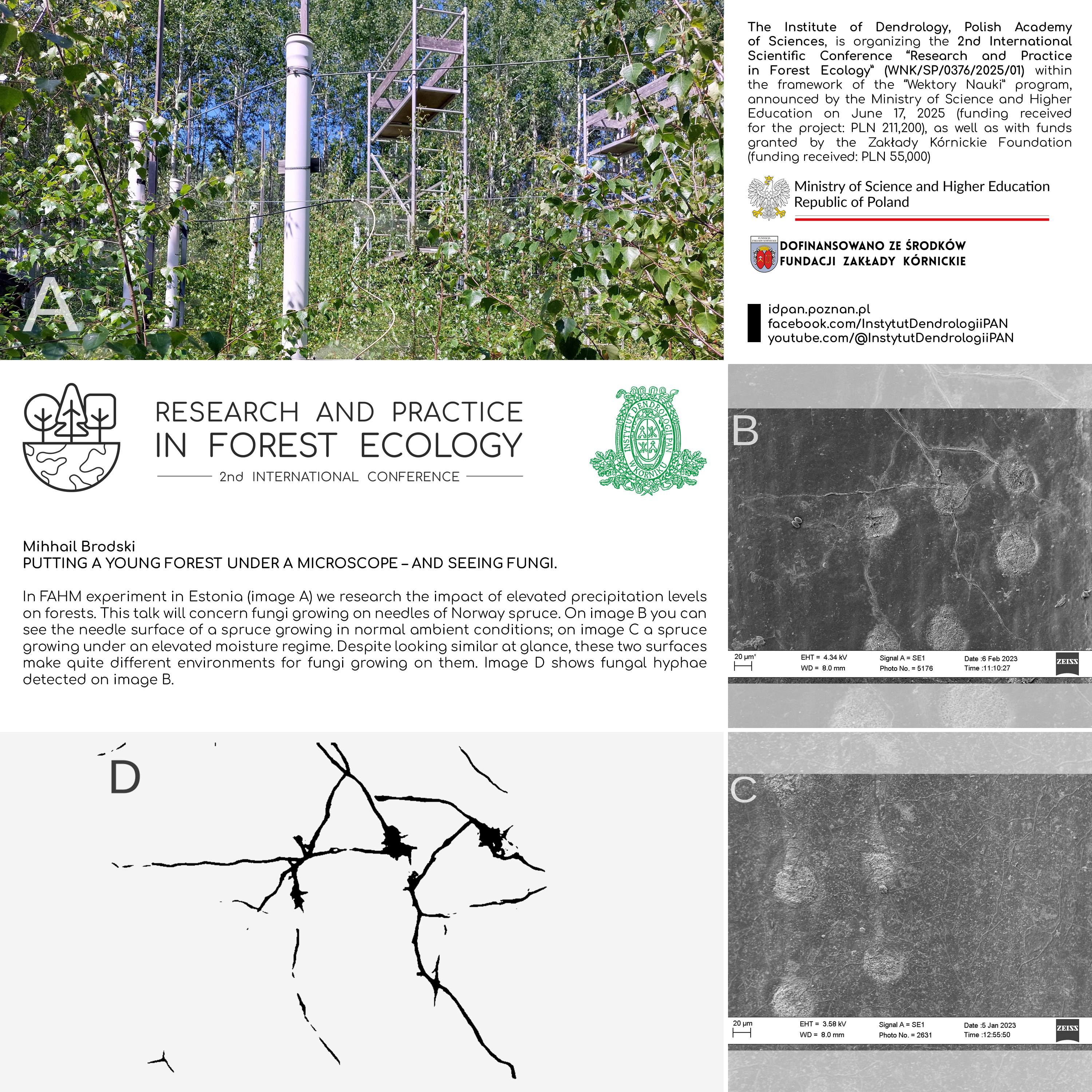
Mihhail Brodski Putting a young forest under a microscope – and seeing fungi |
| 10 | 11 | 12 |
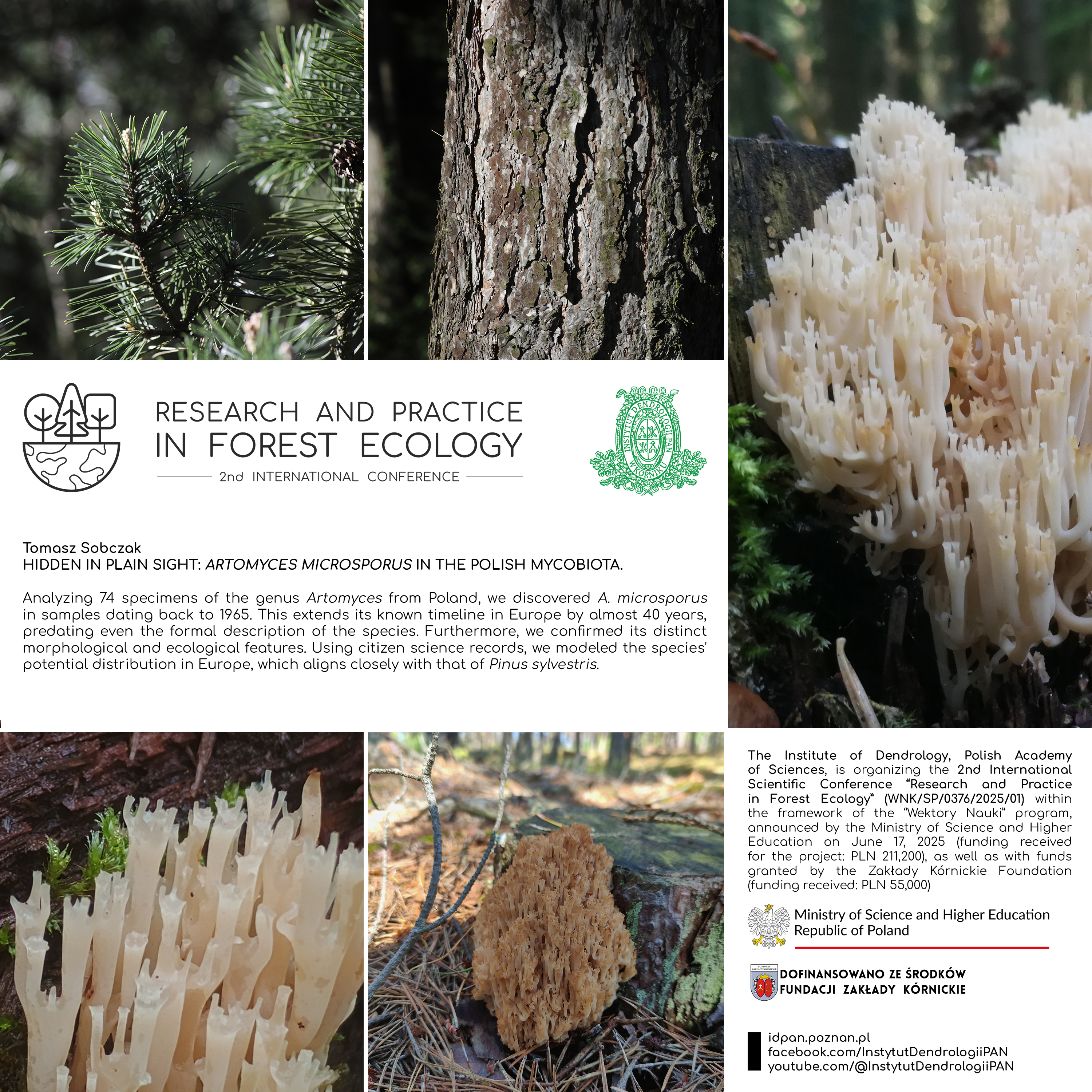
| Tomasz Sobczak Hidden in plain sight: Artomyces microsporus in the Polish mycobiota |
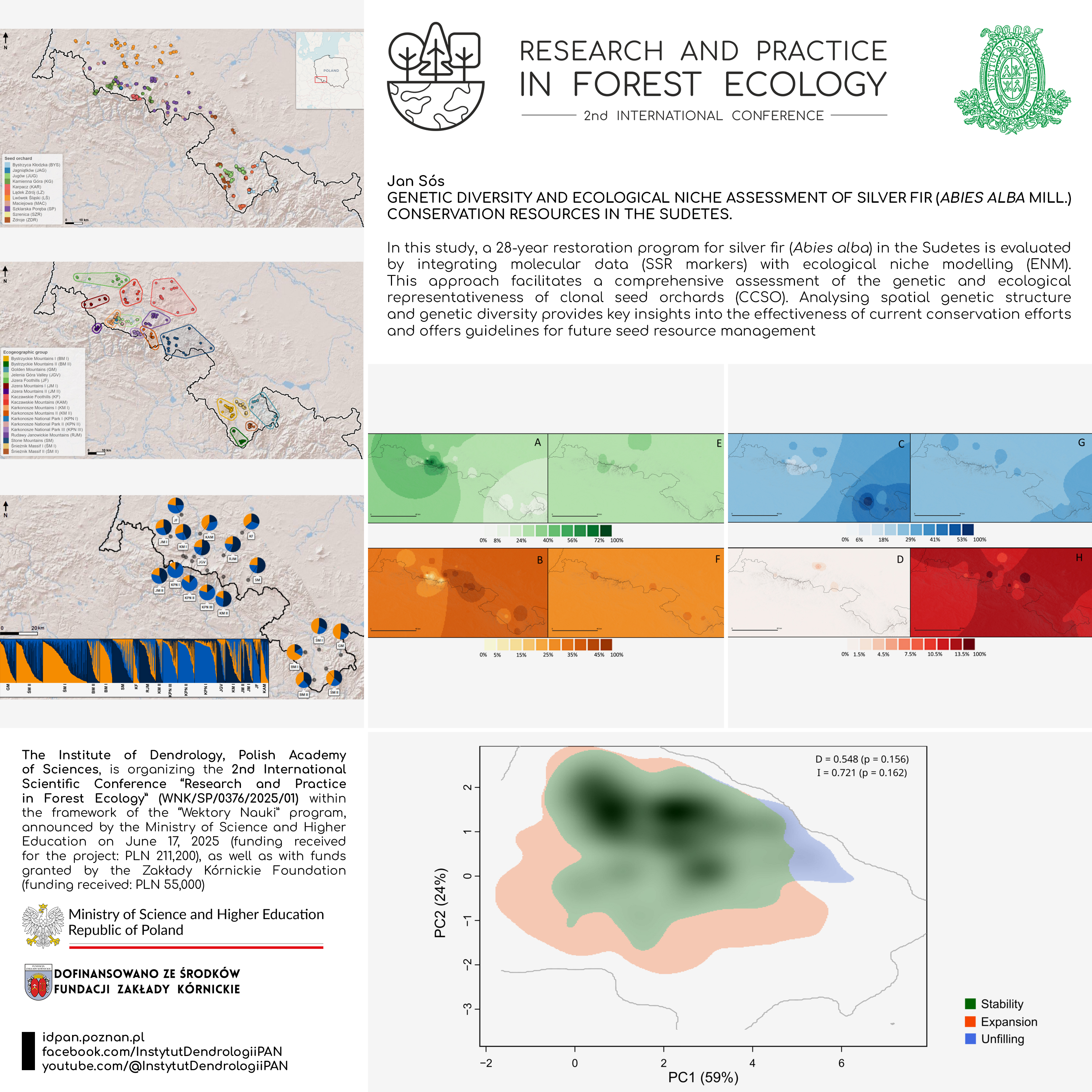
Jan Sós Genetic diversity and ecological niche assessment of silver fir (Abies alba Mill.) conservation resources in the Sudetes |
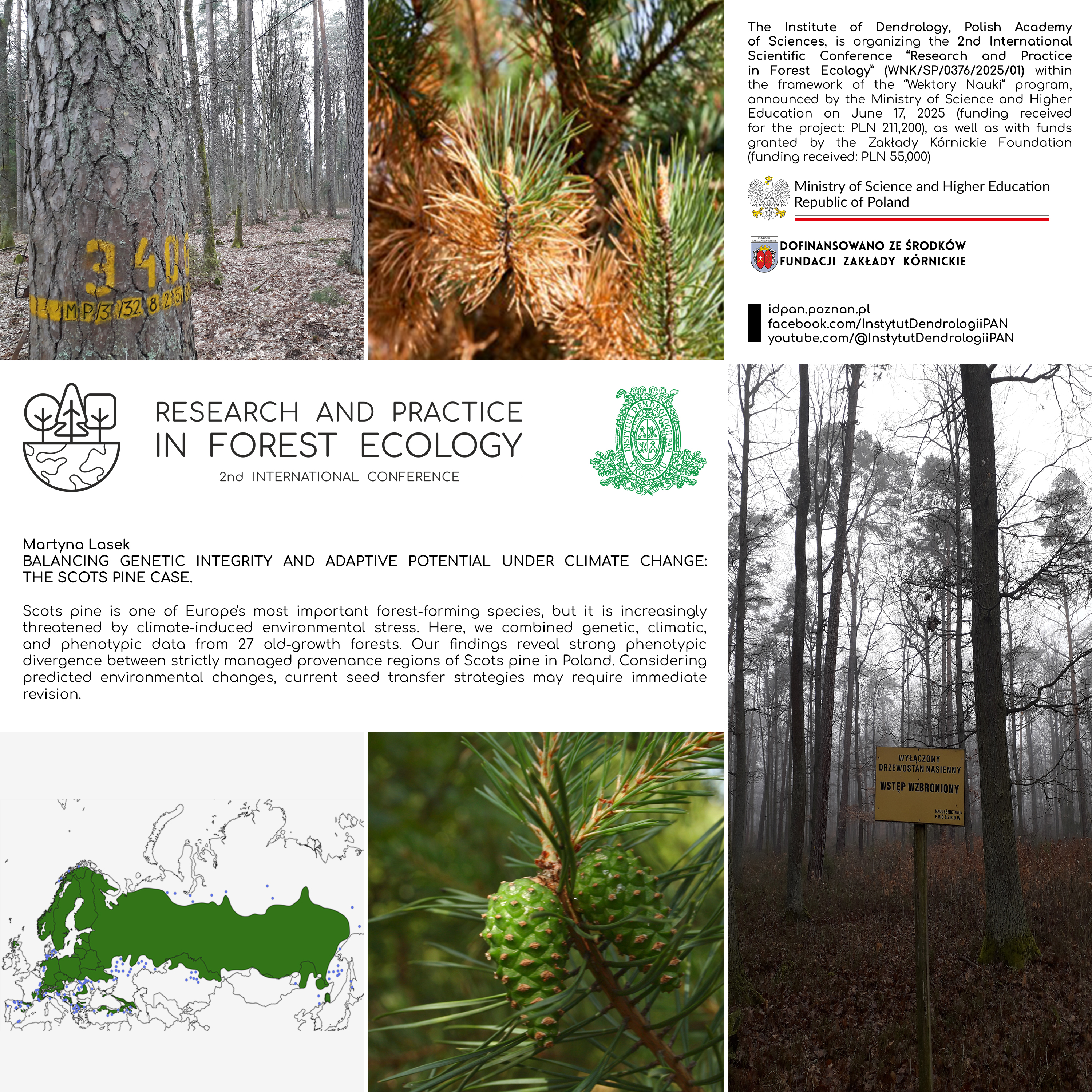
Martyna Lasek Balancing genetic integrity and adaptive potential under climate change: The Scots pine case |
| 10 | ||
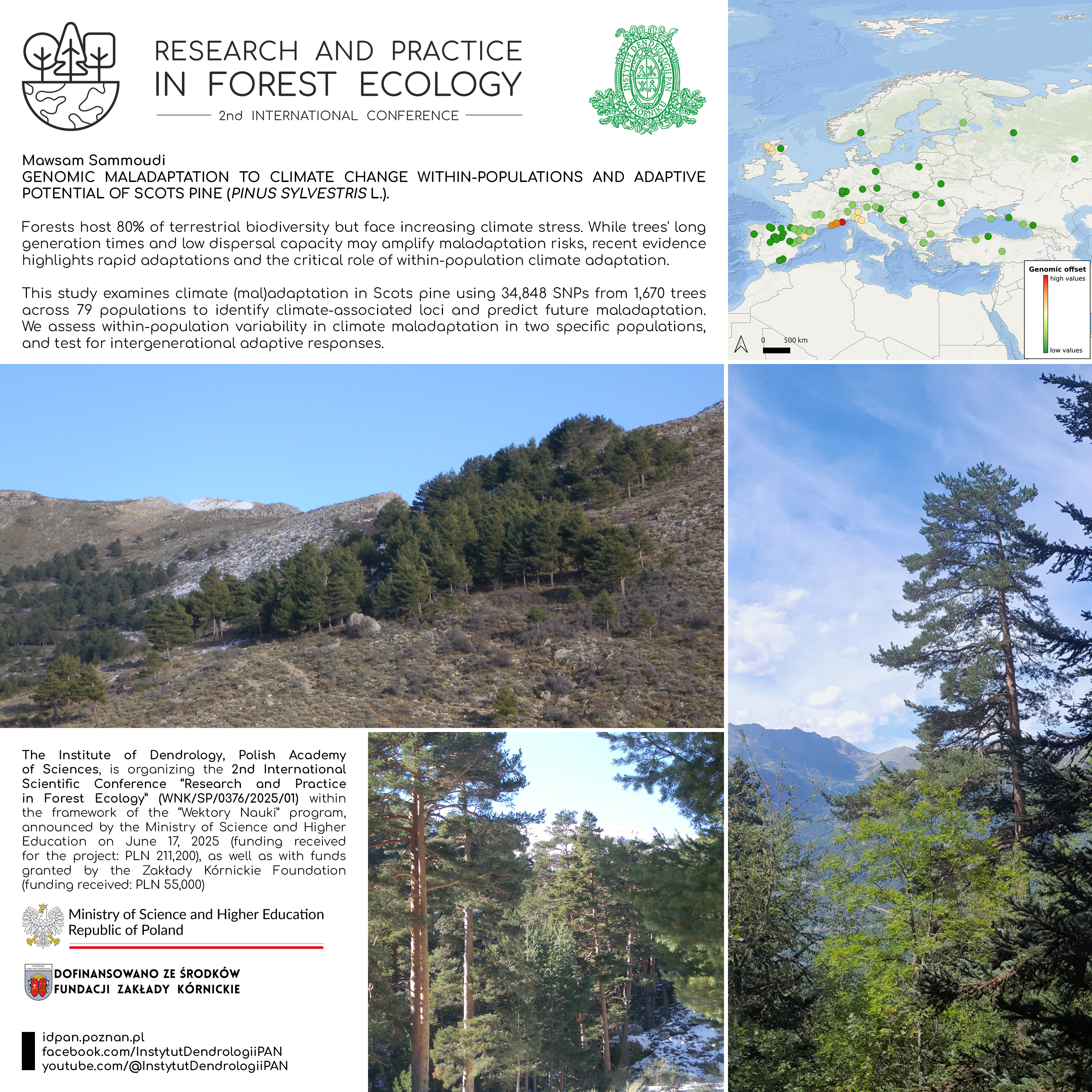
| Mawsam Sammoudi Genomic maladaptation to climate change within-populations and adaptive potential of Scots pine (Pinus sylvestris L.) |
||
| Sesion 4 – Conference Program | ||
| 10 | 11 | 12 |
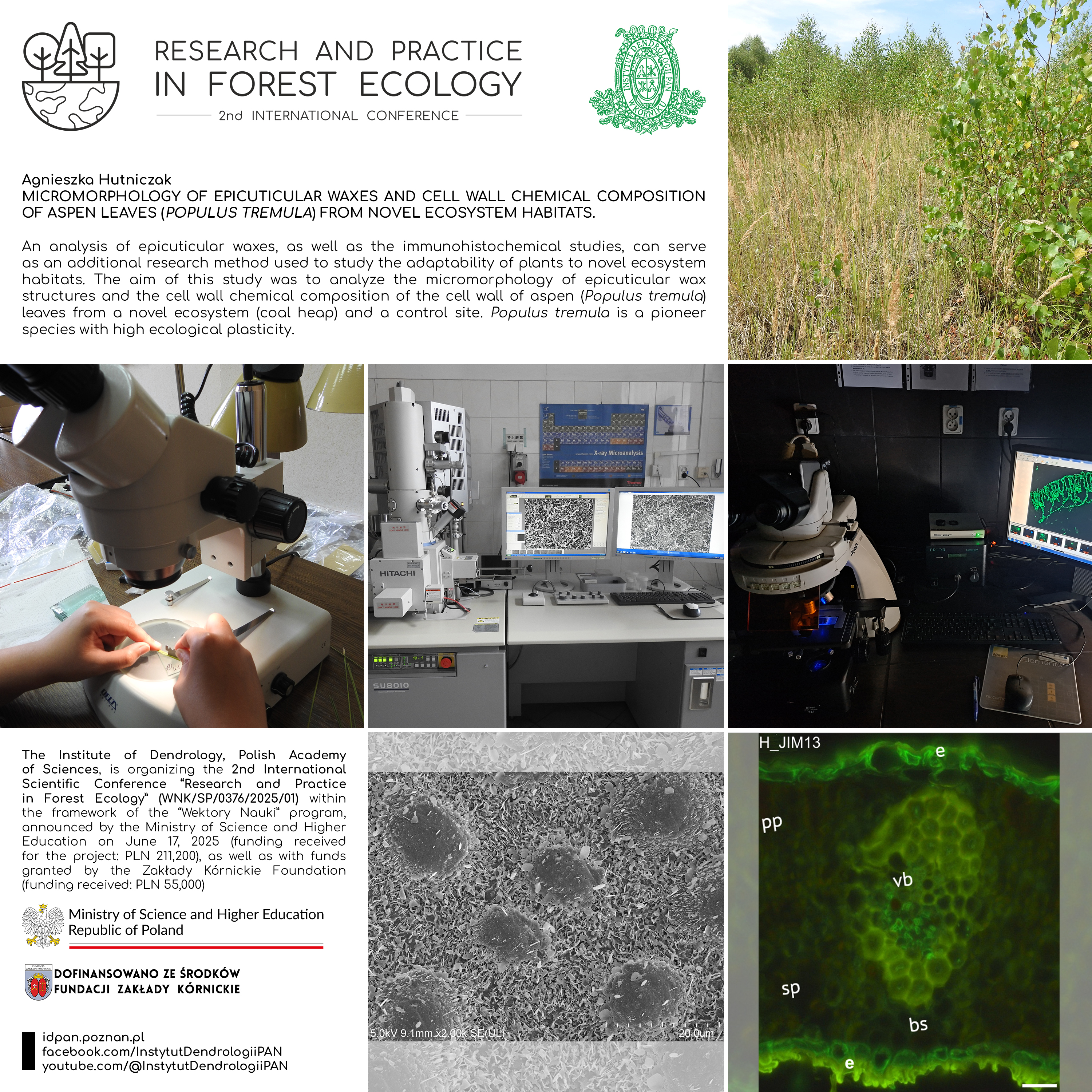
| Agnieszka Hutniczak Micromorphology of epicuticular waxes and cell wall chemical composition of aspen leaves (Populus tremula) from novel ecosystem habitats |
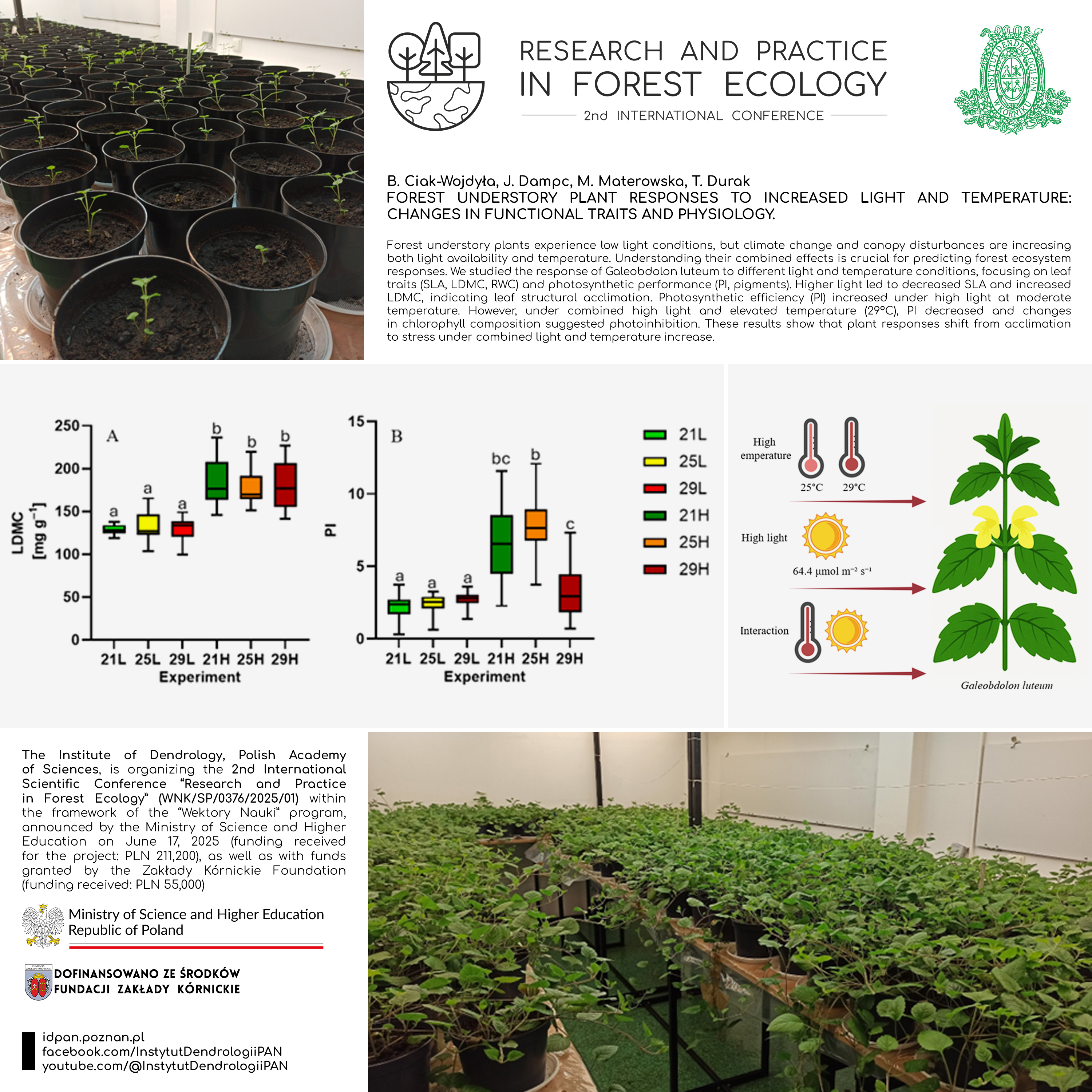
Beata Ciak-Wojdyła Forest understory plant responses to increased light and temperature: changes in functional traits and physiology |
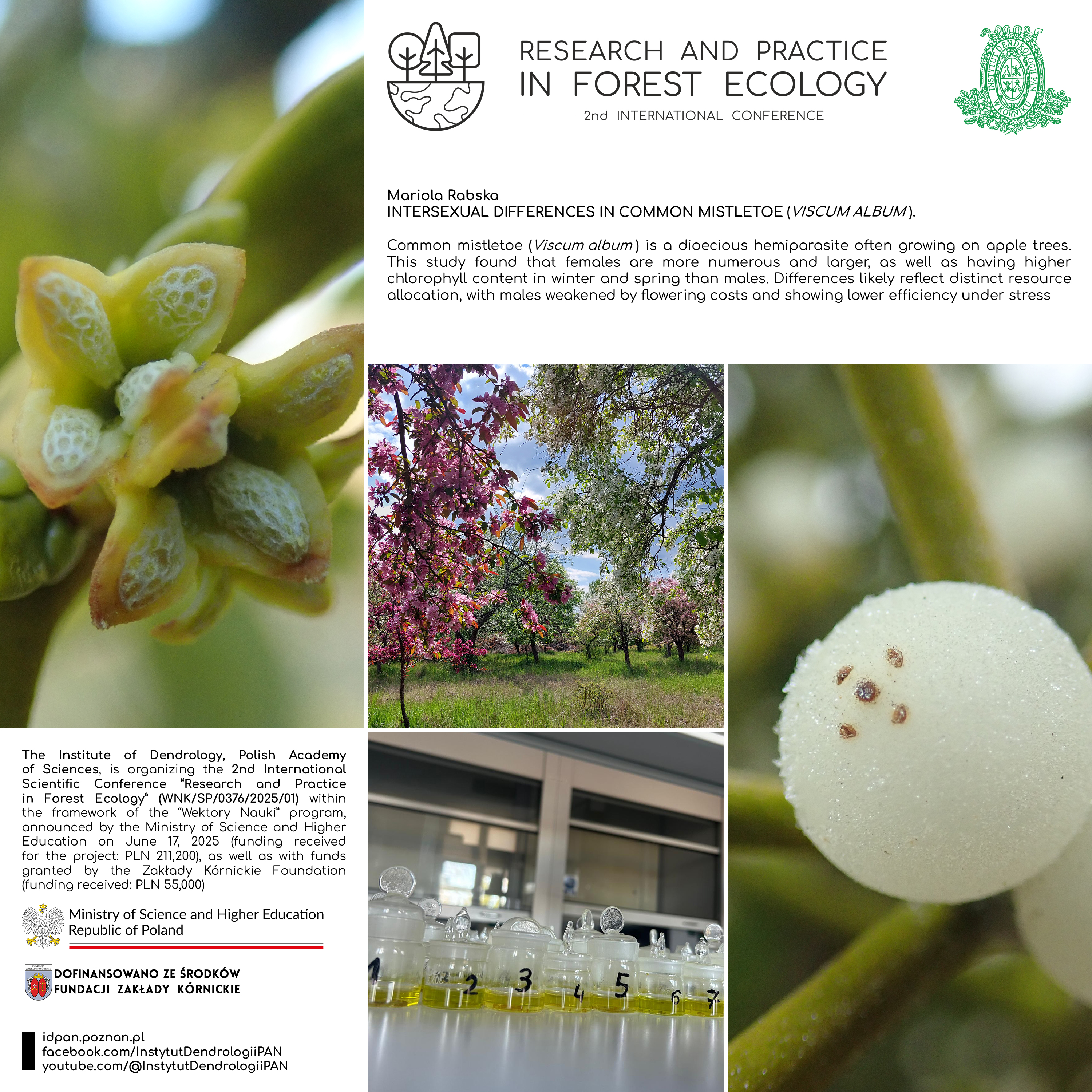
Mariola Rabska |
| 10 | 11 | 12 |
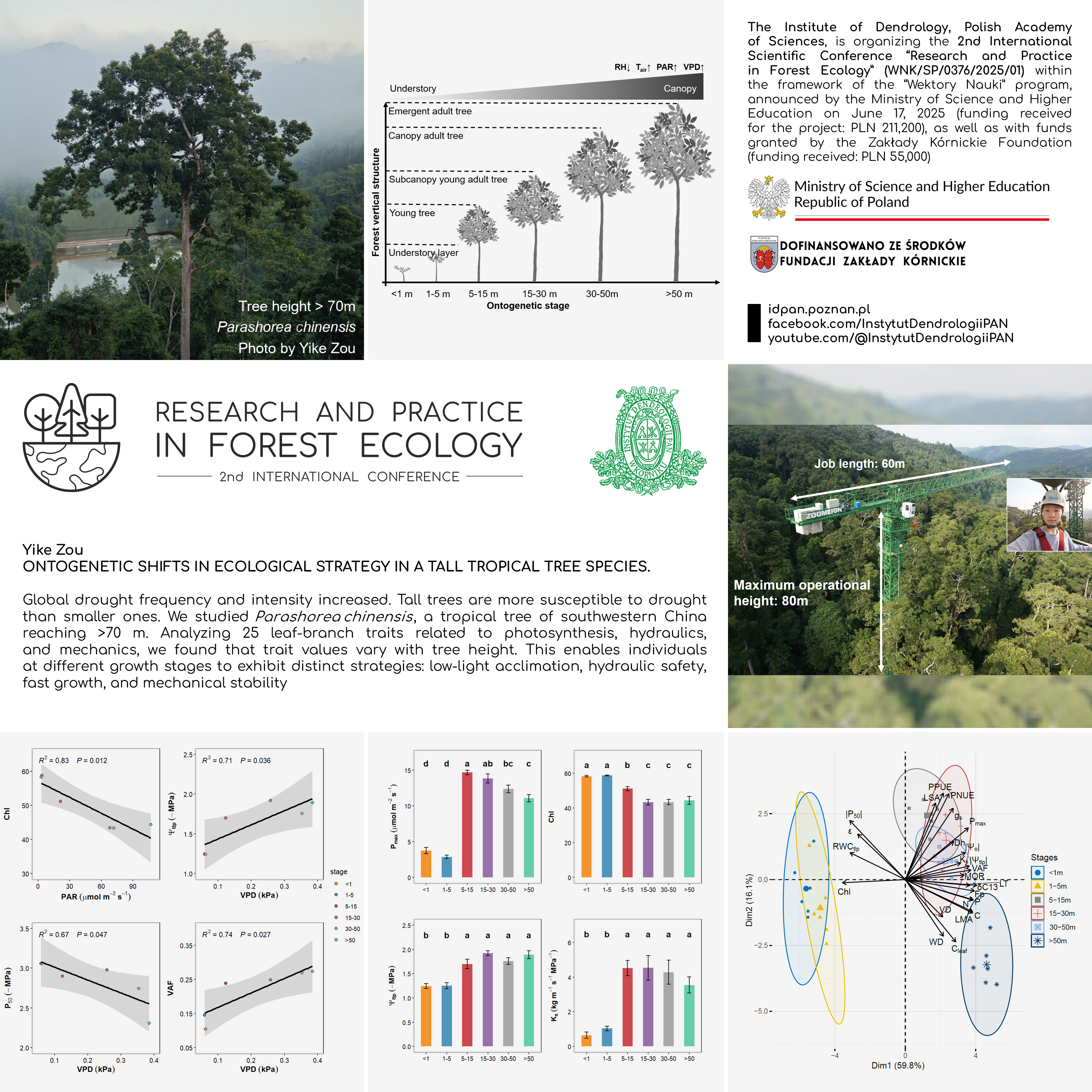
| Yike Zou Ontogenetic shifts in ecological strategy in a tall tropical tree species |
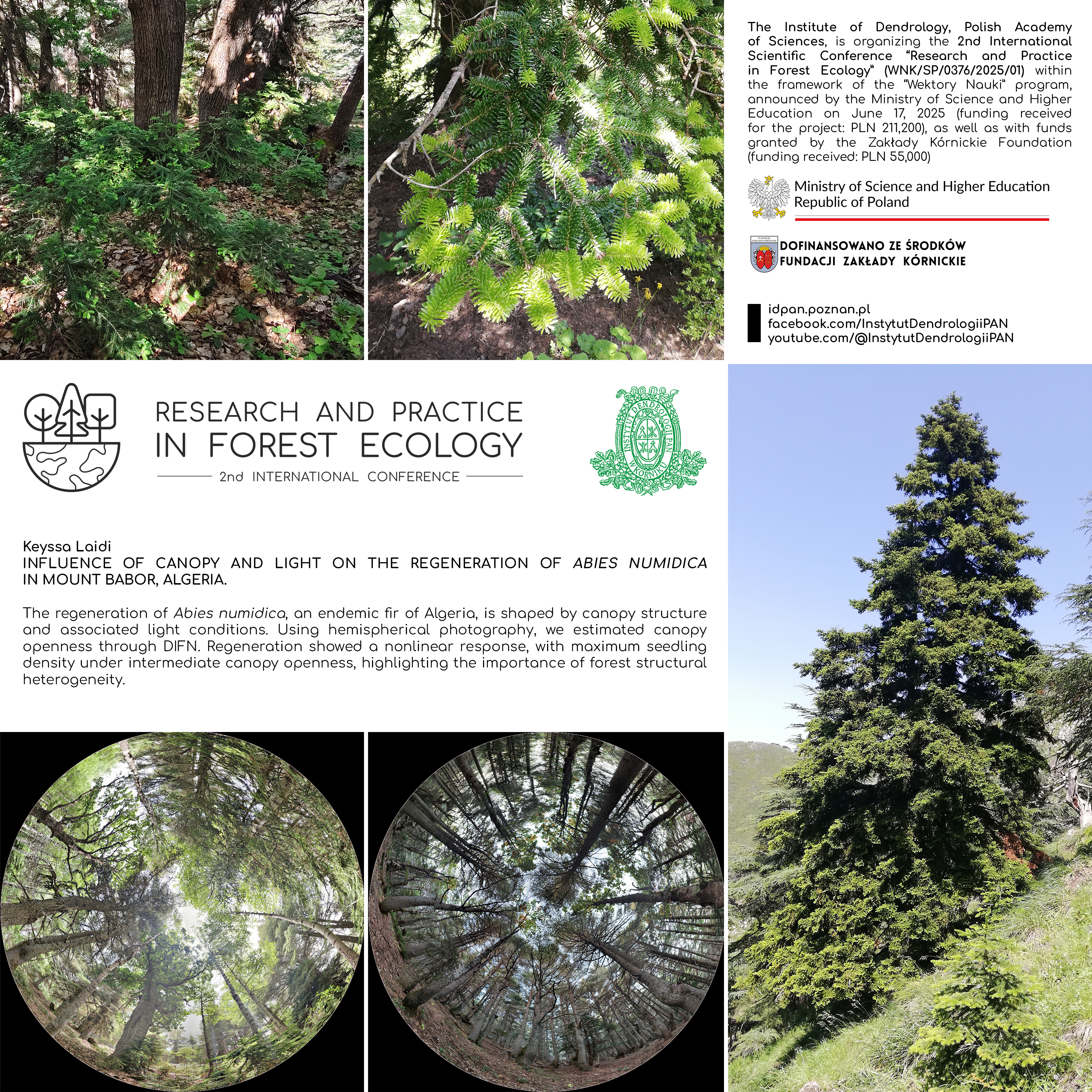
Keyssa Laidi Influence of canopy structure and light on the regeneration of Numidian fir (Abies numidica de Lannoy) in the mixed forest of Mount Babor |
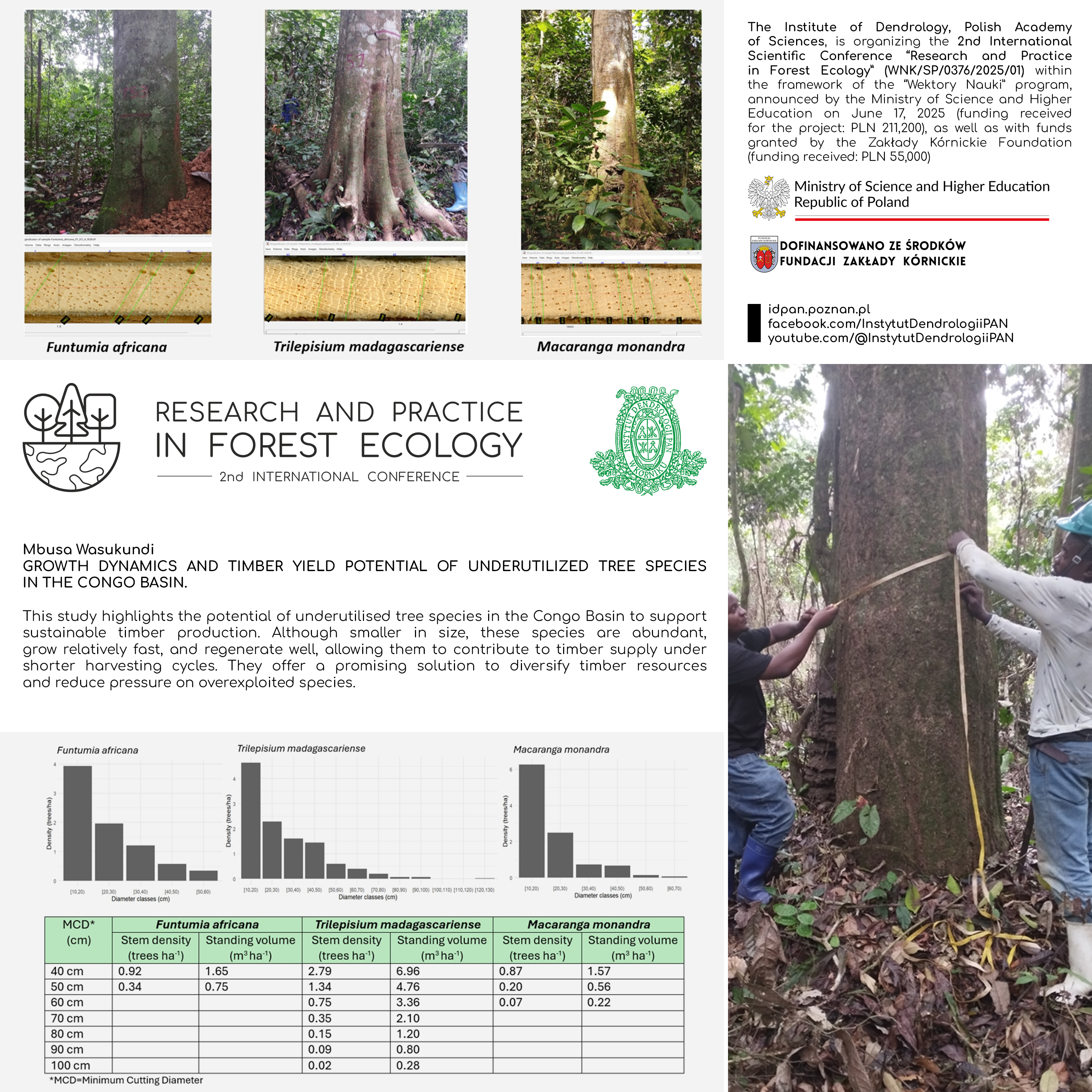
Muyisa Wasukundi Growth dynamics and timber yield potential of underutilized tree species in the Congo Basin |
| 10 | 11 | 12 |
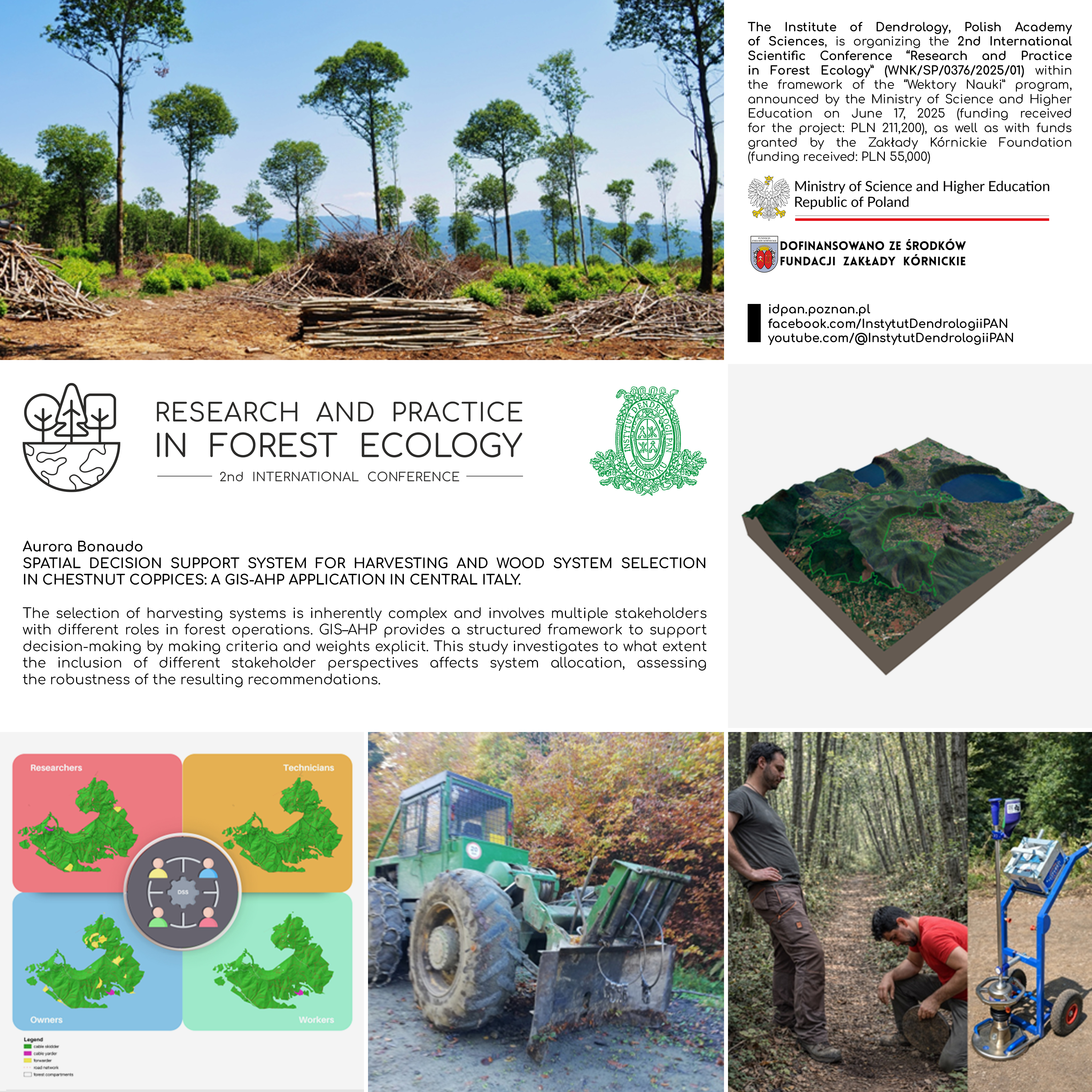
| Aurora Bonaudo Spatial Decision Support System for harvesting and wood system selection in chestnut coppices: a GIS-AHP application in Central Italy |
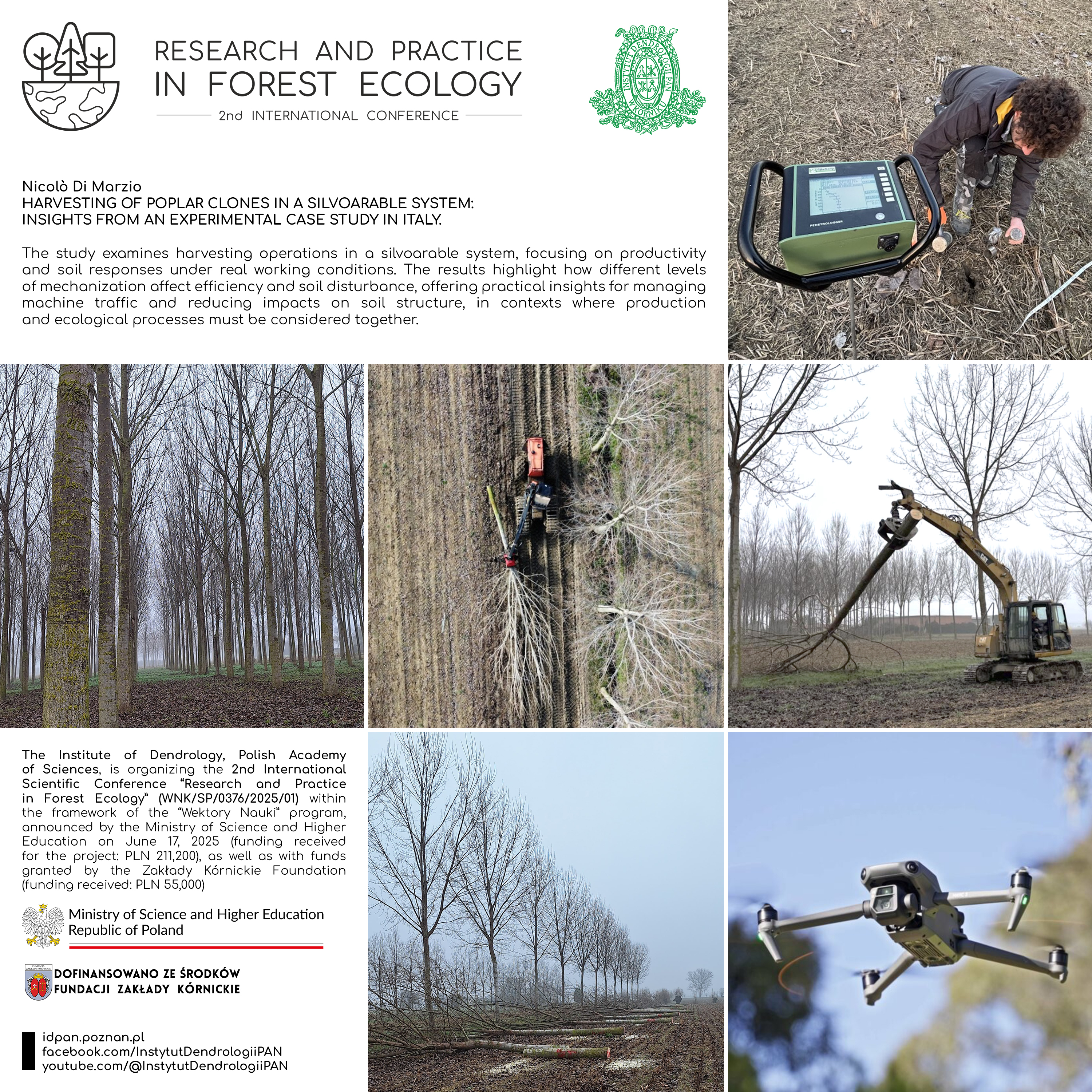
Nicolò Di Marzio Harvesting of poplar clones in a silvoarable system: insights from an experimental case study in Italy |
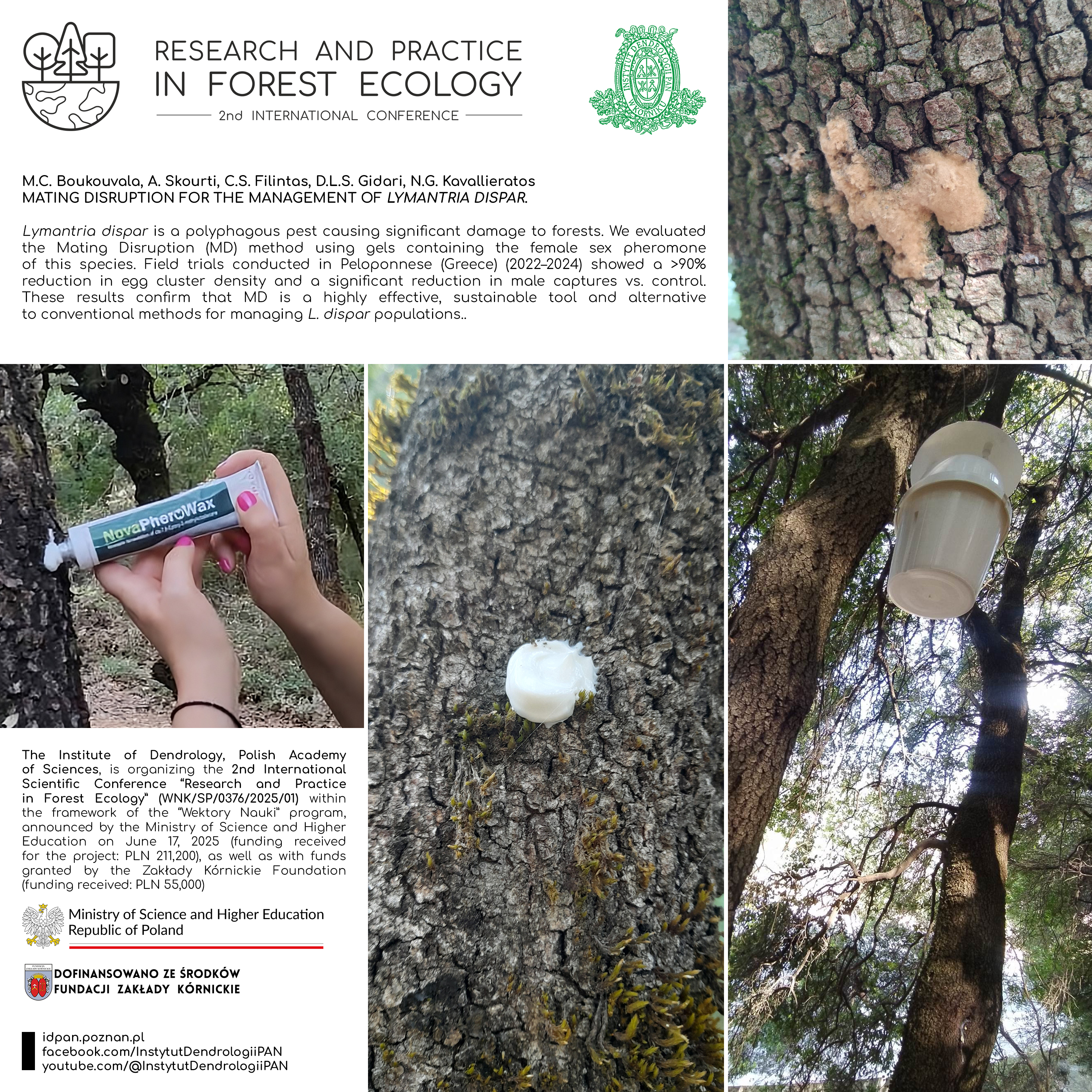
Konstantinos Filintas Mating disruption for the management of Lymantria dispar |
![]() |
||
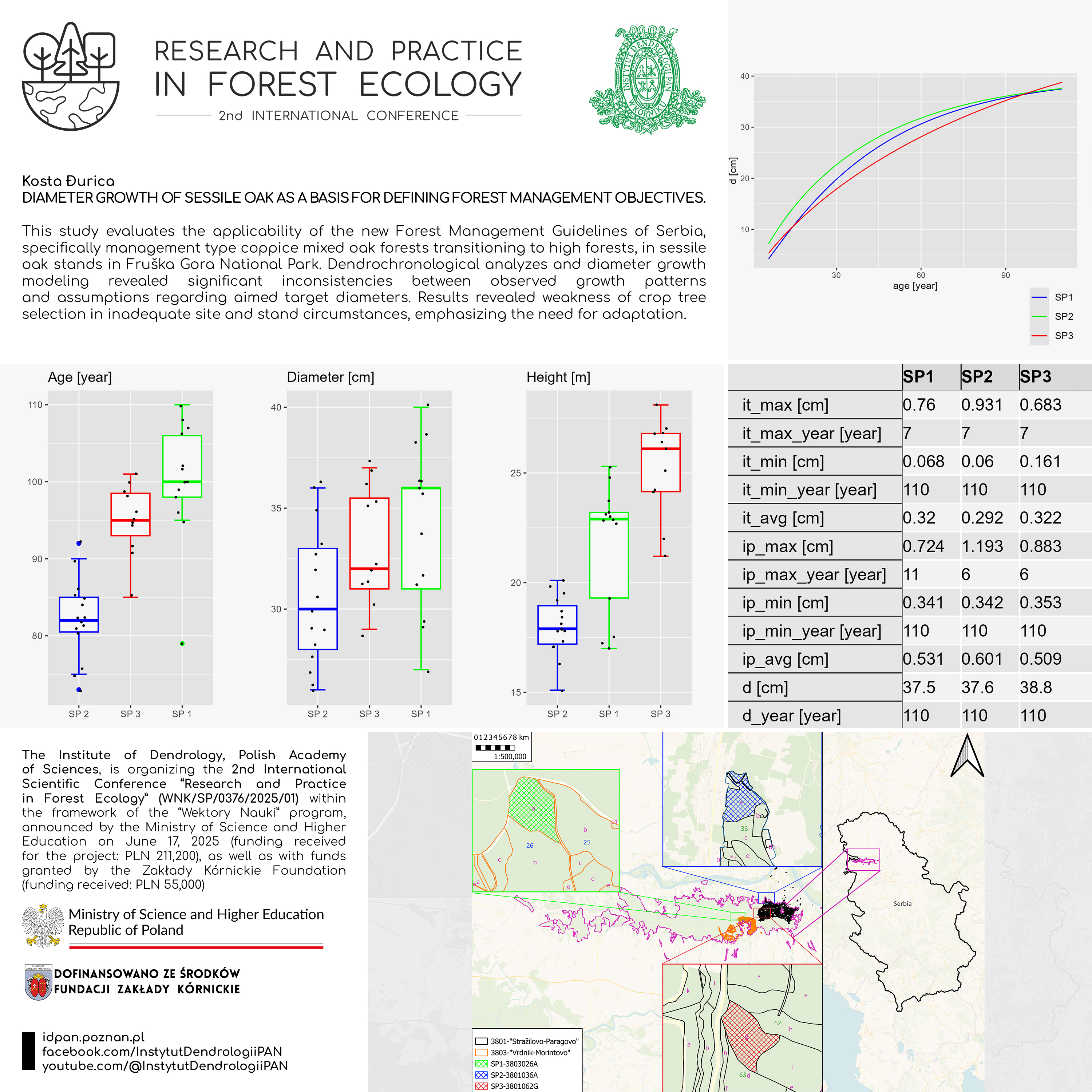
| Kosta Đurica Diameter growth of sessile oak as a basis for defining forest management objectives |
||
| Sesion 5 – Conference Program | ||
| 10 | 11 | 12 |
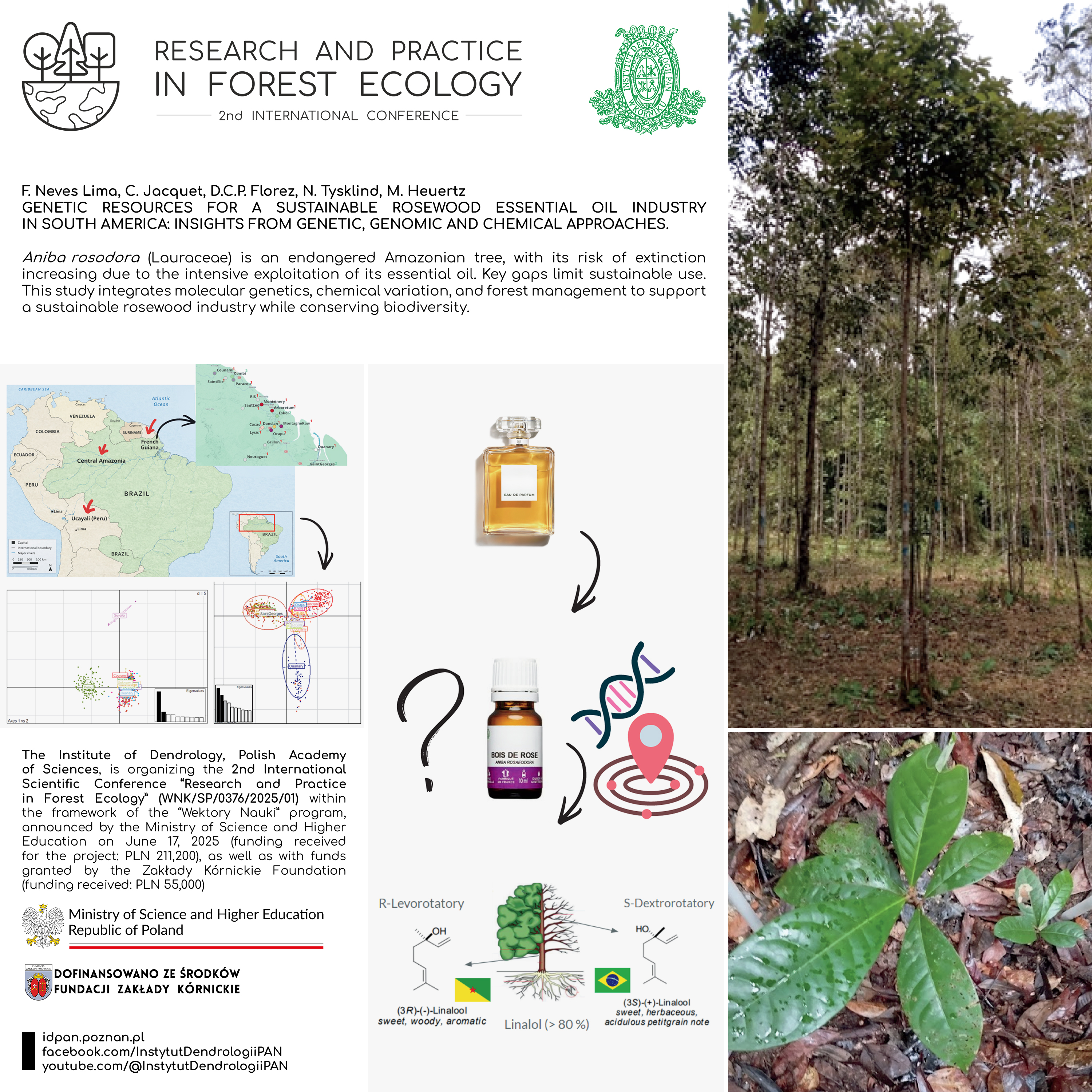
| Fernanda Neves Lima Genetic resources for a sustainable rosewood essential oil industry in South America: Insights from genetic, genomic, and chemical approaches |
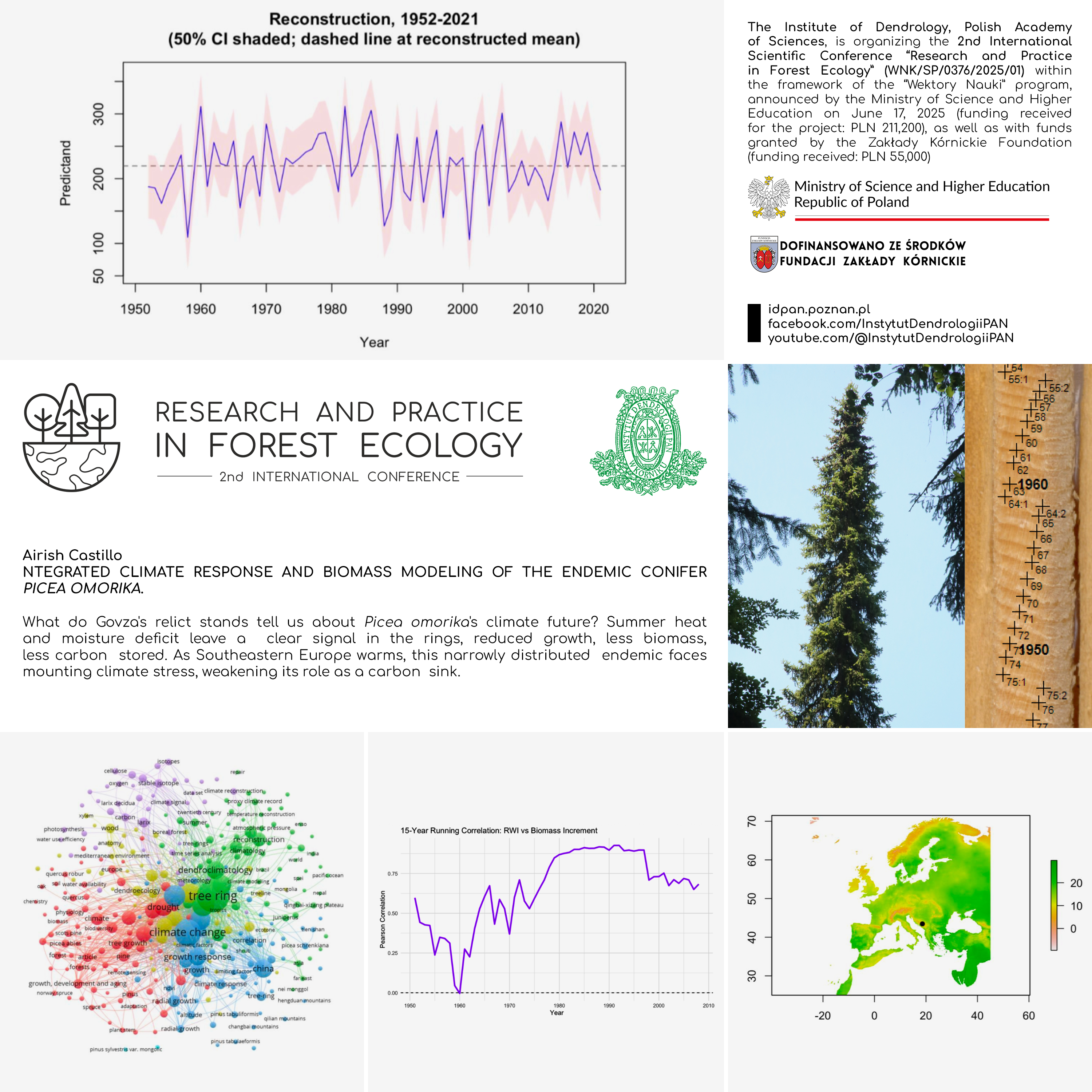
Airish Castillo Integrated climate response and biomass modeling of the endemic conifer Picea omorika |
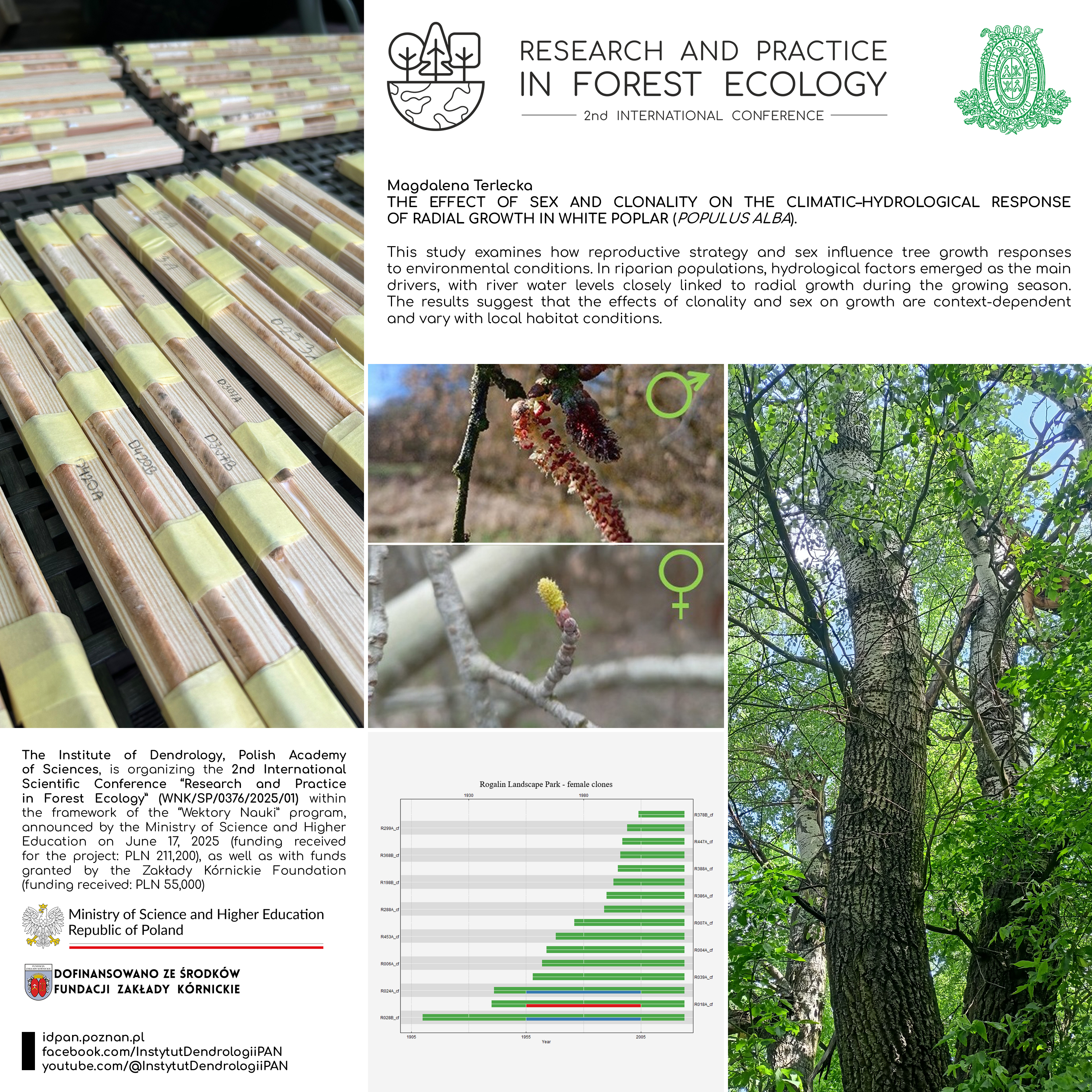
Magdalena Terlecka The effect of sex and clonality on the climatic–hydrological response of radial growth in white poplar (Populus alba) |
| 10 | 11 | 12 |
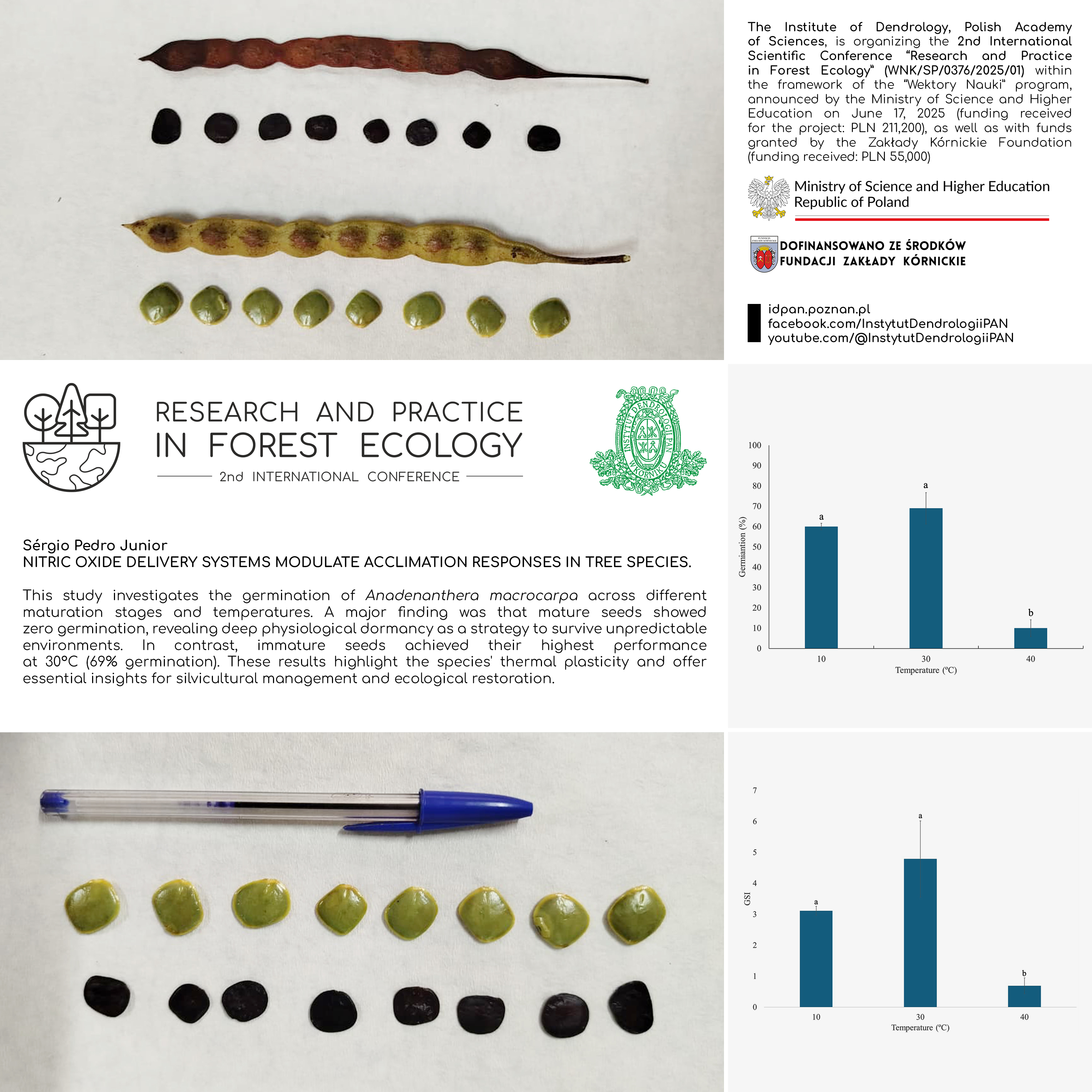
| Sérgio Pedro Junior Thermal plasticity and maturation-induced dormancy in Anadenanthera macrocarpa seeds |
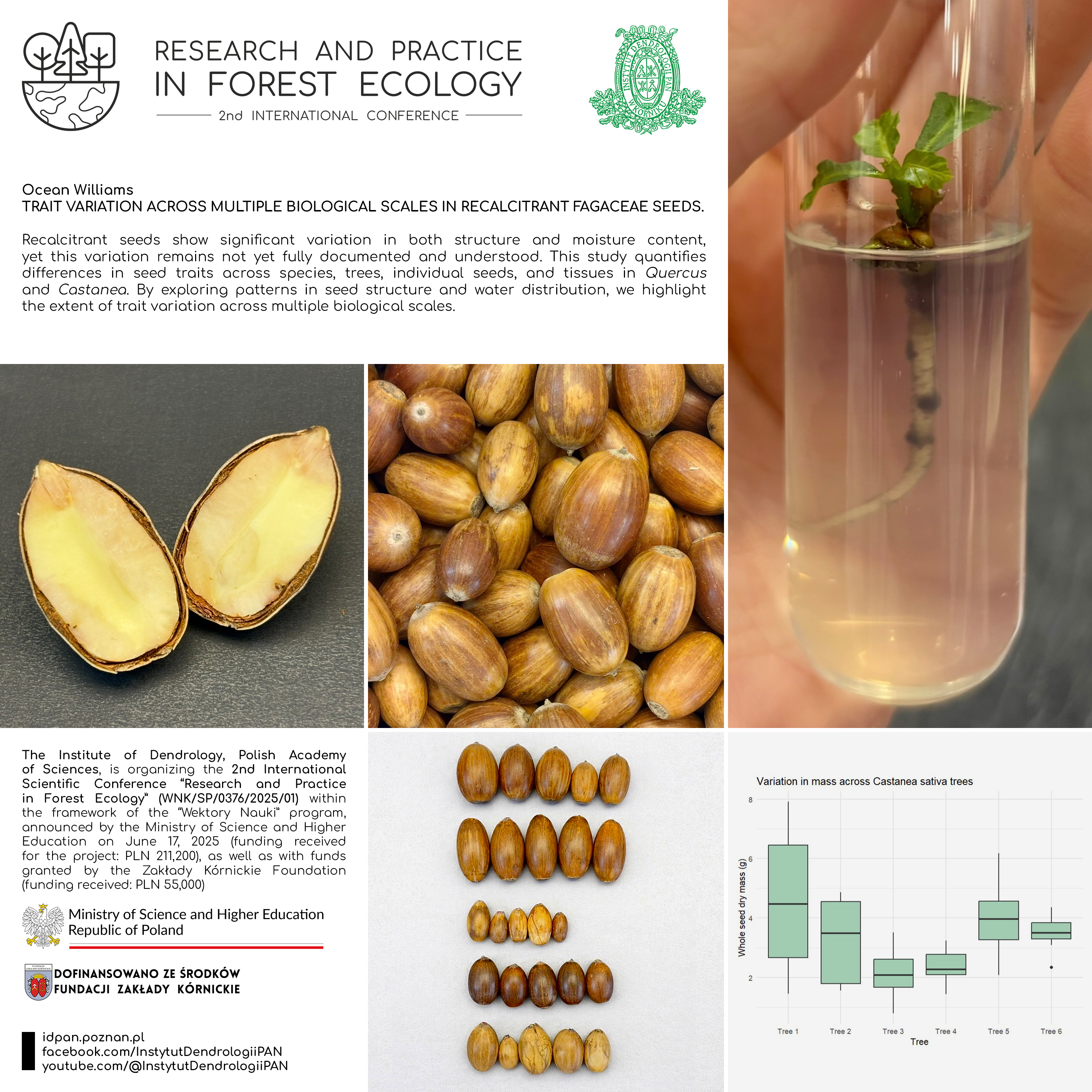
Ocean Williams Trait variation across multiple biological scales in recalcitrant Fagaceae seeds |
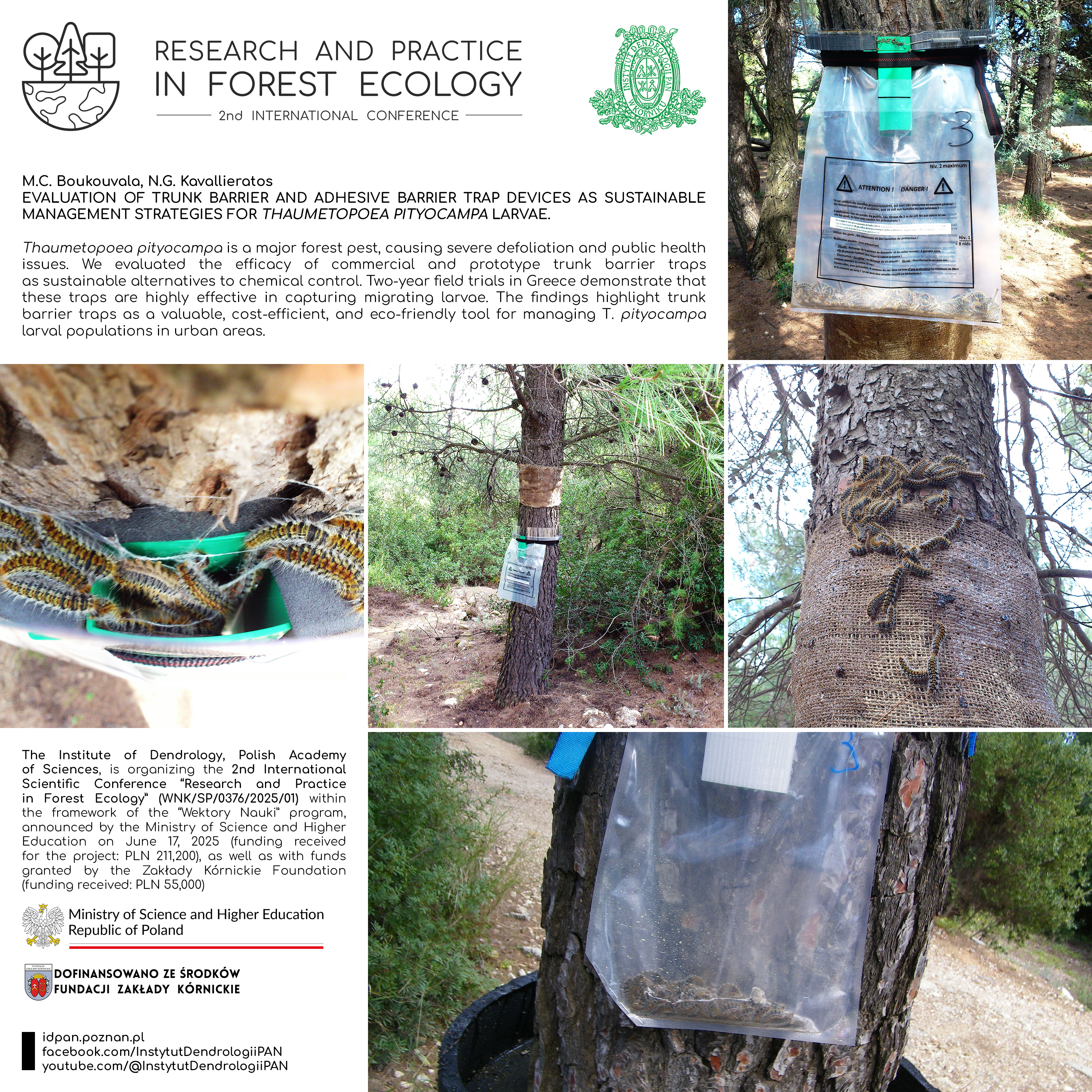
Maria C. Boukouvala Mating disruption for the management of Lymantria dispar |
| 10 | 11 | 12 |
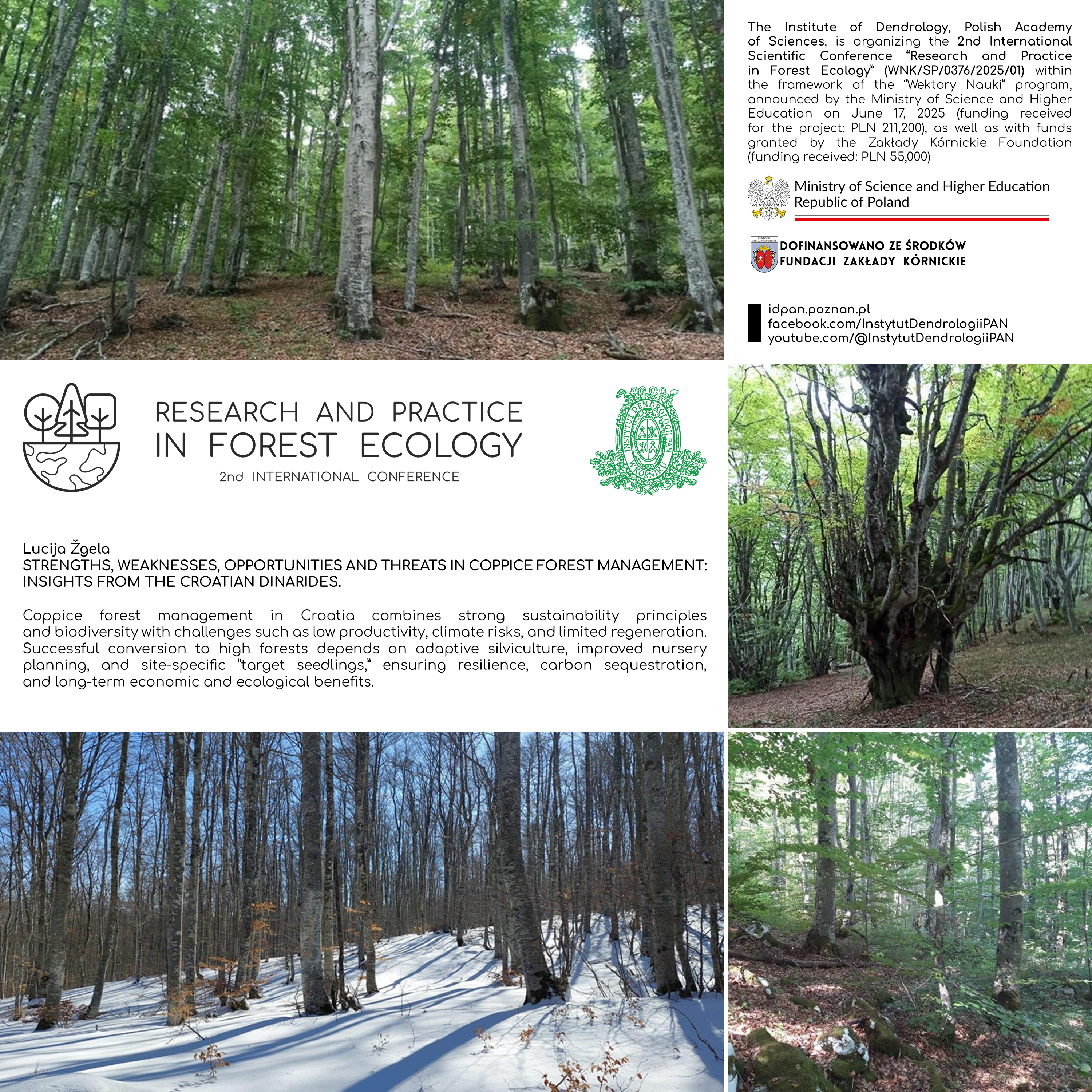
| Lucija Žgela Strengths, weaknesses, opportunities and threats in coppice forest management: Insights from the Croatian Dinarides |
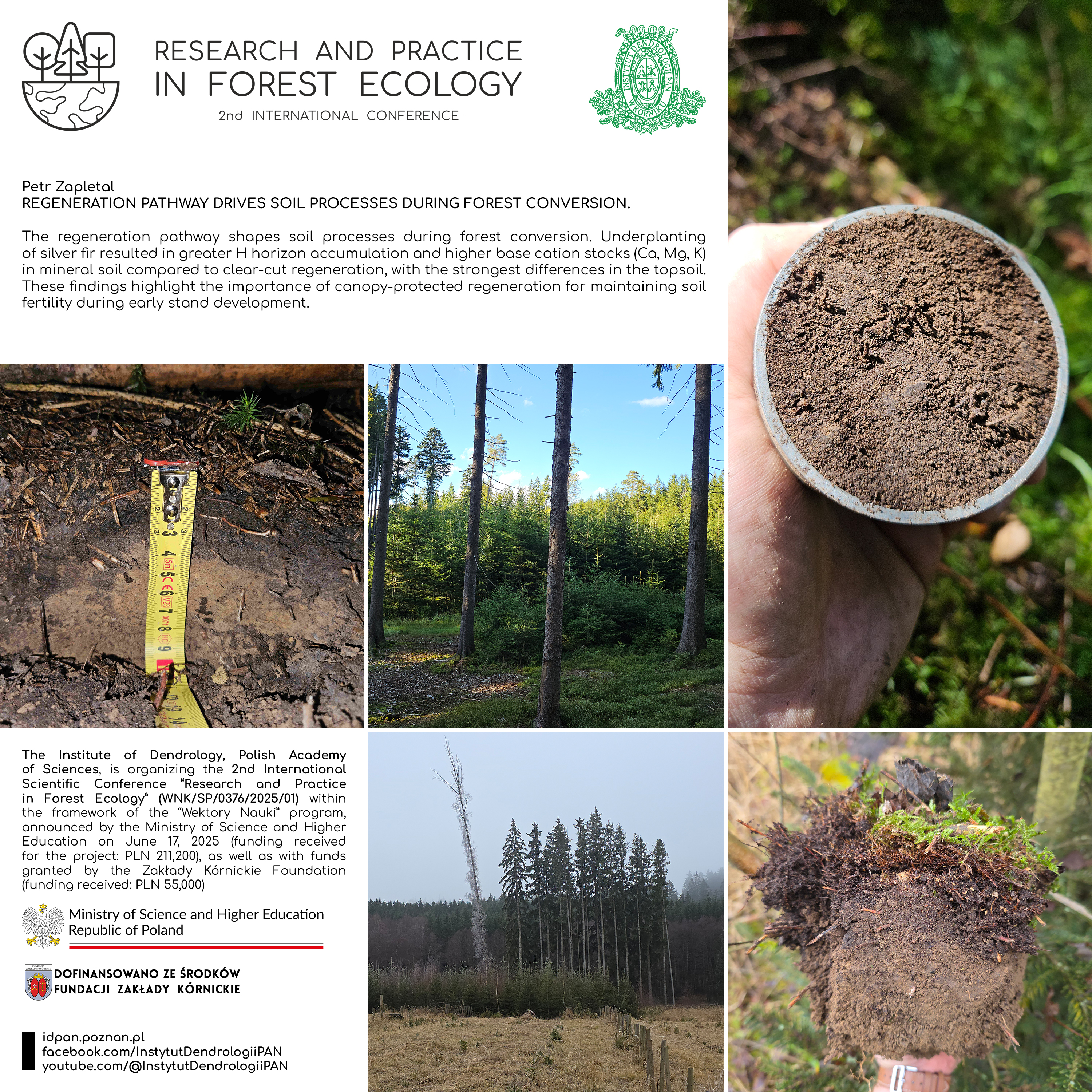
Petr Zapletal Regeneration pathway shapes nutrient stocks and litter accumulation under newly established silver fir stands in secondary Norway spruce monocultures: a stand-level comparison |
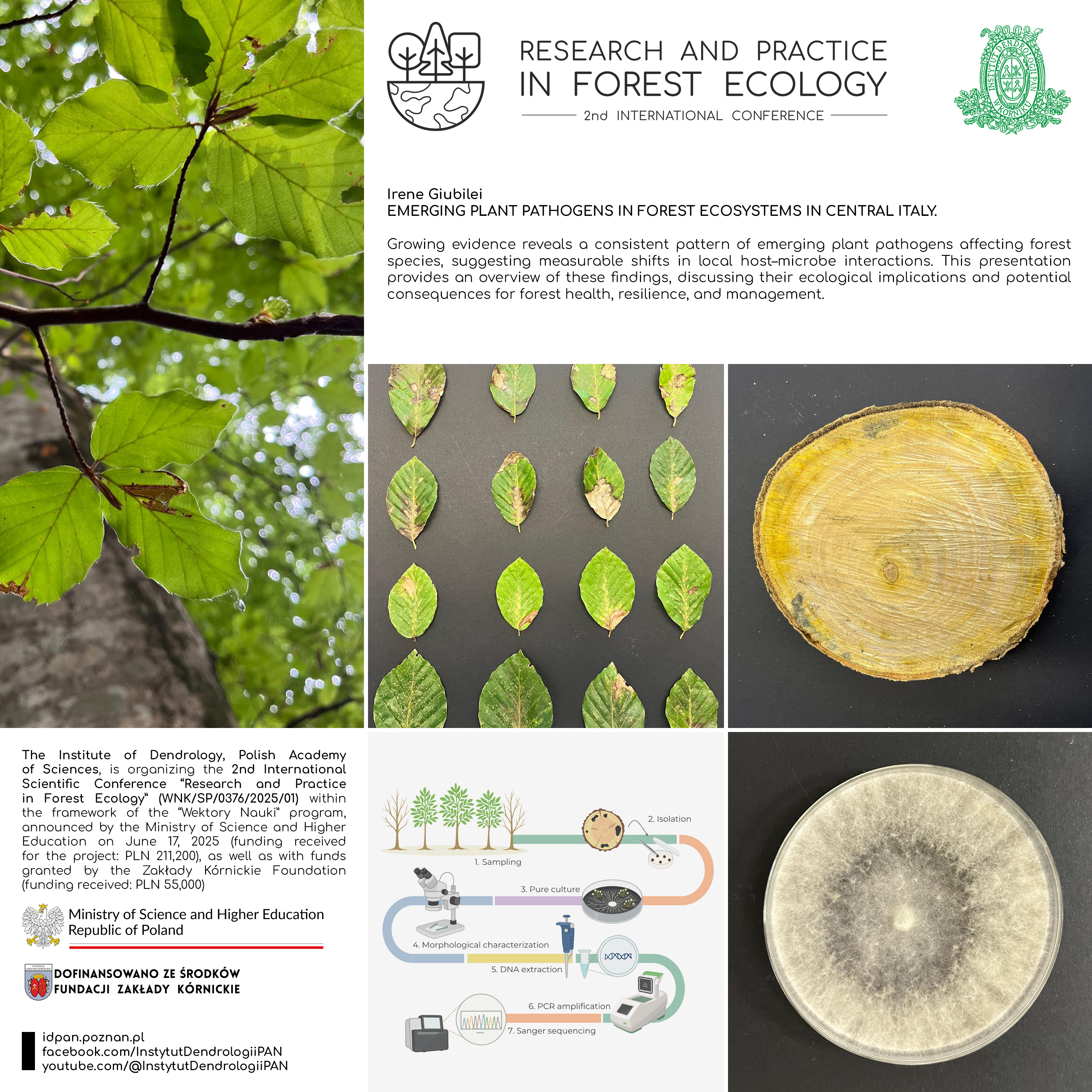
Irene Giubilei From first reports to hidden reservoirs: emerging forest pathogens dynamics under climate pressure in Central Italy |
| 10 | ||
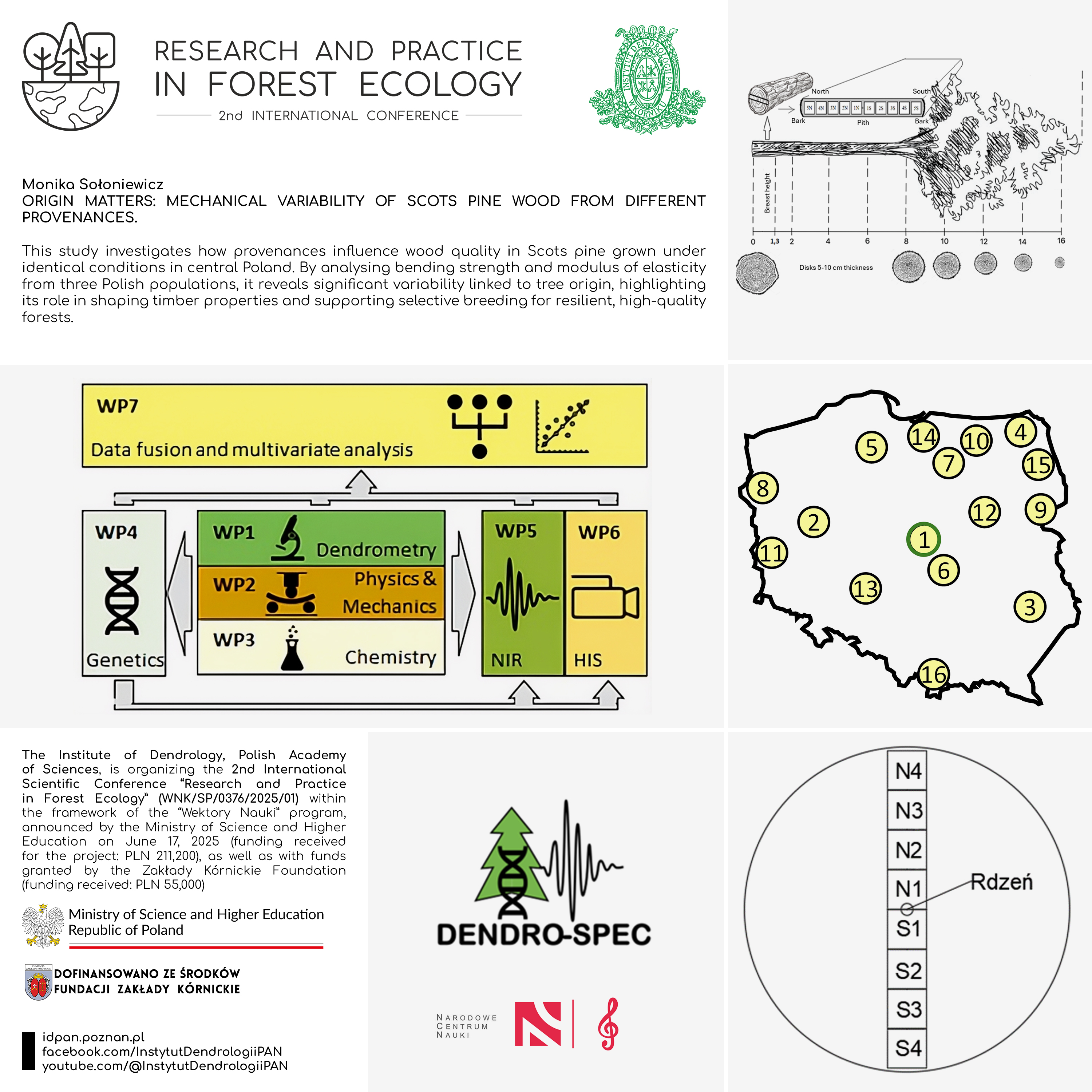
| Monika Sołoniewicz Origin matters: mechanical variability of Scots pine wood from different provenances |
Facebook Event Page (all posts)
https://www.facebook.com/events/1427638554484628/
Invitation and YouTube Livestream
https://www.youtube.com/playlist?list=PLKNenHEi1zJqUSMoIpVHeJs-SjKD-MxX
Invitation and Registration Information
https://www.facebook.com/InstytutDendrologiiPAN/posts/pfbid0ExKxWunqqCfwLigNzdfW68bV6NWC5gATmMGZNaBKbU1oBRY1fV7ZAFmmdh342LDil
Keynote Speakers
https://www.facebook.com/InstytutDendrologiiPAN/posts/pfbid07CbvjjdXr3kYMRWoHQtE3R7FbdjEg7ksJLprryitvWNoLm1pAJk9xGGXbFTNke8rl
Posters
Sessions 9–10:
https://www.facebook.com/InstytutDendrologiiPAN/posts/pfbid02RBn1pPxcCSbTkYtTeHMMw9AyeSbEUQUJtD8JNfvVYs6uZkp5X7LVxjpwfPvJGwKql
Posters – Invited Speakers’ Lectures
Conference Preparations
https://www.facebook.com/InstytutDendrologiiPAN/posts/pfbid0htae9V7VCLD9kgievy9n9BypERtnH3UmX3npwZqb7ztSJJtzrJzTgYGTNMJwFbVhl
Day 1 – Lectures
https://www.facebook.com/InstytutDendrologiiPAN/posts/pfbid02uqdKxPm7CSXAvYJwbJk2MYZRLznbeisafJHpsSKvrWfko8xj1zE8Vtty6wwf4nsVl
Day 2 – Lectures
https://www.facebook.com/InstytutDendrologiiPAN/posts/pfbid02zErKa2aQoCDR41hv4va1tbnWrkeRJaidaqEZuy24PsSeLvnT9UJHkgLQkzU36cHRl
Day 1 – Lecture Highlights
https://www.facebook.com/InstytutDendrologiiPAN/posts/pfbid02L3xfUVA6hJpsTf3eZkrZHdZK7o5pdjJJieRrYoQtC5mzfMe7pkM349ejp5mDPr6Pl
Day 2 – Lecture Highlights
https://www.facebook.com/InstytutDendrologiiPAN/posts/pfbid023zwkVygWBZn6u8YFAr7KM5R1WVyvgQ482zn3WHYGjzHggoQyu2dtmJX1PZd1XThMl
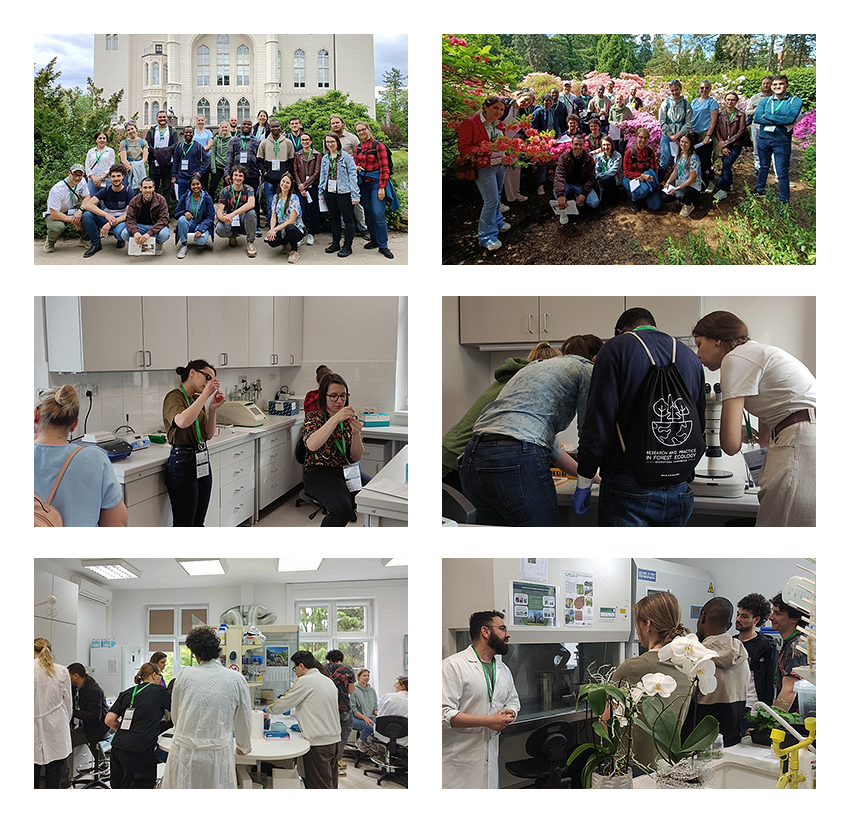
Day 3 – Workshops (Highlights)
https://www.facebook.com/InstytutDendrologiiPAN/posts/pfbid02VP6ahwWUcBJs3hjM12VF15M7tXCnWoz92Zz7xrPYGXW1Kxxup3ucfuUh8ohzPsBWl
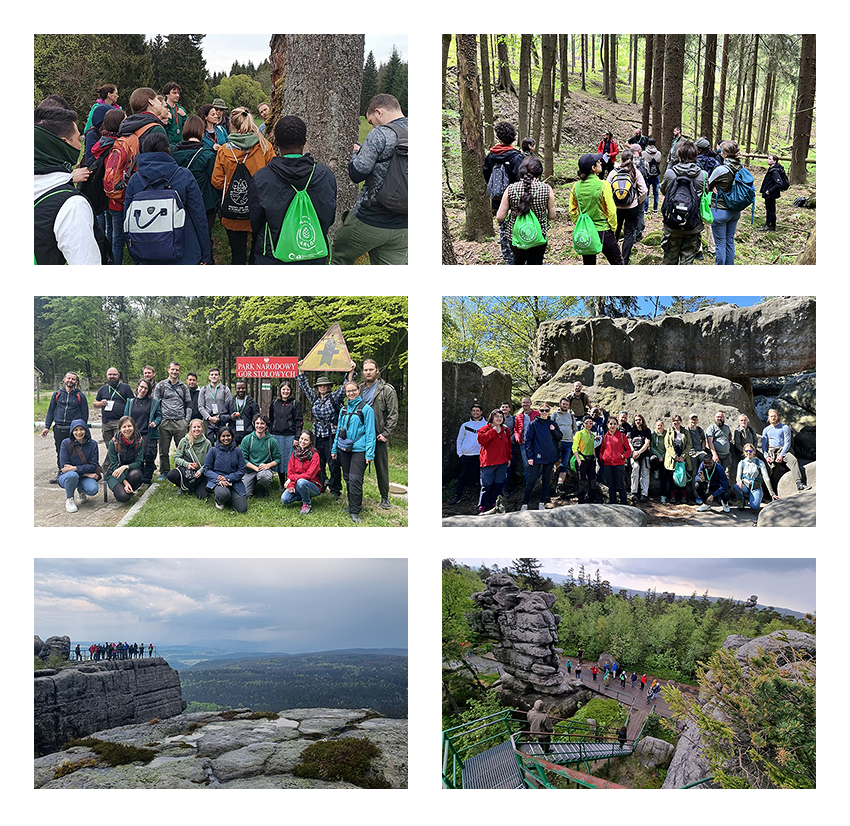
Days 4–5 – Field Trip (Highlights)
https://www.facebook.com/InstytutDendrologiiPAN/posts/pfbid0NipedZYtEZSbBoKaV96AZZNgg6UzUonJXWiGCR69xs5TVFq7FGCmdZhPCSyqgiJ3l
Days 4–5 – Field Trip Video
https://www.facebook.com/reel/470546078875668
Acknowledgements
https://www.facebook.com/InstytutDendrologiiPAN/posts/pfbid0zDS34cfWAQcAEzX7TEs9Y9FEajWgQxNJkrnWszhScPy8ocE1XE1jRkTQTFYLJvQ7l
Book of Abstracts
https://www.facebook.com/InstytutDendrologiiPAN/posts/pfbid02jXvgX54s47gEAyVBjnsf9mdJ1yzvMPkzWSS4byxbw77UFgztuUwNzeV3Uee4jJXl
PhD Eng. Mikołaj Wawrzyniak
PhD Shirin Alipour
MSc Joanna Walkowiak
MSc Magdalena Terlecka
phone: +48 61 817 00 33
email:

Airplane
The Ławica airport is located in the city of Poznań and is well linked with other parts of the city. More European connections are available through the neighboring airports of Wrocław, Warsaw or Berlin.
Train
The PKP railways connects Poznań to all major Polish cities, as well as Berlin in Germany. The central railway station is located 10 min from the city center.
Bus
Flixbus company provides many connections to Poznań from other Polish and European cities. The bus station is located next to the main railway station.
Getting to Kórnik
The best way to commute to Kórnik is by local bus (No. 501, 503, or 560) from Rondo Rataje bus stop in Poznań to Kórnik/Reja in Kórnik. Buses depart every 30 min. The journey lasts 30 min, and tickets are available on the bus. The Institute is located 10 min walk from bus stop.