



• NEWS
  • INSTITUTE
  • ARBORETUM
  • DOCTORAL SCHOOL
  • DENDROBIOLOGY
  • CONTACT
  • 2nd International Scientific Conference

z

Select your language

  • PL
  • EN-US

  • About us
    • Mission, goals and agenda
    • HISTORY
    • REPORTS
    • ENTITY DATA FORM
    • STATUTE
    • ADDRESS DETAILS
    • VISUAL IDENTITY SYSTEM
    • Permissions
      • FOREIGN DEGREE RECOGNITION
  • STRUCTURE
    • BOARD OF DIRECTORS
    • ADMINISTRATION DIVISION
    • SCIENTIFIC DEPARTMENTS
    • SUPPORT DEPARTMENTS
    • ADVISORY BODIES
  • SCIENTIFIC COUNCIL
    • MEMBERS
    • Committees
    • Legal Acts
    • Doctoral Proceedings
    • SCIENTIFIC DEGREES
  • EMPLOYERS
    • Log In
    • Contact details
  • RESEARCH ACTIVITIES
    • ERASMUS+
    • Dendrobiology
    • DATABASES
    • PROJECTS
    • Publications
    • popularisation
    • Seminars
    • Trainings
    • 2nd International Scientific Conference
    • Conferences
  • Announcements
    • RECRUITMENT FOR JOB AND INTERNSHIPS
    • PhD student recruitment
    • PROCUREMENTS
  • Logo HR
    • information for employees
„Kórniczanin” nr 3/2026
Popular science article

„Kórniczanin” nr 3/2026

23.02 23 February 2026
Maciej Rajek

K 03 2026

K 03 2026

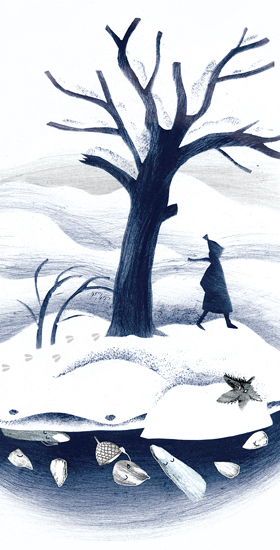
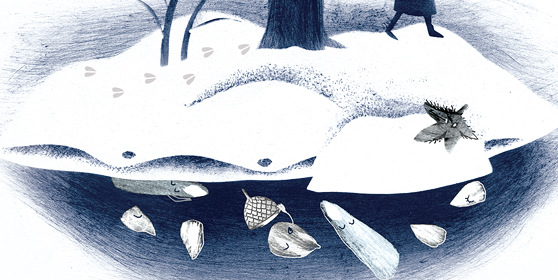
In the biweekly magazine Kórniczanin, issue no. 3/2026 of 6 February 2026 (pp. 12–13), an article by Maciej Rajek from the Institute of Dendrology, Polish Academy of Sciences, entitled “Beneath a Snowy

...

 Read more >>

Perły odchodzą do lamusa
Popular science article

Perły odchodzą do lamusa

17.02 17 February 2026
Grzegorz Płócieniak

echa 4 2025 mini1

echa 4 2025 mini2

W „Echach Leśnych” (4/2025) ukazał się kolejny felieton prof. Andrzeja M. Jagodzińskiego. Tekst opublikowany został w stałej rubryce „Głośnym Echem” i jest nawiązaniem do artykułu red. Bogumiły Grabow

...

 Read more >>

A Story of the Bond Between People and Plants
Popular science article

A Story of the Bond Between People and Plants

30.01 30 January 2026
Magdalena Terlecka

foto k 02 2026 1

foto k 02 2026 2

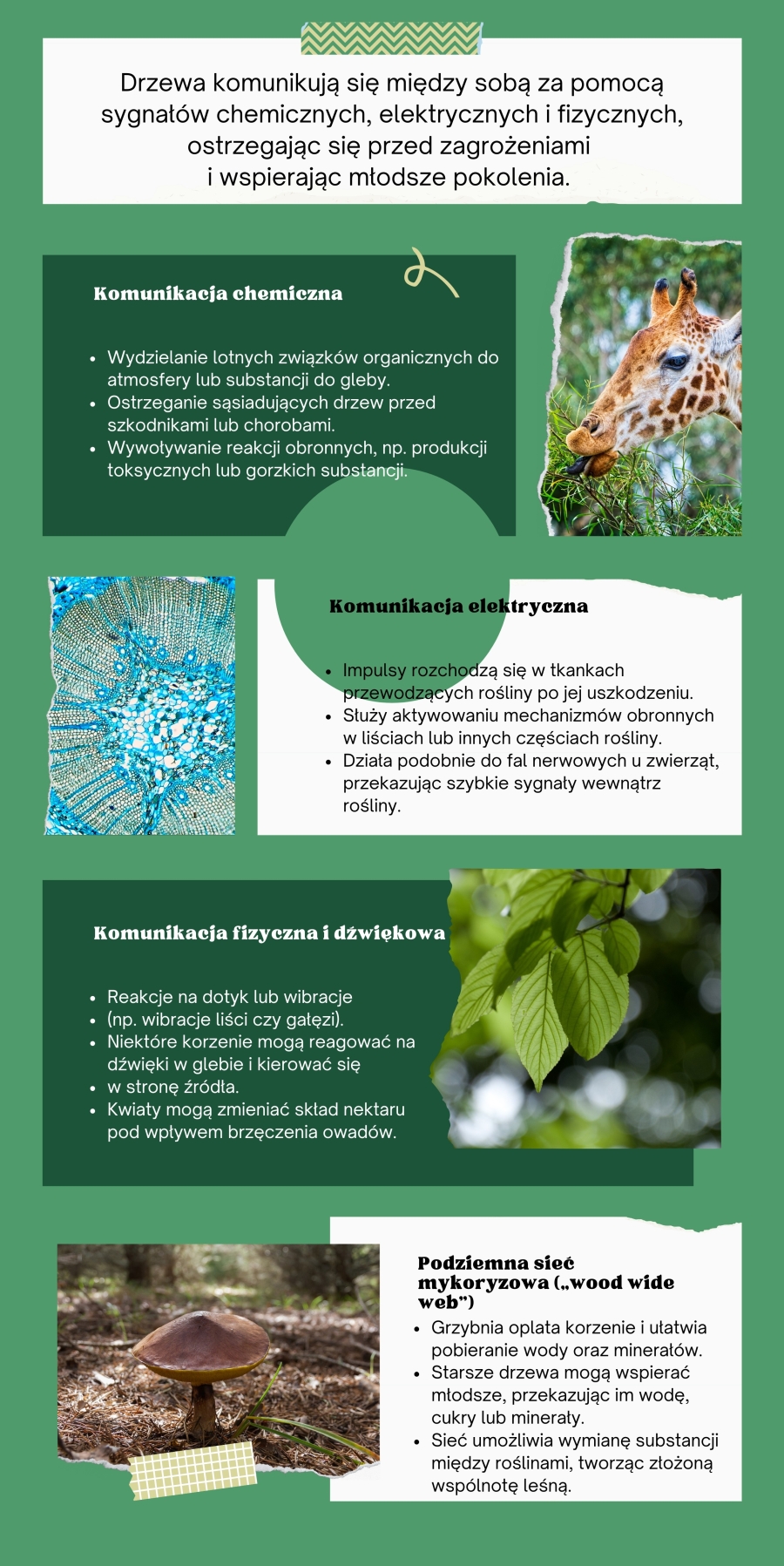
In the latest issue of “Kórniczanin” (No. 17/2025, pp. 14–15), an article from the series “News from the Kórnik Gardens” has been published under the title “The Whisper of the Forest – Can Trees Comm

...

 Read more >>

Nauka dla praktyki: Obce w rodzimych lasach
Popular science article

Nauka dla praktyki: Obce w rodzimych lasach

30.12 30 December 2025
Robin Wilgan

foto lp 18 2025 1

foto lp 18 2025 2

Wielu z nas nie zdaje sobie sprawy, jak duży wpływ na ekosystemy leśne mają obce gatunki drzew, takie jak robinia akacjowa, dąb czerwony czy czeremcha amerykańska. Ich obecność może prowadzić do zmiany st

...

 Read more >>

Nauka dla praktyki: Nauka obywatelska w lasach
Popular science article

Nauka dla praktyki: Nauka obywatelska w lasach

23.12 23 December 2025
Sonia Paź-Dyderska

foto lp 22 2025 1

foto lp 22 2025 2

Czy wiedzieliście, że każdy z nas, nawet bez specjalistycznej wiedzy, może pomóc naukowcom w badaniach nad lasami i przyrodą? Dzięki platformie iNaturalist, pasjonaci przyrody mogą dzielić się swoimi o

...

 Read more >>

Sekrety nisz ekologicznych roślin
Popular science article

Sekrety nisz ekologicznych roślin

19.12 19 December 2025
Klaudia Jopek

foto korniczanin 21 2025 1

foto korniczanin 21 2025 2

W dwutygodniku „Kórniczanin”, nr 21/2025, na stronie 12, ukazał się artykuł pt. „Sekrety nisz ekologicznych roślin”, opublikowany w ramach cyklu „Wiadomości z Ogrodów Kórnickich”. Autorka tekstu

...

 Read more >>

echa leśne 2025 3

echa leśne 2025 31

„Echa Leśne” to kwartalnik przyjaciół lasu, który ukazuje się od 1924 roku. W tradycyjnym papierowym wydaniu dostępny jest bezpłatnie w siedzibach wszystkich nadleśnictw Lasów Państwowych, w ośrodkach edukacyjnych, szkoleniowych i wypoczynkowych LP, w siedzibach parków narodowych, oddziałach Polskiego Towarzystwa Turystyczno-Krajoznawczego oraz schroniskach młodzieżowych.

Aktualny numer oraz numery archiwalne (od 2012 r.) w wersji elektronicznej można znaleźć tutaj: https://www.lasy.gov.pl/pl/informacje/echa-lesne.

Zachęcamy do przeczytania całego numeru, szczególnie zaś felietonu prof. Andrzeja M. Jagodzińskiego pt. „Dudki, dëtczi i bejmy”. Tekst nawiązuje do dłuższego artykułu red. Agnieszki Niewińskiej pt. „Z leśnym wsparciem mogą więcej”, zamieszczonego w tym samym numerze (3/2025). Miłej lektury!

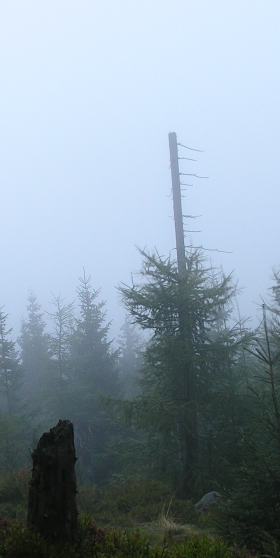
fot 280x550

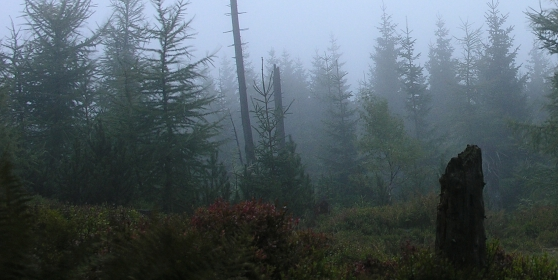
fot 558x280

The latest issue of Kórniczanin (No. 16/2025, p. 14) features an article from the series News from the Kórnik Gardens entitled Oxidative window – the boundary between life and death of seeds. Its authors – Aleksandra Setecka, Hanna Fuchs, and Ewelina Ratajczak – present the fascinating world of reactive oxygen species (ROS). Although they are mainly associated with cell destruction, in plants they also perform a signaling function, triggering the germination process. The so-called “oxidative window,” i.e., the range of ROS concentrations that determines whether a seed will come to life or die, is of key importance. This knowledge has great practical significance – it allows for a better understanding of both seed storage and the mechanisms of plant germination in the garden, in the field, or in the forest.

Written by: Daniel J. Chmura, Marzenna Guzicka

fot 280x550

fot 558x280

The issue of “Kórniczanin” (No. 15/2025) in the series “News from the Kórnik Gardens” featured an article entitled “Why is birch white?” by Prof. Daniel J. Chmura and Dr. Marzenna Guzicka from the Institute of Dendrology of the Polish Academy of Sciences. The text answers the question: where does the characteristic color of birch bark come from? The authors present both folk tales and scientific explanations related to the presence of betulin, a chemical compound that gives the bark its white color and protects the tree. The article also reveals the fascinating world of bark—its structure, protective functions, and importance in nature and for humans.

Fot.1 2

Fot2 2

Fot4 2

Written by: Andżelika Drozda

drozda kórniczanin

drozda kórniczanin

The latest issue of Kórniczanin (No. 14/2025) features an article by Dr. Andżelika Drozda entitled Plant Epigenetics – the green art of survival, part of the series “News from the Kórnik Gardens.” The text reveals the extraordinary strategies of plants, which, despite lacking a brain or immune system, are able to effectively ward off attacks by pathogens. Epigenetics plays a key role here – a system of molecular “switches” that determine gene activity. Thanks to them, plants not only respond to viruses, bacteria, and fungi, but also remember previous infections and pass this knowledge on to their offspring. The article shows how the invisible world of epigenetic mechanisms supports plant survival and immunity.
Written by: Grzegorz Płócieniak

fot

We invite you to read the latest, 7th issue of Franciszek’s Trees – Energy.
This edition is dedicated to one of the key challenges of our time – the future of energy in the context of environmental protection, security, and accessibility. The authors explore a broad spectrum of topics: from renewable energy sources, through hydrogen and nuclear energy, to energy poverty, showing how the decisions we make today shape the future of our civilization.

The issue also features articles by researchers from the Institute of Dendrology, Polish Academy of Sciences: MSc Joanna Kijowska-Oberc and Prof. Ewelina Ratajczak, Prof. Agnieszka Szuba; Dr. Marta B. Kujawska; and Prof. Leszek Karliński.

Joanna Kijowska-Oberc, Ewelina Ratajczak – Where Do Plants Get Their Energy? (pdf)
The authors take the reader on a fascinating journey into the world of trees – from thermal energy essential for germination and survival, through the use of wind and water for seed dispersal, to photosynthesis and the work of mitochondria as the “engines” of the cell. They also explain how climate change affects the life cycles of plants and why protecting their energy potential is crucial for the future of ecosystems.

Agnieszka Szuba – Energy from Trees – On Woody Biomass  (pdf)
The article examines the role of woody biomass as one of the most important renewable energy sources in Poland and Europe. It discusses its origins, economic importance, the potential of fast-growing plantations, and the legal and environmental challenges associated with its use. It also highlights how a sustainable approach to sourcing and burning biomass can support the energy sector while protecting forests and the climate.

Marta Kujawska – Mushrooms Full of Energy (pdf)
The author presents the remarkable potential of fungi – from their symbiosis with cyanobacteria, enabling the generation of electricity, to naturally enhancing the piezoelectric effect in wood. She also describes the medicinal properties of hundreds of species that support immunity, improve vitality, and can provide a natural “energy boost” in everyday diets. It is a captivating journey into the world of fungi, where science meets practical applications and daily life.

Leszek Karliński – The Life-Giving Energy of Trees and Fungi (pdf)
This article explores the extraordinary symbiosis between trees and mycorrhizal fungi, through which both partners gain access to valuable energy and nutrients. The author draws on scientific research as well as the rich traditions, beliefs, and symbolism of trees and fungi in cultures worldwide. It is a story of their significance in nature and human life – from ancient times to the present day.

  1. GBIF – nature online
  2. Guest at home...
  3. Neighbors matter
  4. With Fiedler to the Rogalin meadows

Page 2 of 16

  • 1
  • 2
  • 3
  • 4
  • 5
  • 6
  • 7
  • 8
  • 9
  • 10

Contact

Institute of Dendrology

Polish Academy of Sciences

Parkowa 5

62-035 Kórnik, Poland

phone.: +48-61-8170033

fax: +48-61-8170166

e-mail: idkornik@man.poznan.pl

  • Structure
    • Department of Biogeography and Systematics
    • Department of Developmental Biology
    • Department of Ecology
    • Department of Genetics and Environmental Interactions
    • Department of Symbiotic Associations
    • Administration Division
    • Support Departments

mapa gogle

  • Sitemap
  • Privacy policy
  • Accessibility declaration
  • Cookies
  • Logout

logo instytutu

loga firm