

In the latest issue of “Kórniczanin” (No. 19/2025, pp. 12–13), an article by Tomasz Leski and Maria Rudawska from the Institute of Dendrology, Polish Academy of Sciences, and Algis Aučina from Vilnius University has been published as part of the series “News from the Kórnik Gardens.”
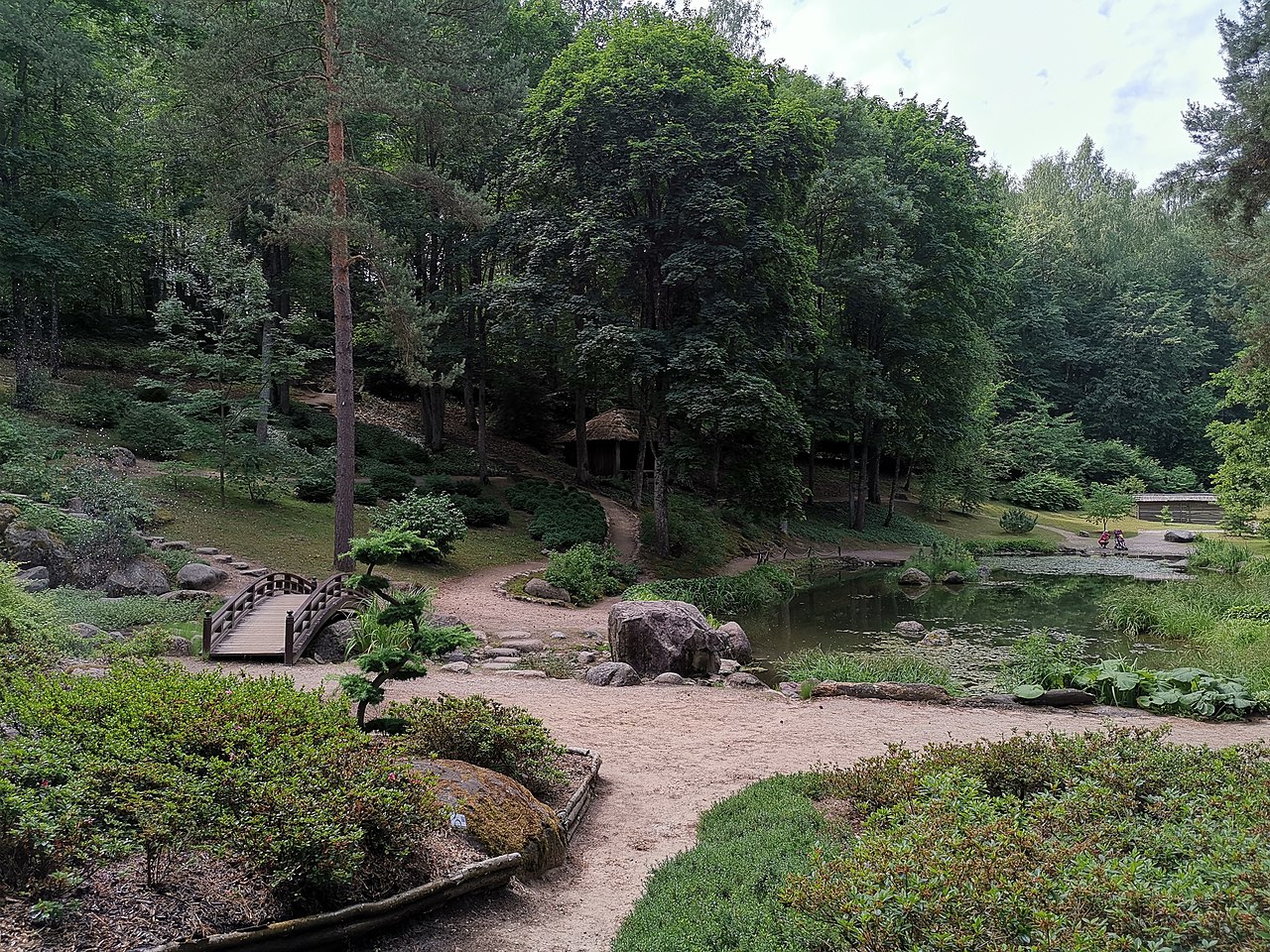
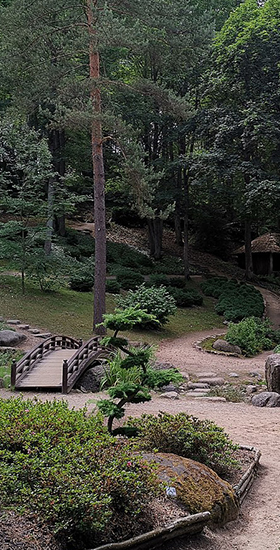
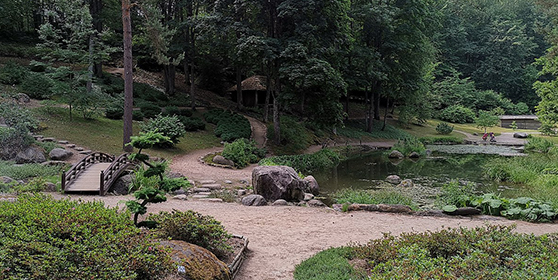
The authors take readers on a journey through more than two centuries of the history of the Vilnius University Botanical Garden – the largest in Lithuania and one of the richest in the Baltic region. They recount its beginnings in the Enlightenment era, the development under Stanisław Jundziłł, the devastation following historical upheavals, and its post-war revival in Kairėnai, where today the garden covers 199 hectares and hosts over 10,000 plant species.
It is a fascinating story of a place where science, history, and nature intertwine in a living tradition.
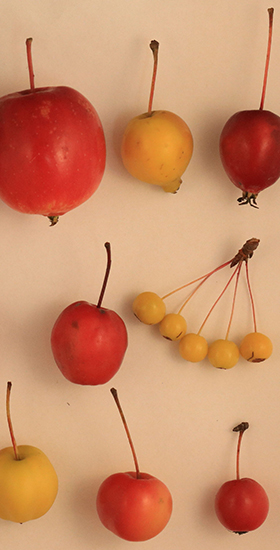
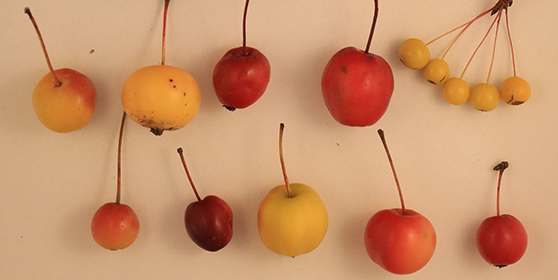
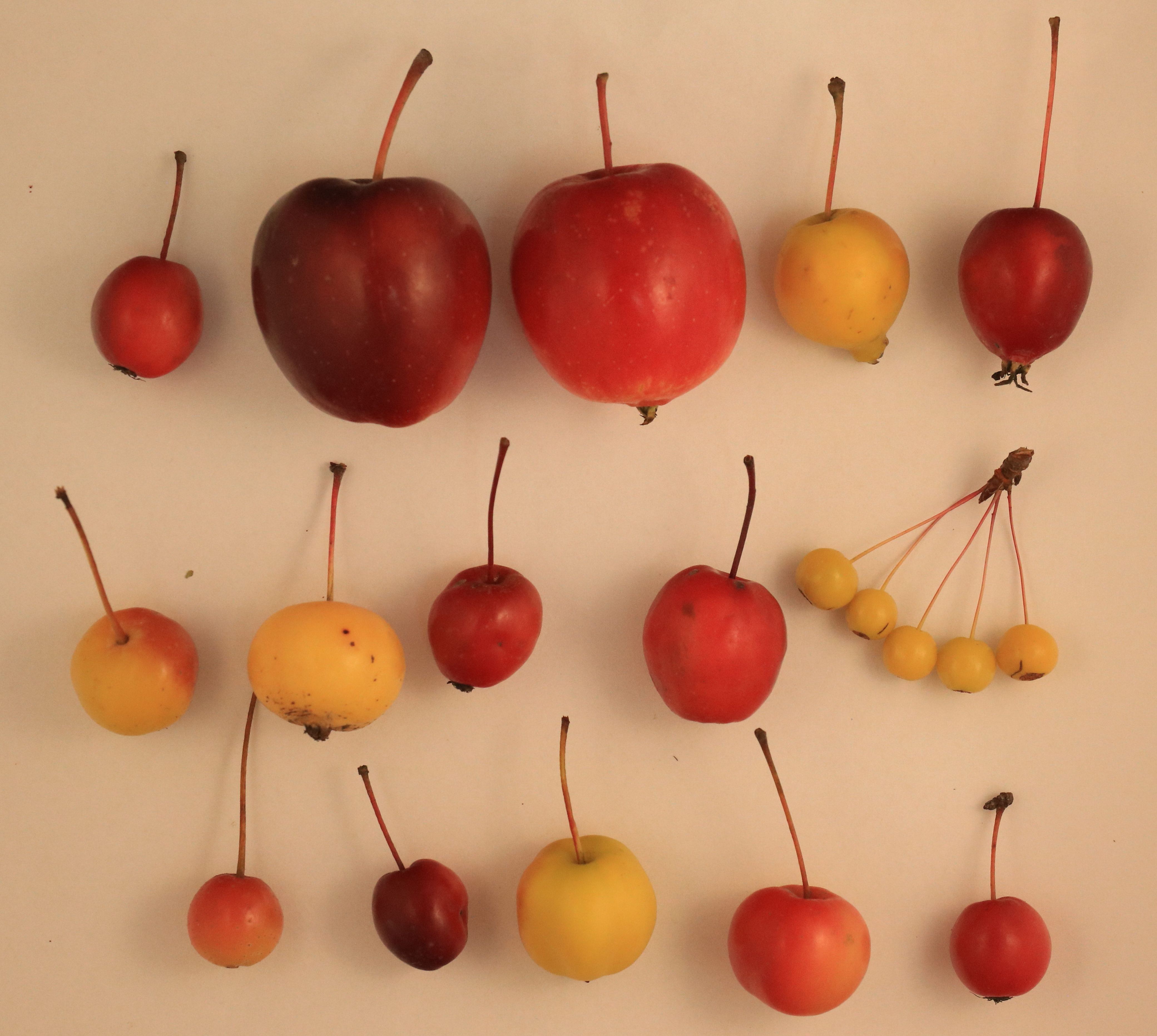
The latest issue of Kórniczanin (No. 18/2025, p. 14) features an article titled “Seeds in the Bank” by Dr. Mikołaj K. Wawrzyniak, published in the series “News from the Kórnik Gardens.” The text highlights the importance of seed banks in protecting plant biodiversity and securing genetic resources for the future. It draws attention to the effects of climate change and intensive agriculture, which contribute to the loss of many traditional crop varieties. The author describes how modern storage methods – including drying, freezing, and cryopreservation – help preserve seed viability for many years. The article also emphasizes the growing role of local and community seed banks that protect old varieties and foster biodiversity in home gardens.
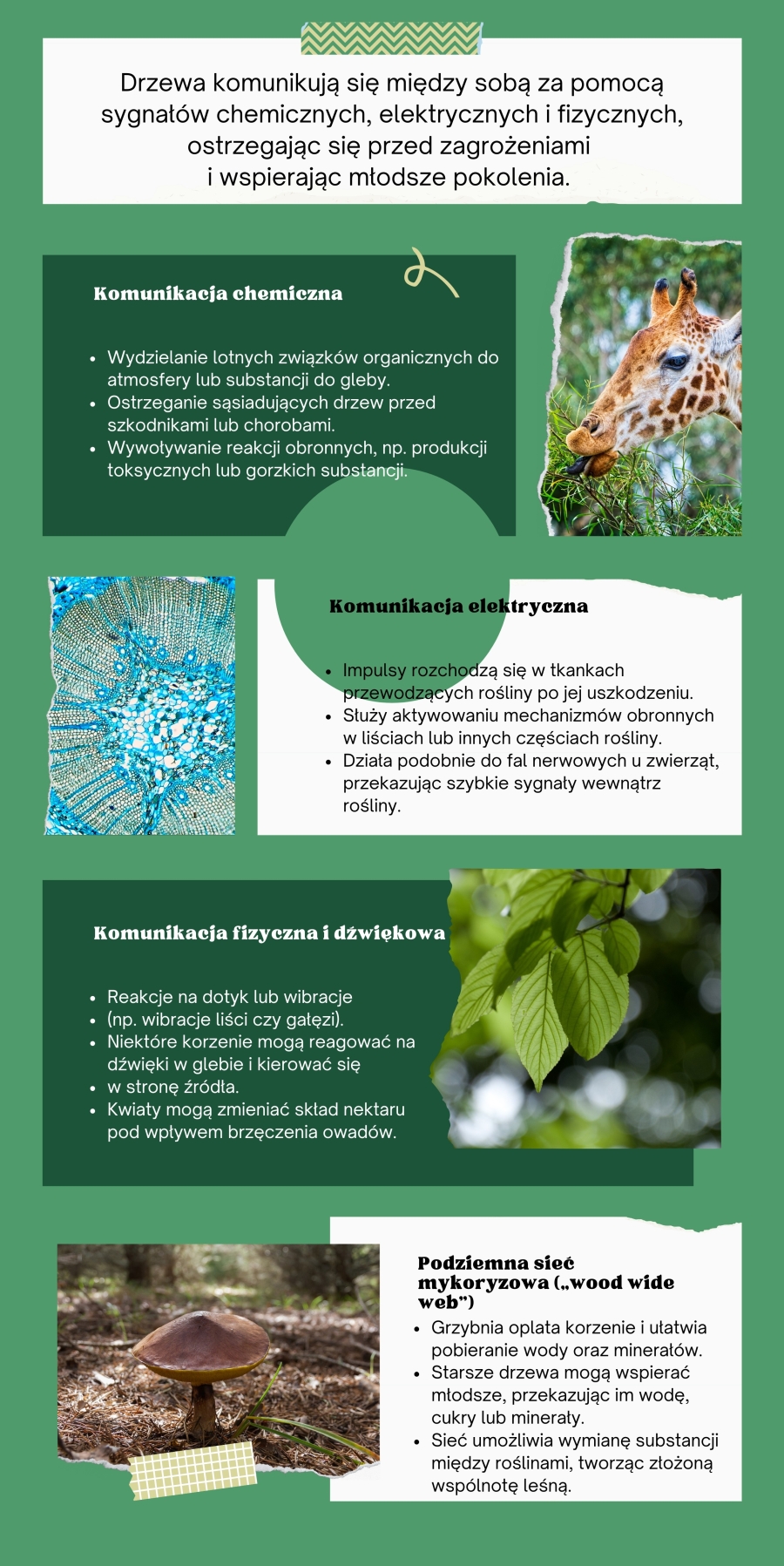
In the latest issue of “Kórniczanin” (No. 17/2025, pp. 14–15), an article from the series “News from the Kórnik Gardens” has been published under the title “The Whisper of the Forest – Can Trees Communicate?”. The authors – Tomasz Grześkowiak, Ewelina Ratajczak, and Hanna Fuchs present current scientific insights into the remarkable communication strategies of trees. The paper describes how trees exchange information through chemical signals, electrical impulses, and underground mycorrhizal networks connecting their roots. Such interactions enable them to warn one another of potential threats, share resources with younger seedlings, and even cooperate across species. The article portrays the forest not as a collection of isolated organisms, but as a dynamic and interdependent community, where silence conceals a constant and complex dialogue of life.
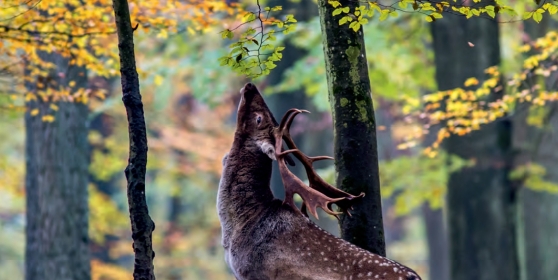
„Echa Leśne” to kwartalnik przyjaciół lasu, który ukazuje się od 1924 roku. W tradycyjnym papierowym wydaniu dostępny jest bezpłatnie w siedzibach wszystkich nadleśnictw Lasów Państwowych, w ośrodkach edukacyjnych, szkoleniowych i wypoczynkowych LP, w siedzibach parków narodowych, oddziałach Polskiego Towarzystwa Turystyczno-Krajoznawczego oraz schroniskach młodzieżowych.
Aktualny numer oraz numery archiwalne (od 2012 r.) w wersji elektronicznej można znaleźć tutaj: https://www.lasy.gov.pl/pl/informacje/echa-lesne.
Zachęcamy do przeczytania całego numeru, szczególnie zaś felietonu prof. Andrzeja M. Jagodzińskiego pt. „Dudki, dëtczi i bejmy”. Tekst nawiązuje do dłuższego artykułu red. Agnieszki Niewińskiej pt. „Z leśnym wsparciem mogą więcej”, zamieszczonego w tym samym numerze (3/2025). Miłej lektury!
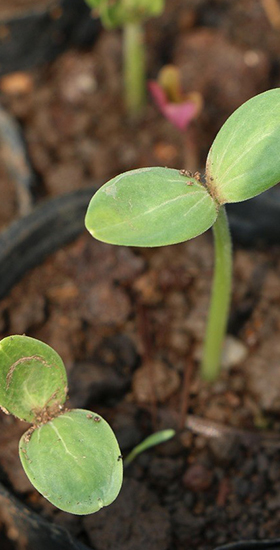
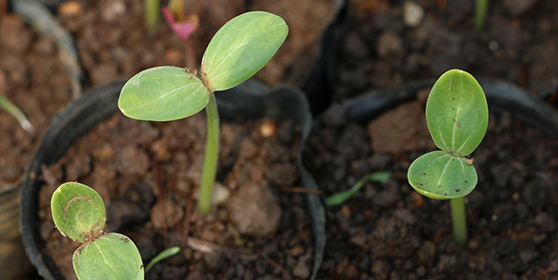
The latest issue of Kórniczanin (No. 16/2025, p. 14) features an article from the series News from the Kórnik Gardens entitled Oxidative window – the boundary between life and death of seeds. Its authors – Aleksandra Setecka, Hanna Fuchs, and Ewelina Ratajczak – present the fascinating world of reactive oxygen species (ROS). Although they are mainly associated with cell destruction, in plants they also perform a signaling function, triggering the germination process. The so-called “oxidative window,” i.e., the range of ROS concentrations that determines whether a seed will come to life or die, is of key importance. This knowledge has great practical significance – it allows for a better understanding of both seed storage and the mechanisms of plant germination in the garden, in the field, or in the forest.