

- Details
- Written by: Ewelina Ratajczak, Hanna Fuchs
- Category: Popular science article
- Hits: 881
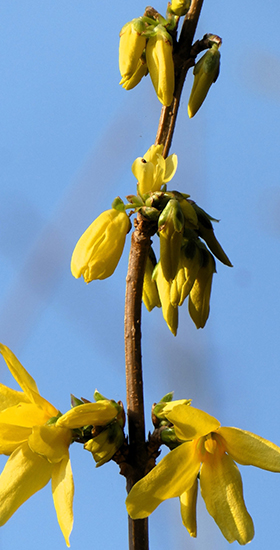
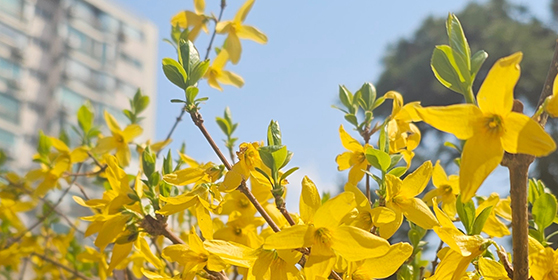
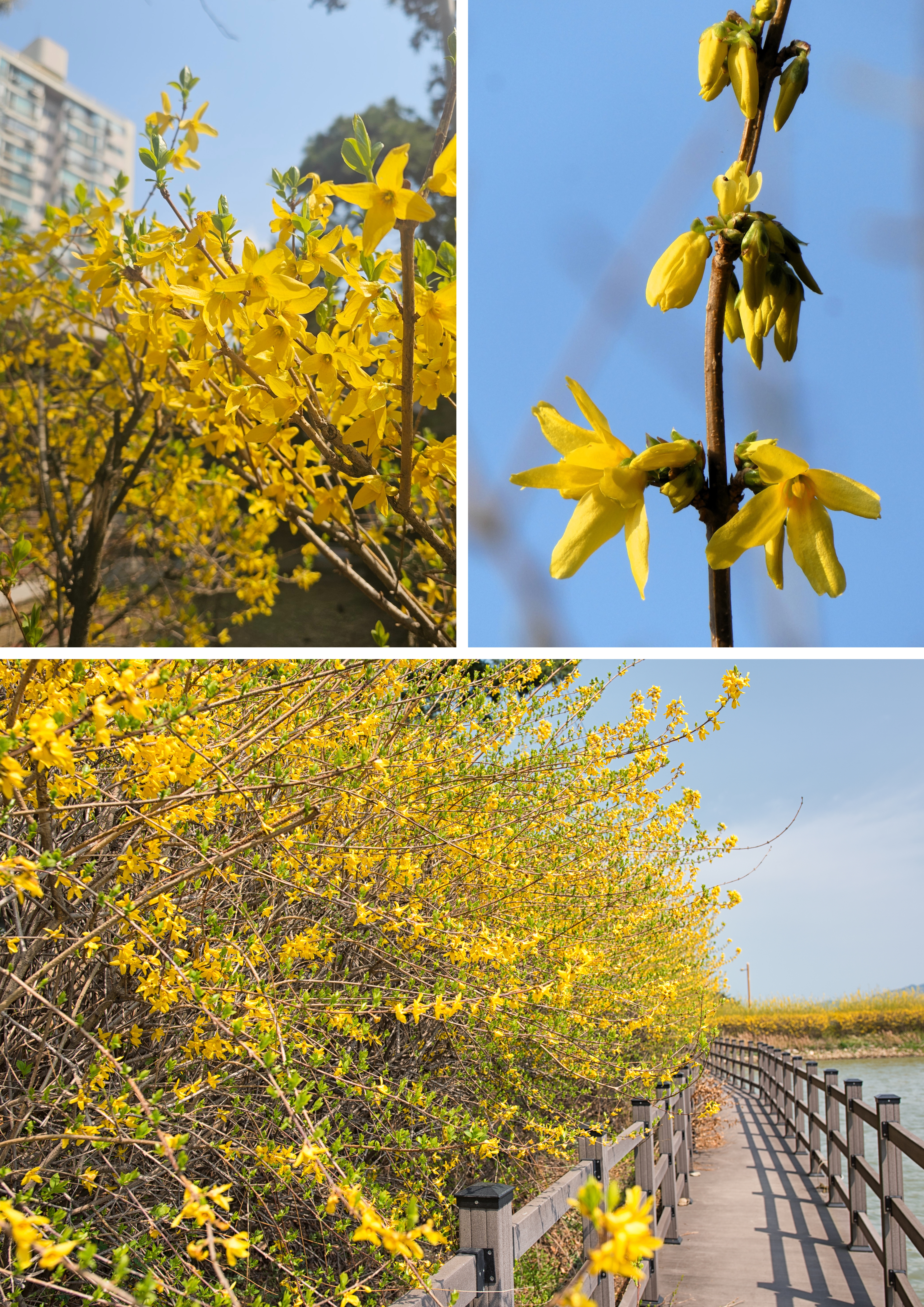
In the biweekly magazine “Kórniczanin” of 3 April 2026 (p. 13), an article by Ewelina Ratajczak and Hanna Fuchs entitled “What Does Forsythia Hide?” was published as part of the series “News from the Kórnik Gardens.”
Could one of the most recognizable signs of spring possess properties that go far beyond its ornamental value? The authors reveal that forsythia, known for its vivid yellow flowers, is a source of compounds with antioxidant, anti-inflammatory, and immune-supporting potential. The article also discusses its possible effects on gut microbiota and processes related to oxidative stress. Although research is still ongoing, this plant is already gaining new significance. It is an invitation to look at a familiar shrub from a completely different—scientific and surprising—perspective.
- Details
- Written by: Elwira Nawrocka
- Category: Popular science article
- Hits: 583
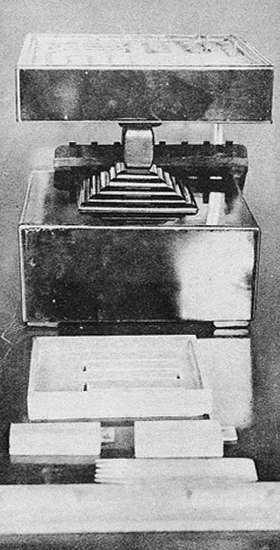

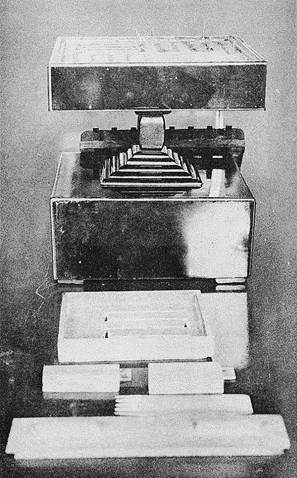
W dwutygodniku „Kórniczanin” nr 4/2026, s. 12 ukazał się artykuł Elwiry Nawrockiej z Instytutu Dendrologii PAN pt. „Czas pachnący kadzidłem”, przygotowany w cyklu „Wiadomości z Ogrodów Kórnickich”. Autorka przybliża w nim historię i działanie zegarów zapachowych, znanych także jako kadzidlane, używanych w Chinach od VI w. n.e., a następnie rozpowszechnionych w Japonii i Korei. Omawia ich znaczenie w praktykach religijnych i życiu dworskim oraz wyjaśnia mechanizm odmierzania czasu poprzez kontrolowane spalanie mieszanin drewna, żywic i surowców roślinnych.
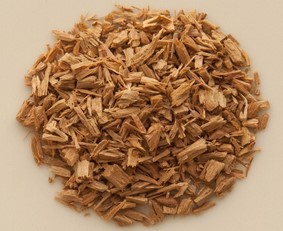


W tekście przedstawiono także botaniczne pochodzenie najcenniejszych składników kadzideł, takich jak sandałowiec indyjski (Santalum album) i drzewa z rodzaju Aquilaria zwracając uwagę na ich biologię oraz zagrożenia wynikające z nadmiernej eksploatacji. Artykuł łączy zagadnienia historii techniki, etnobotaniki i ochrony przyrody, ukazując rolę roślin aromatycznych w kulturze Azji Wschodniej oraz współczesne konteksty ich wykorzystania.
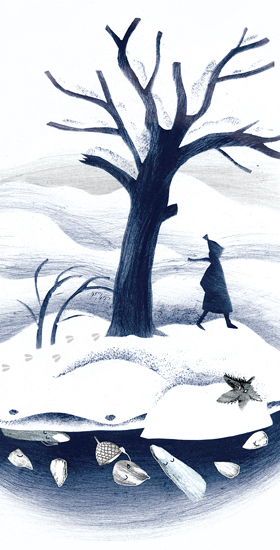
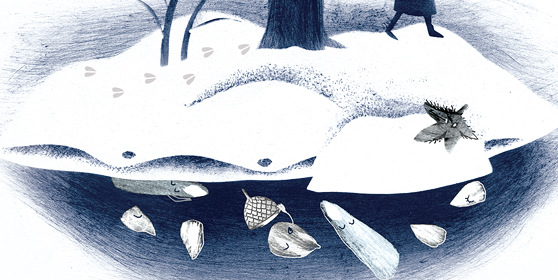
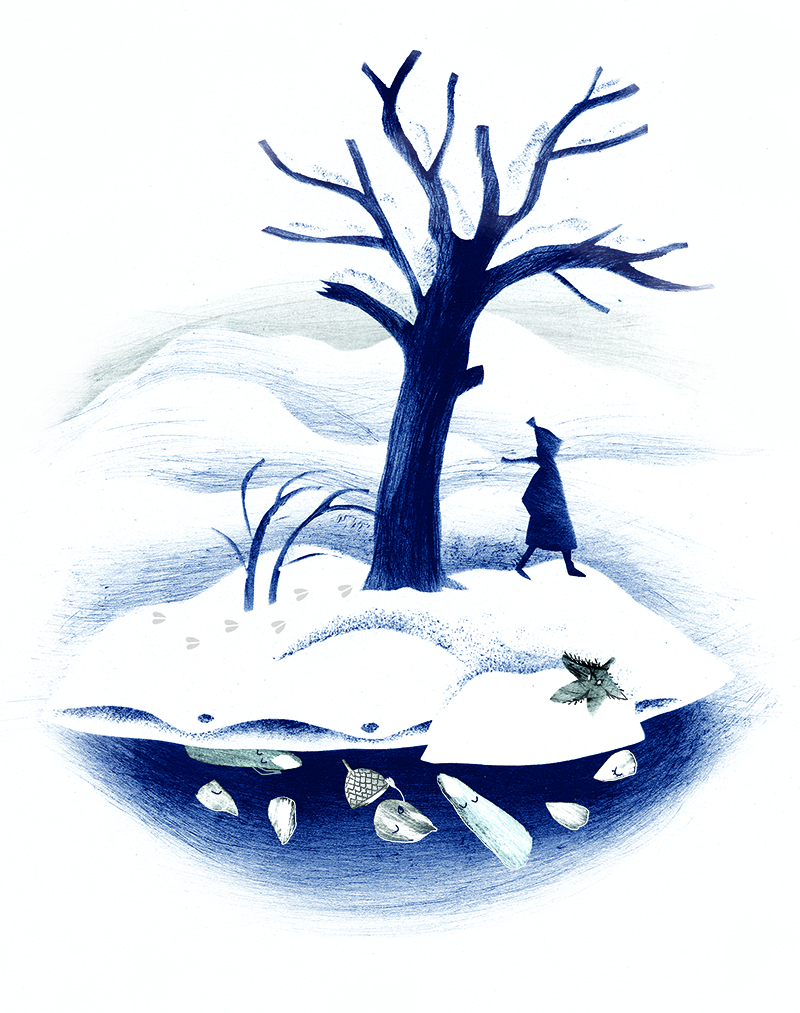
In the biweekly magazine Kórniczanin, issue no. 3/2026 of 6 February 2026 (pp. 12–13), an article by Maciej Rajek from the Institute of Dendrology, Polish Academy of Sciences, entitled “Beneath a Snowy Blanket, and Sometimes a Heavy Quilt” was published as part of the series “News from the Kórnik Gardens.”
In the article, the author outlines the adaptive mechanisms that enable trees to cope with winter conditions, explaining the significance of dormancy and the physiological processes that allow plants to survive low temperatures. Particular attention is devoted to the role of snow cover as a natural thermal insulator of soil and root systems, as well as its impact on mycorrhiza, seed germination, and seedling development. The article also discusses the adverse effects of heavy snow and temperature fluctuations, along with the consequences of increasingly mild winters for natural tree regeneration and the functioning of forest ecosystems. The text combines scientific insight with an accessible narrative that highlights the importance of winter conditions for forest resilience and sustainability.
- Details
- Written by: Andrzej M. Jagodziński
- Category: Popular science article
- Hits: 847
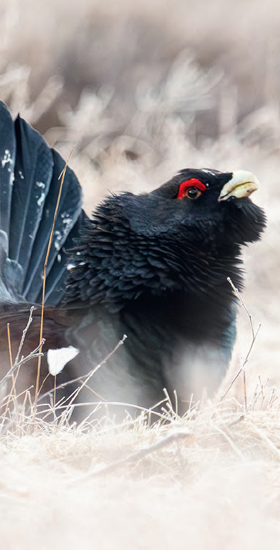
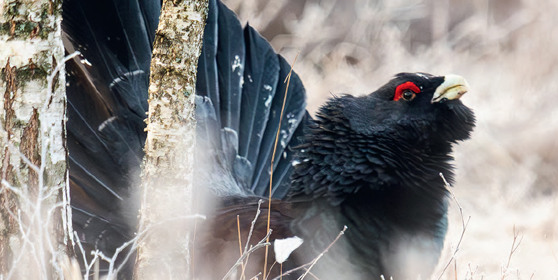
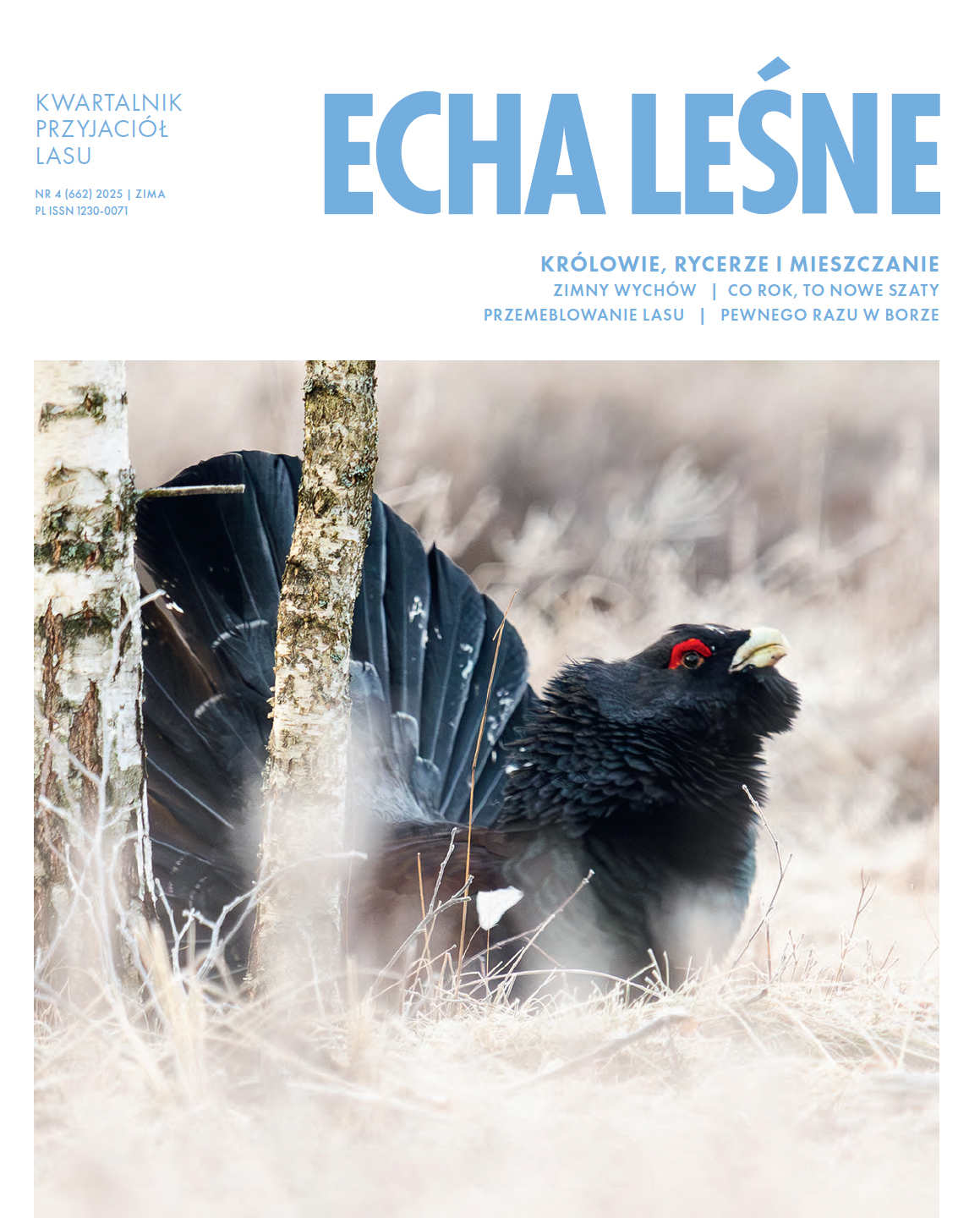
W „Echach Leśnych” (4/2025) ukazał się kolejny felieton prof. Andrzeja M. Jagodzińskiego. Tekst opublikowany został w stałej rubryce „Głośnym Echem” i jest nawiązaniem do artykułu red. Bogumiły Grabowskiej pt. „Przemeblowanie lasu”.
Tym razem prof. Jagodziński pisze o tym, co mu się śni po nocach…
„Echa Leśne” to kwartalnik przyjaciół lasu, który ukazuje się od 1924 roku. W wydaniu papierowym dostępny jest bezpłatnie w siedzibach wszystkich nadleśnictw Lasów Państwowych, w ośrodkach edukacyjnych, szkoleniowych i wypoczynkowych LP, w siedzibach parków narodowych, oddziałach Polskiego Towarzystwa Turystyczno-Krajoznawczego oraz schroniskach młodzieżowych. Aktualny numer oraz numery archiwalne (od 2012 r.) w wersji elektronicznej można znaleźć tutaj: https://www.lasy.gov.pl/pl/informacje/echa-lesne.
Zachęcamy do przeczytania całego numeru. Miłej lektury!
Link do „Ech Leśnych” w wersji elektronicznej:
https://www.lasy.gov.pl/pl/informacje/echa-lesne


In the latest issue of “Kórniczanin” (No. 17/2025, pp. 14–15), an article from the series “News from the Kórnik Gardens” has been published under the title “The Whisper of the Forest – Can Trees Communicate?”. The authors – Tomasz Grześkowiak, Ewelina Ratajczak, and Hanna Fuchs present current scientific insights into the remarkable communication strategies of trees. The paper describes how trees exchange information through chemical signals, electrical impulses, and underground mycorrhizal networks connecting their roots. Such interactions enable them to warn one another of potential threats, share resources with younger seedlings, and even cooperate across species. The article portrays the forest not as a collection of isolated organisms, but as a dynamic and interdependent community, where silence conceals a constant and complex dialogue of life.