
































In issue 16/2026 of “Kórniczanin”, on page 14, another article from the series “News from the Kórnik Gardens” was published. The article, entitled “The Secret Life of Trees: The Hidden Power Below Ground”, was written by Joanna Mucha from the Institute of Dendrology, Polish Academy of Sciences.
The author draws attention to a part of tree functioning that usually remains hidden from view – the root system. Tree growth and survival depend on the close coordination between aboveground and belowground organs, although each of them may respond to different environmental factors. The activity of leaves and needles is strongly influenced by day length, while root growth and functioning largely depend on soil temperature.
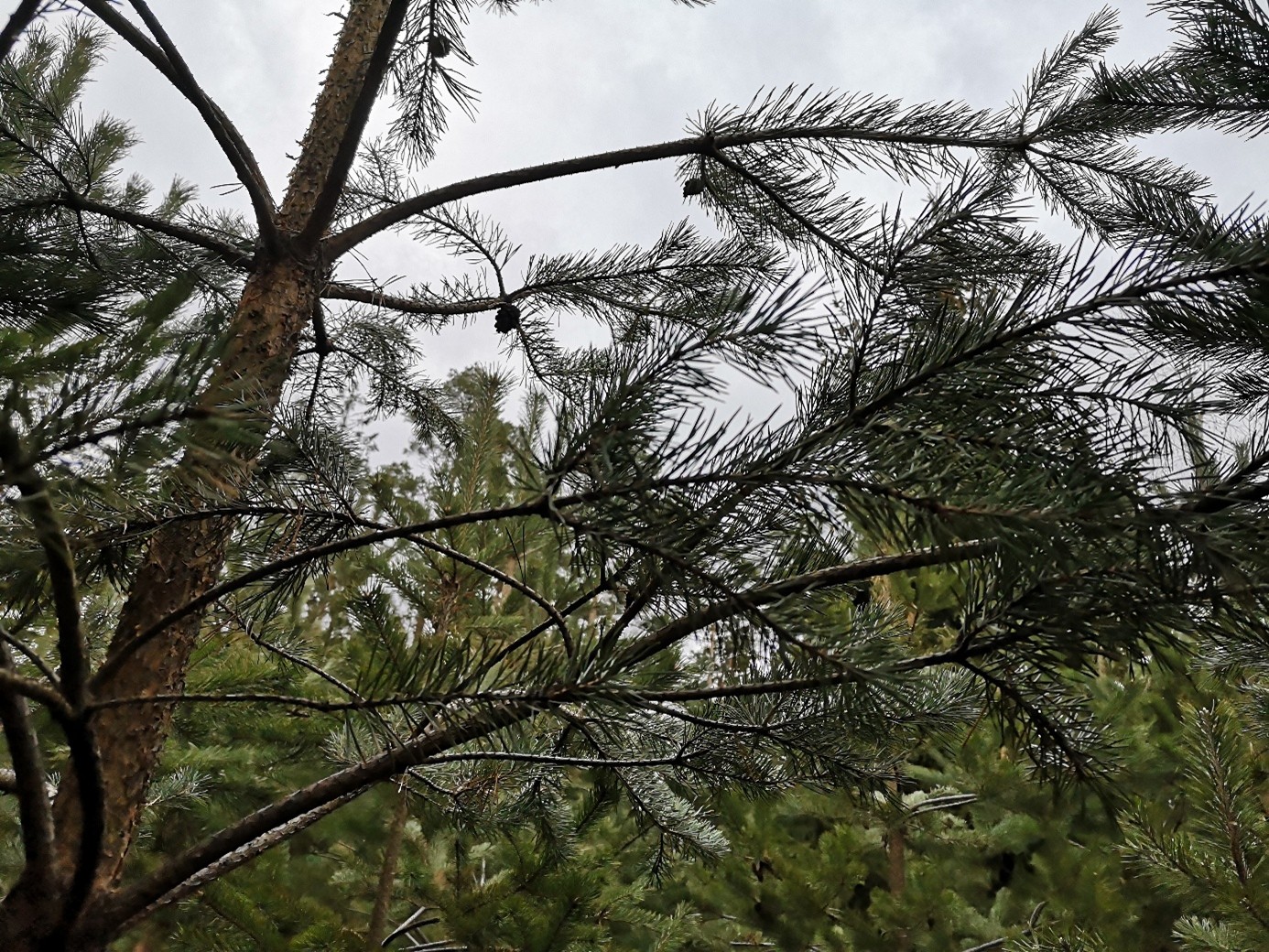
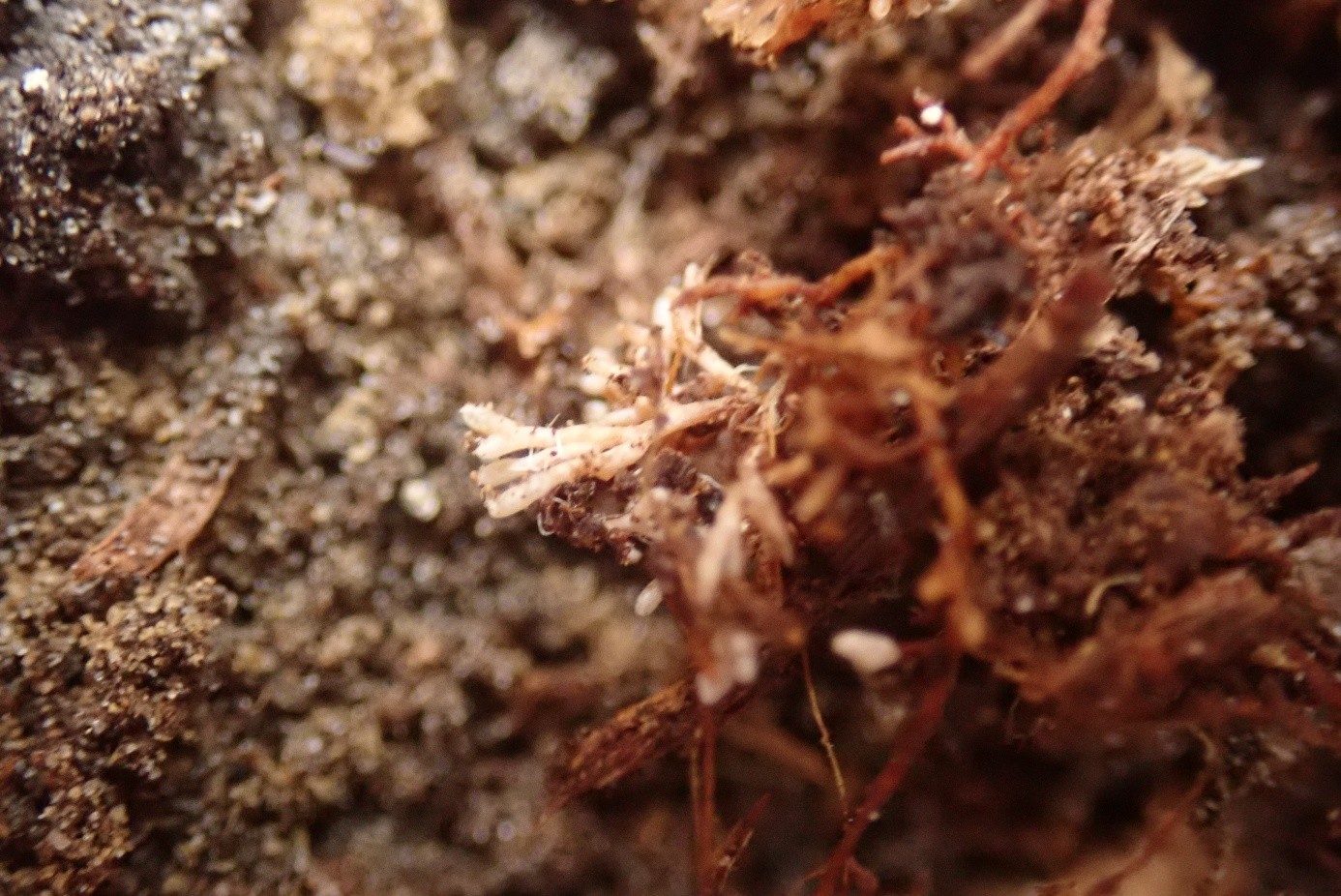
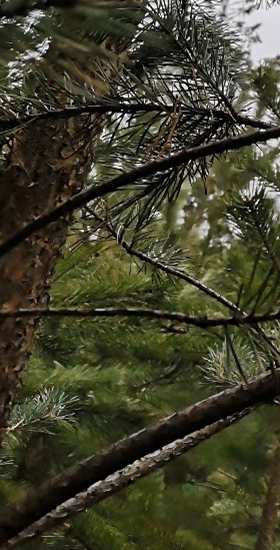
The article uses Scots pine, a species distributed across a vast area of Eurasia, as an example of how trees adapt to contrasting environmental conditions. Populations originating from different parts of the species’ range have developed different growth strategies and ways of allocating resources. Root development and cooperation with mycorrhizal fungi, which support the uptake of water and nutrients, play an important role in these adaptations.
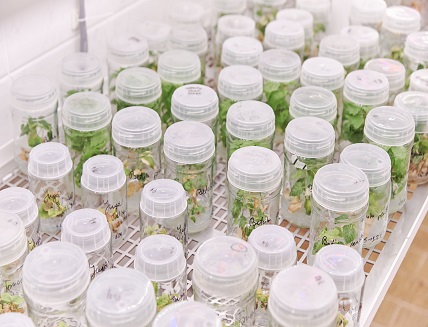
The article also explains the value of “common garden” experiments, in which trees from different geographic origins are grown under the same environmental conditions. Such studies help researchers distinguish between the effects of the current environment and genetically determined traits. They show that trees moved to a new environment do not simply lose the characteristics associated with their origin. Instead, their response reflects a combination of genetic adaptation and present growing conditions.
Understanding these relationships is particularly important in the context of climate change. The article reminds us that to understand how trees respond and adapt to their environment, we need to look not only at what happens in their crowns, but also at the processes taking place beneath the soil surface.