


Keynote Speakers
PhD Habil. Olena Blinkova - Department of Ecology
https://www.idpan.poznan.pl/en-us/our-employees/o-blinkova

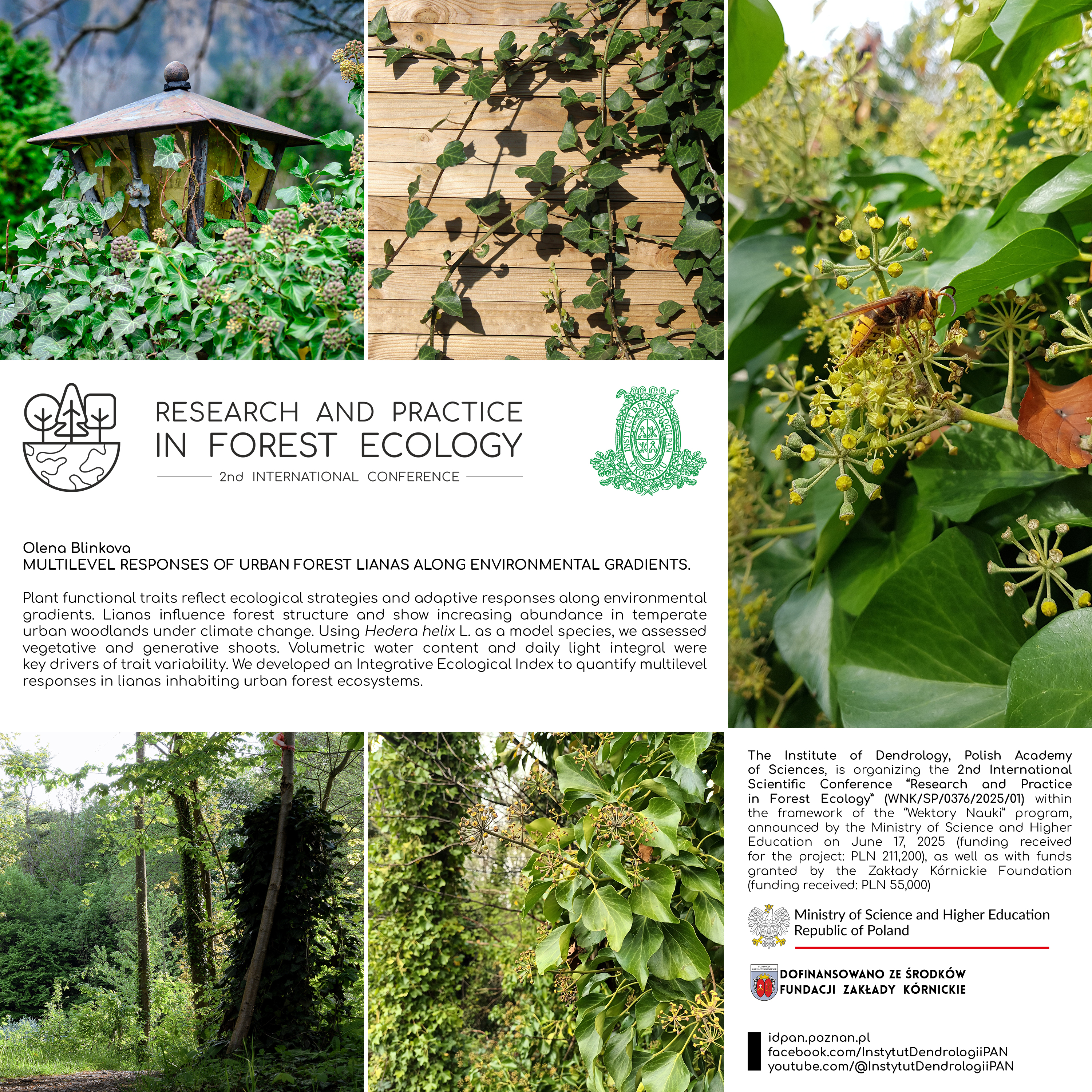
Multilevel responses of urban forest lianas along environmental gradients
Plant functional traits reflect ecological strategies and adaptive responses along environmental gradients. Lianas influence forest structure and show increasing abundance in temperate urban woodlands under climate change. Using Hedera helix L. as a model species, we assessed vegetative and generative shoots. Volumetric water content and daily light integral were key drivers of trait variability. We developed an Integrative Ecological Index to quantify multilevel responses in lianas inhabiting urban forest ecosystems.
PhD Habil. Marzenna Guzicka - Department of Ecology
https://www.idpan.poznan.pl/en-us/our-employees/m-guzicka

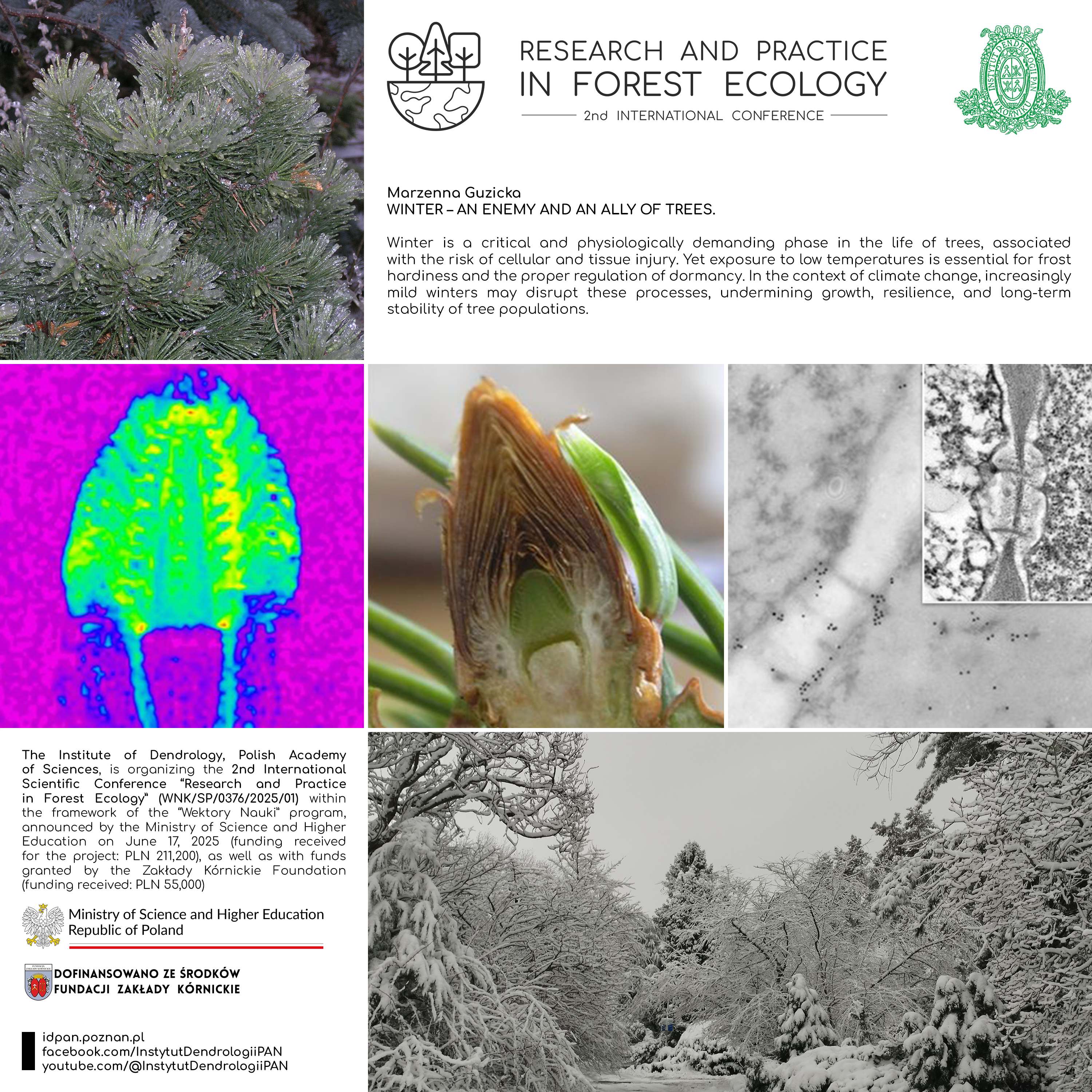
Winter – enemy and ally of trees
Winter is a critical and physiologically demanding phase in the life of trees, associated with the risk of cellular and tissue injury. Yet exposure to low temperatures is essential for frost hardiness and the proper regulation of dormancy. In the context of climate change, increasingly mild winters may disrupt these processes, undermining growth, resilience, and long-term stability of tree populations.
PhD Habil. Teresa Hazubska Przybył - Department of Developmental Biology
https://www.idpan.poznan.pl/en-us/our-employees/t-hazubska-przybyl

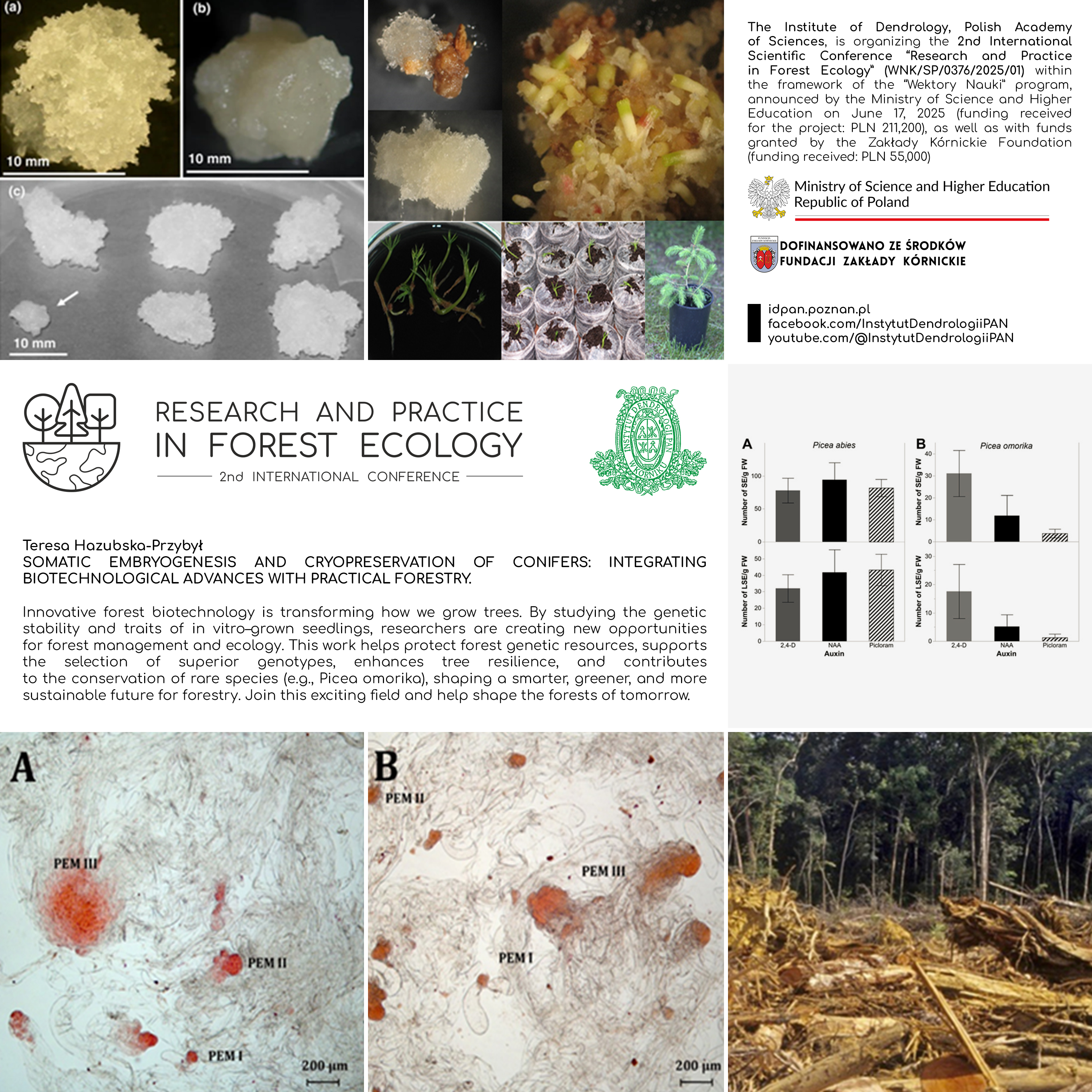
Forest innovation in action: from lab techniques to greener futures
Innovative forest biotechnology is transforming how we grow trees. By studying the genetic stability and traits of in vitro–grown seedlings, researchers are creating new opportunities for forest management and ecology. This work helps protect forest genetic resources, supports the selection of superior genotypes, enhances tree resilience, and contributes to the conservation of rare species (e.g., Picea omorika), shaping a smarter, greener, and more sustainable future for forestry. Join this exciting field and help shape the forests of tomorrow.
PhD Habil. Leszek Karliński, Prof. ID PAS - Department of Symbiotic Associations
https://www.idpan.poznan.pl/en-us/our-employees/l-karlinski

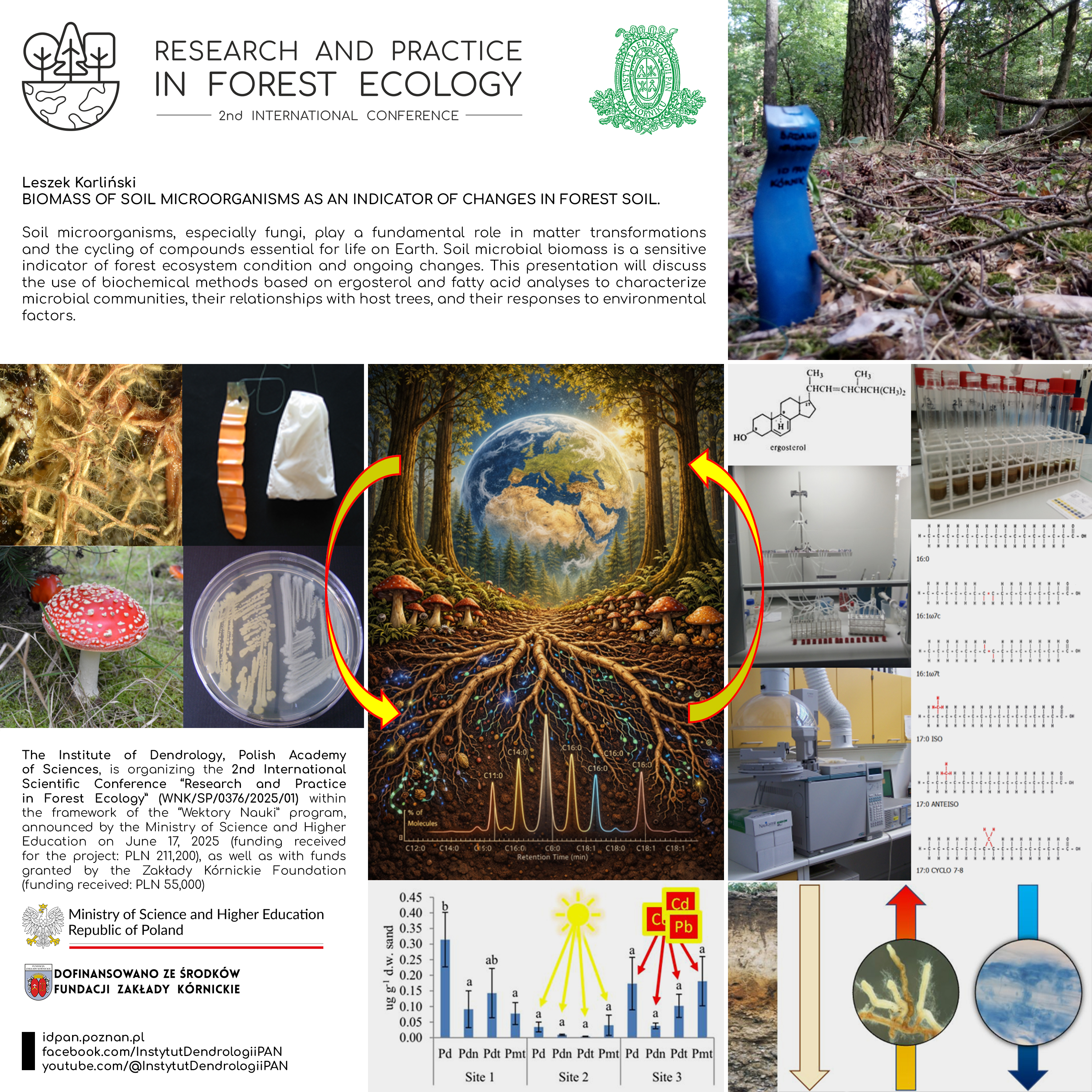
Biomass of soil microorganisms as a marker of changes in soil forest environment
Soil microorganisms, especially fungi, play a fundamental role in matter transformations and the cycling of compounds essential for life on Earth. Soil microbial biomass is a sensitive indicator of forest ecosystem condition and ongoing changes. This presentation will discuss the use of biochemical methods based on ergosterol and fatty acid analyses to characterize microbial communities, their relationships with host trees, and their responses to environmental factors.
PhD Marta Kujawska - Department of Symbiotic Associations
https://www.idpan.poznan.pl/en-us/our-employees/m-kujawska

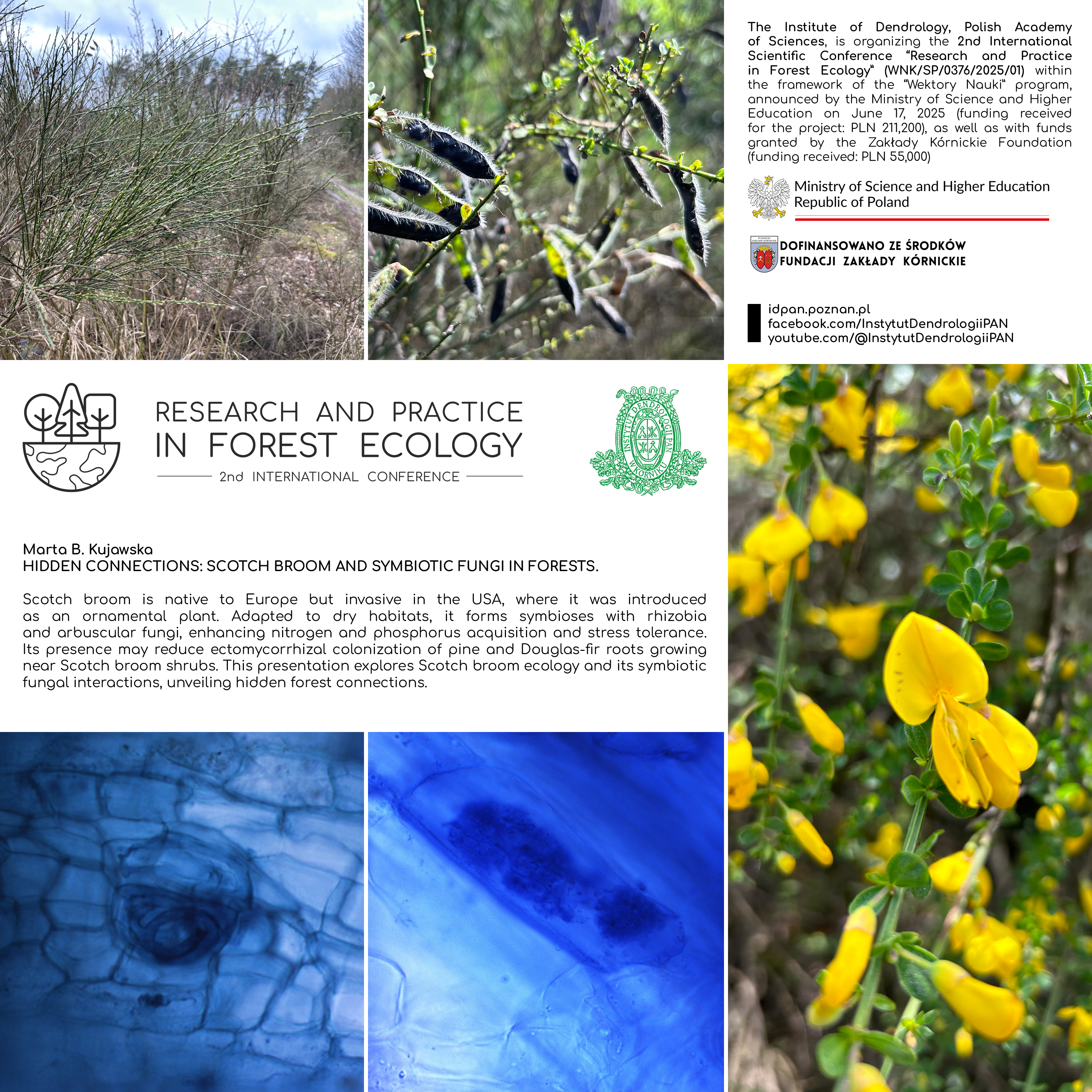
Hidden connections: Scotch broom and symbiotic fungi in forests
Scotch broom is native to Europe but invasive in the USA, where it was introduced as an ornamental plant. Adapted to dry habitats, it forms symbioses with rhizobia and arbuscular fungi, enhancing nitrogen and phosphorus acquisition and stress tolerance. Its presence may reduce ectomycorrhizal colonization of pine and Douglas-fir roots growing near Scotch broom shrubs. This presentation explores Scotch broom ecology and its symbiotic fungal interactions, unveiling hidden forest connections.
PhD Francesco Latterini - Department of Ecology
https://www.idpan.poznan.pl/en-us/our-employees/f-latterini
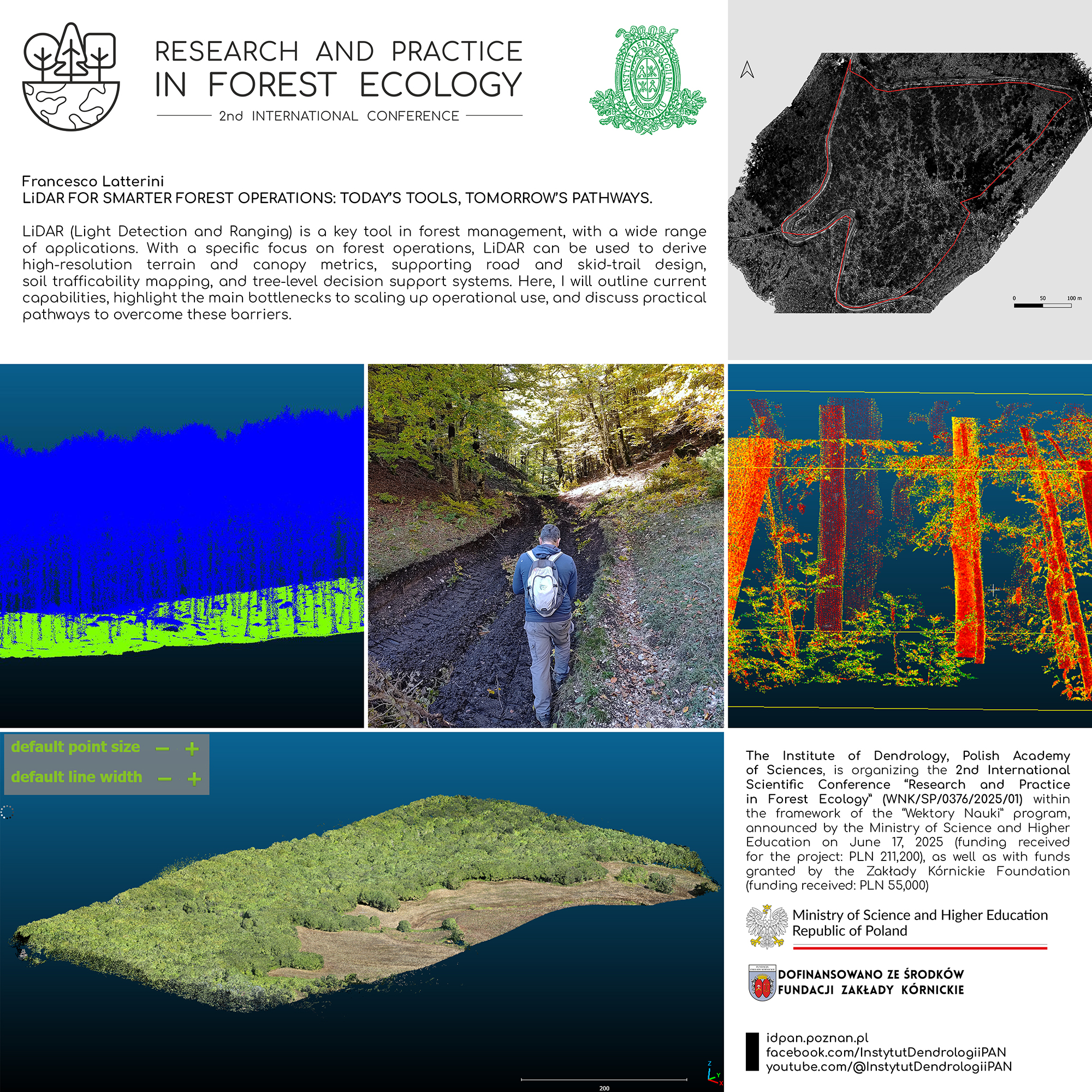
LiDAR for smarter forest operations: today’s tools, tomorrow’s pathways
LiDAR (Light Detection and Ranging) is a key tool in forest management, with a wide range of applications. With a specific focus on forest operations, LiDAR can be used to derive high-resolution terrain and canopy metrics, supporting road and skid-trail design, soil trafficability mapping, and tree-level decision support systems. Here, I will outline current capabilities, highlight the main bottlenecks to scaling up operational use, and discuss practical pathways to overcome these barriers.
PhD Habil. Tomasz Leski, Prof. ID PAS - Department of Symbiotic Associations
https://www.idpan.poznan.pl/en-us/our-employees/t-leski
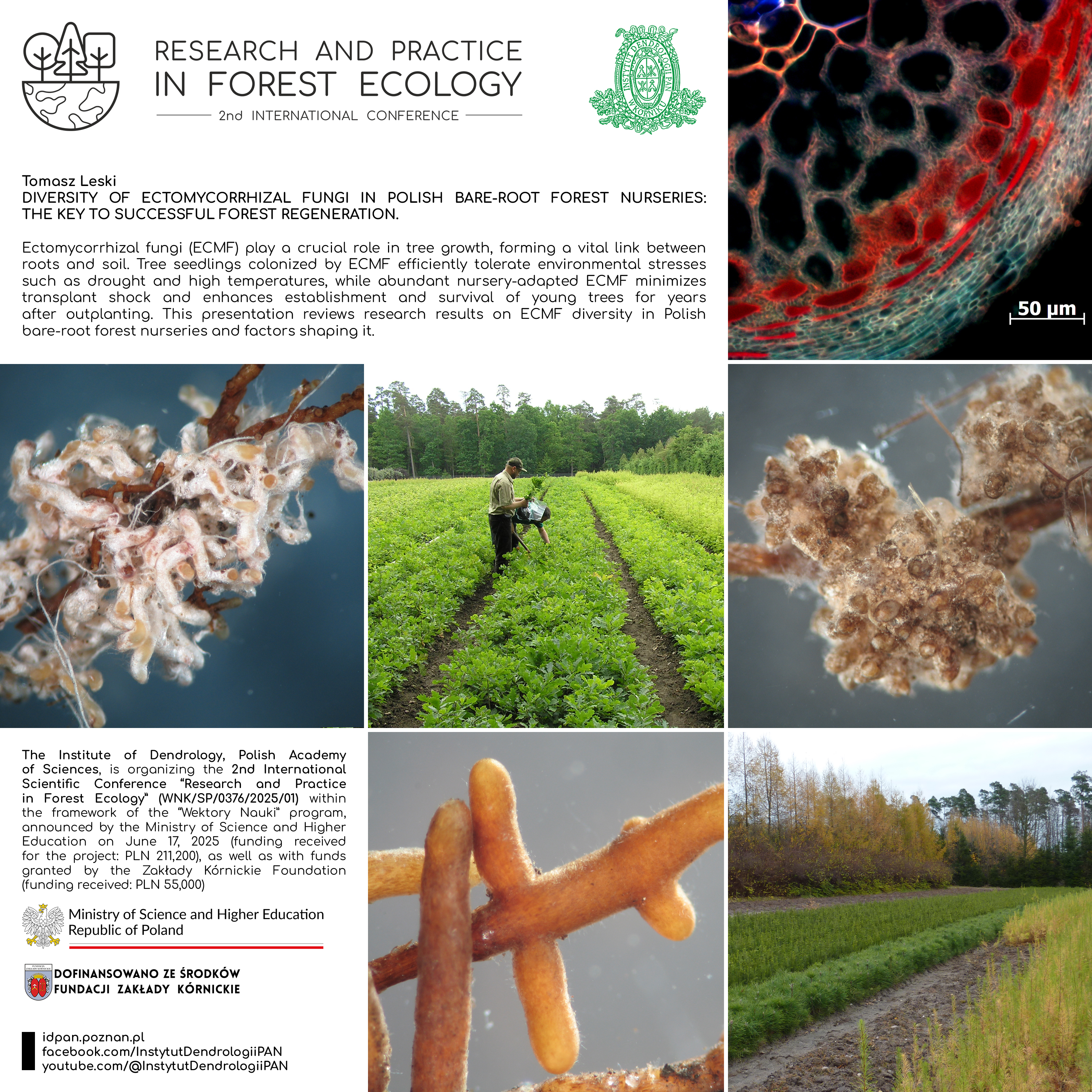
Diversity of ectomycorrhizal fungi in Polish bare-root forest nurseries: key to successful forest regeneration
Ectomycorrhizal fungi (ECMF) play a crucial role in tree growth, forming a vital link between roots and soil. Tree seedlings colonized by ECMF efficiently tolerate environmental stresses such as drought and high temperatures, while abundant nursery-adapted ECMF minimizes transplant shock and enhances establishment and survival of young trees for years after outplanting. This presentation reviews research results on ECMF diversity in Polish bare-root forest nurseries and factors shaping it.
PhD Habil. Joanna Mucha, Prof. ID PAS - Department of Ecology
https://www.idpan.poznan.pl/en-us/our-employees/j-mucha

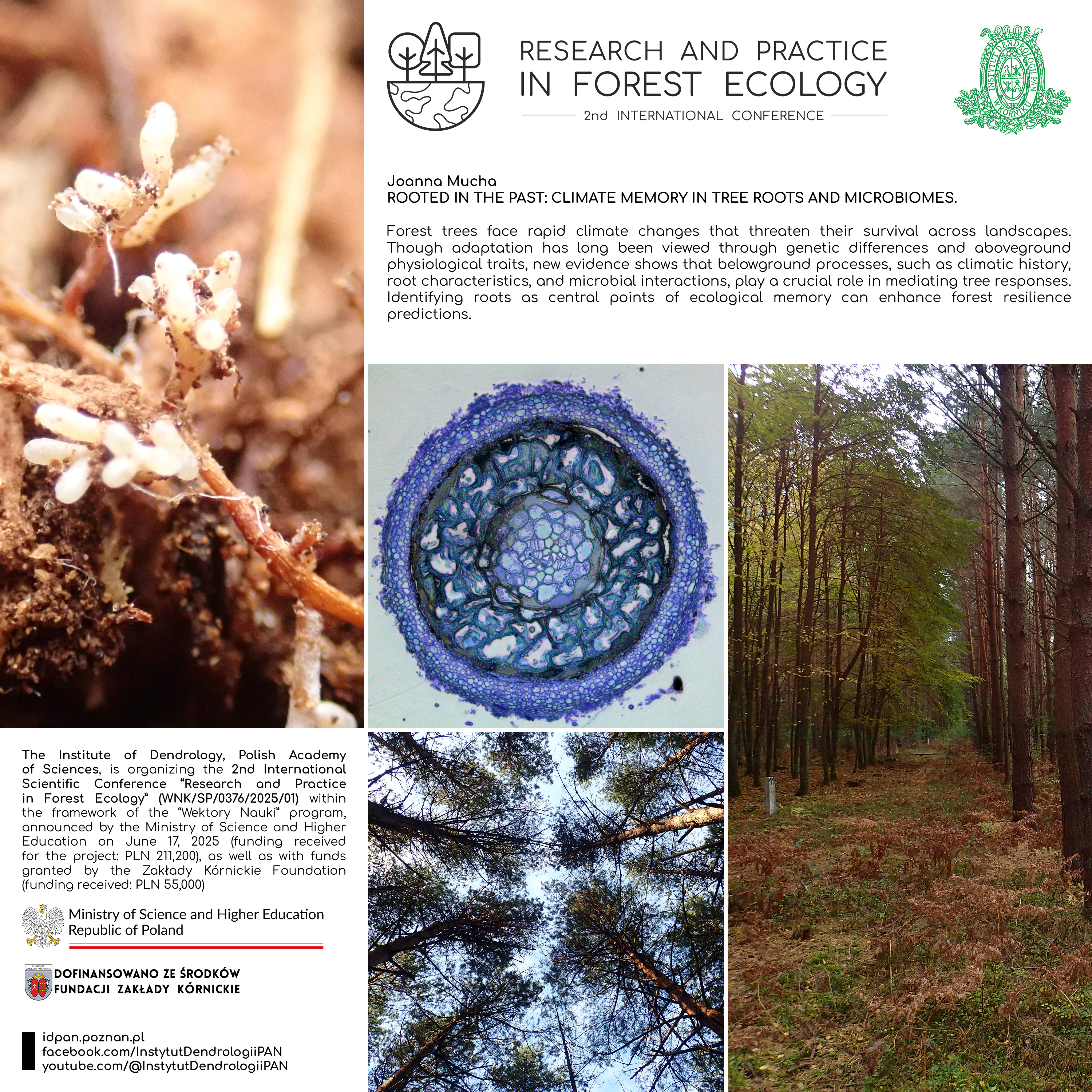
Rooted in the past: climate memory in tree roots and microbiomes
Forest trees face rapid climate changes that threaten their survival across landscapes. Though adaptation has long been viewed through genetic differences and aboveground physiological traits, new evidence shows that belowground processes, such as climatic history, root characteristics, and microbial interactions, play a crucial role in mediating tree responses. Identifying roots as central points of ecological memory can enhance forest resilience predictions.
PhD Habil. Emilia Pers-Kamczyc, Prof. ID PAS - Department of Genetics and Environmental Interactions
https://www.idpan.poznan.pl/en-us/our-employees/e-pers-kamczyc
Does plant sex matter? Dioecious plants in the face of environmental change
Dioecious plants may experience varying effects of global change, which may be related to sexual dimorphism, particularly under conditions of drought stress, climate warming, and nitrogen deposition. Although male and female plants contribute differently to reproduction, future species conservation strategies may need to account for sex-specific differences resulting from unequal reproductive costs. The lecture will explore how dioecious plants respond to climate and environmental change.
PhD Katarzyna Sękiewicz - Department of Biogeography and Systematics
https://www.idpan.poznan.pl/en-us/our-employees/k-sekiewicz
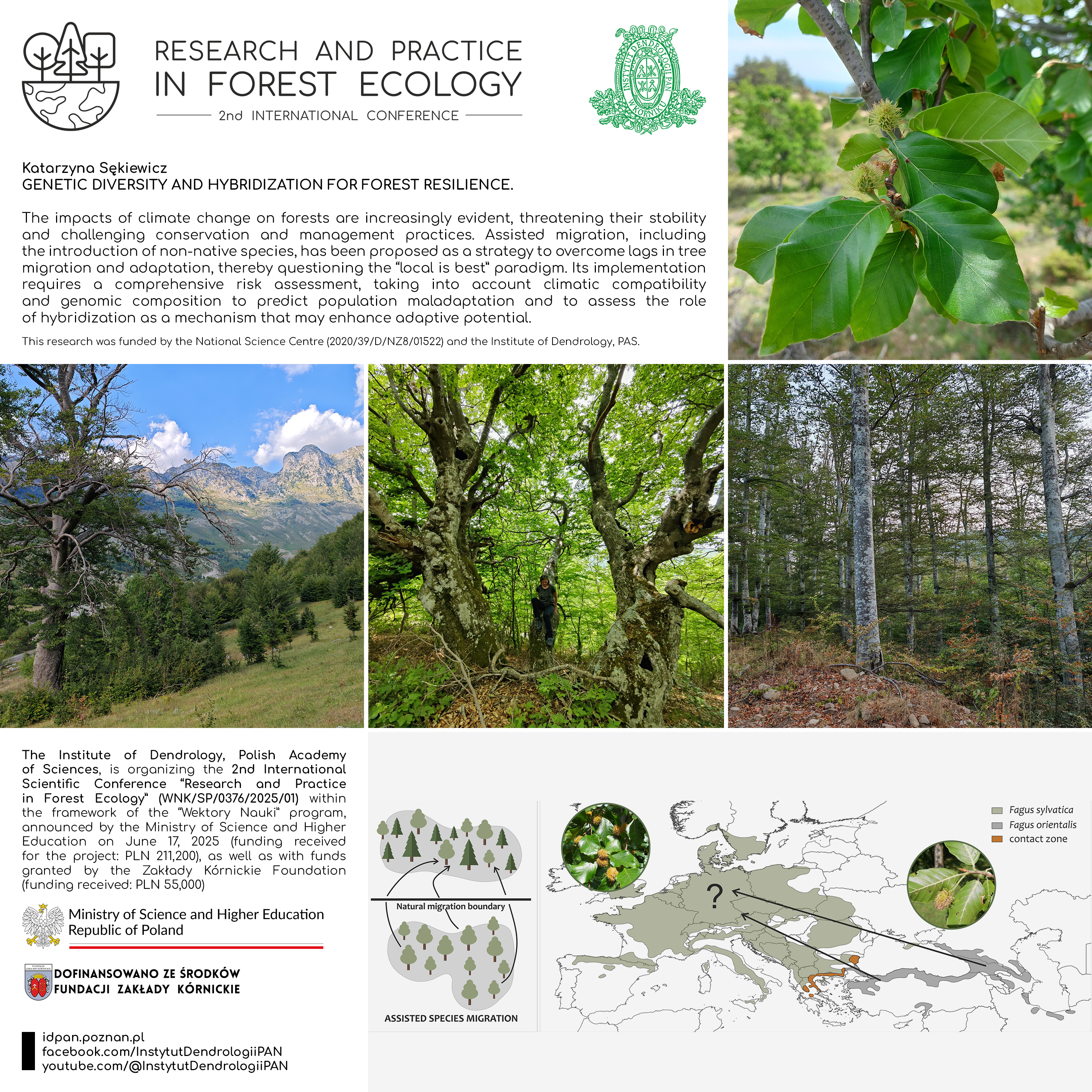
Genetic diversity and hybridisation for forest resilience
The impacts of climate change on forests are increasingly evident, threatening their stability and challenging conservation and management practices. Assisted migration, including the introduction of non-native species, is proposed as a strategy to overcome lags in trees migration and adaptation, questioning the “local is best” paradigm. Its implementation requires comprehensive risk assessment, considering climatic compatibility and genomic composition to predict population maladaptation and to assess the role of hybridisation as a mechanism enhancing adaptive potential.
PhD Habil. Agnieszka Szuba - Department of Genetics and Environmental Interactions
https://www.idpan.poznan.pl/en-us/our-employees/a-szuba

Understanding tree physiological function and acquisition of abiotic stress tolerance: role of biochemical and omics analyses
Biochemical indicators such as antioxidants, osmoprotectants, phenolics, leaf pigments, or carbohydrate composition, together with high-throughput metabolomic and proteomic profiling, provide powerful tools to reveal tree responses to abiotic stress. Changes in molecular status may reflect adaptive metabolic reorganization or exceeded tree tolerance thresholds, revealing causes of observed phenotypic changes. Integrating biochemical and omics data supports understanding of tree function and sustainable forest management.
PhD Habil. Dominik Tomaszewski, Prof. ID AS - Department of Biogeography and Systematics
https://www.idpan.poznan.pl/en-us/our-employees/d-tomaszewski
Big Data fuels Botanical Time Machine
Big Data is transforming biodiversity records into a powerful framework for understanding plant life across time and space. By integrating herbarium specimens, citizen science observations, and global platforms such as GBIF, we can reconstruct past plant distributions, uncover historical collecting patterns, and model future responses to climate change. This talk explores how linking collections with diverse data sources advances plant science in the era of collectomics and global environmental change.
PhD Eng. Mikołaj Wawrzyniak - Department of Developmental Biology
https://www.idpan.poznan.pl/en-us/our-employees/m-wawrzyniak

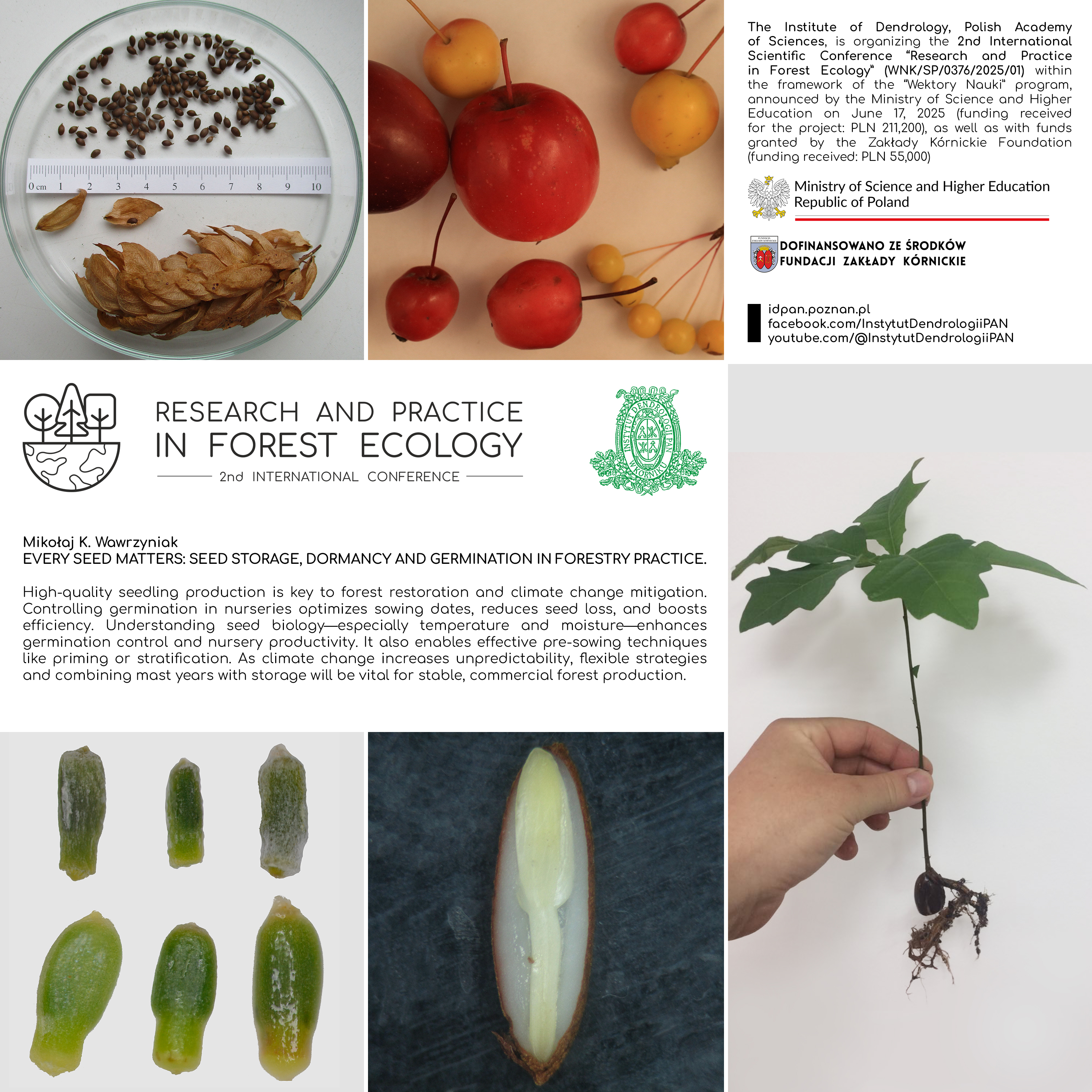
Every seed matters: seed storage, dormancy and germination in forestry practice
Successful regeneration, both natural and artificial, heavily depends on the quality of seeds. Seeds are perfectly adapted to survive in a wide range of environmental conditions. However, successful germination depends on their ability to correctly interpret environmental cues and germinate under the most favourable conditions. Advances in seed science, which help us better understand seed physiology, can contribute to more effective ecosystem management and its ex situ protection.
PhD Weronika Żukowska - Department of Genetics and Environmental Interactions
https://www.idpan.poznan.pl/en-us/our-employees/w-zukowska

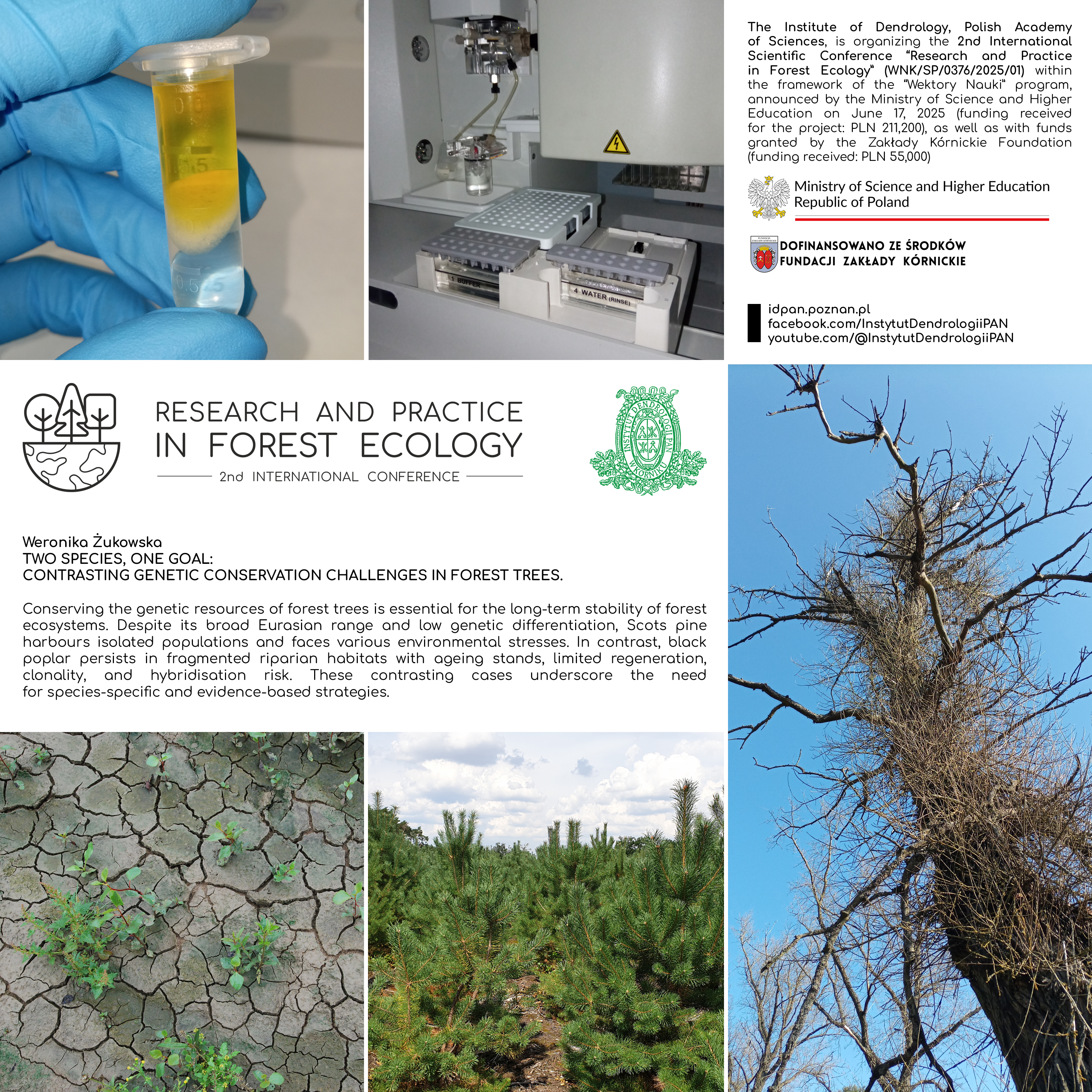
Two species, one goal: contrasting genetic conservation challenges in forest trees
Conserving the genetic resources of forest trees is essential for the long-term stability of forest ecosystems. Despite its broad Eurasian range and low genetic differentiation, Scots pine harbours isolated populations and faces various environmental stresses. In contrast, black poplar persists in fragmented riparian habitats with ageing stands, limited regeneration, clonality, and hybridisation risk. These contrasting cases underscore the need for species-specific and evidence-based strategies.