Project title: “A climate for biodiversity”
Type of project: Social responsibility of science – popularisation of science and promotion of sport
Name of programme: Social Responsibility of Science / Perfect Science
Project carried out in the years 2022-2023 as part of the “Social responsibility of science” programme established by the Ministry of Education and Science (SONP/SP/513422/2021) with the support of the Kórnik Municipality and the Zakłady Kórnickie Foundation
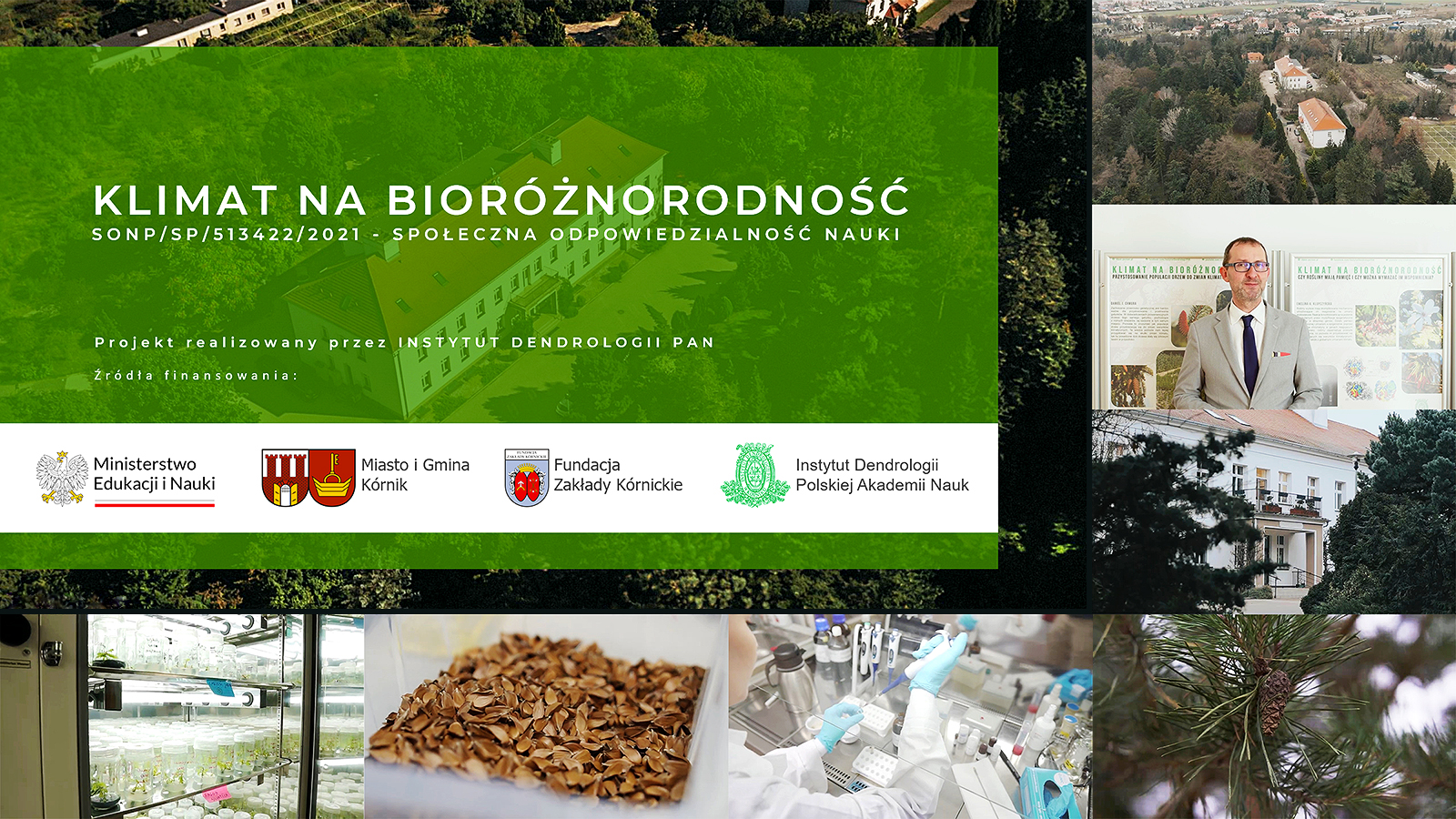
Goal: The goal of the project was to raise public awareness of the causes and effects of global climate change. It continues to be a controversial subject, with contradictory information coming from the media, and opinions being divided on whether climate protection efforts are profitable. The data collected by the Institute of Dendrology, Polish Academy of Sciences, not only reflects what we currently know about climate, but also highlights an urgent need for action. Our experts have presented the latest research findings and explained
what contributes to climate change and what are its consequences.
The project’s goal was not only to popularise science and research accomplishments of the Institute of Dendrology, Polish Academy of Sciences, but also to promote the work of our scientists and disseminate their research findings. In addition, the project elevated the Institute’s recognisability in Poland and internationally.
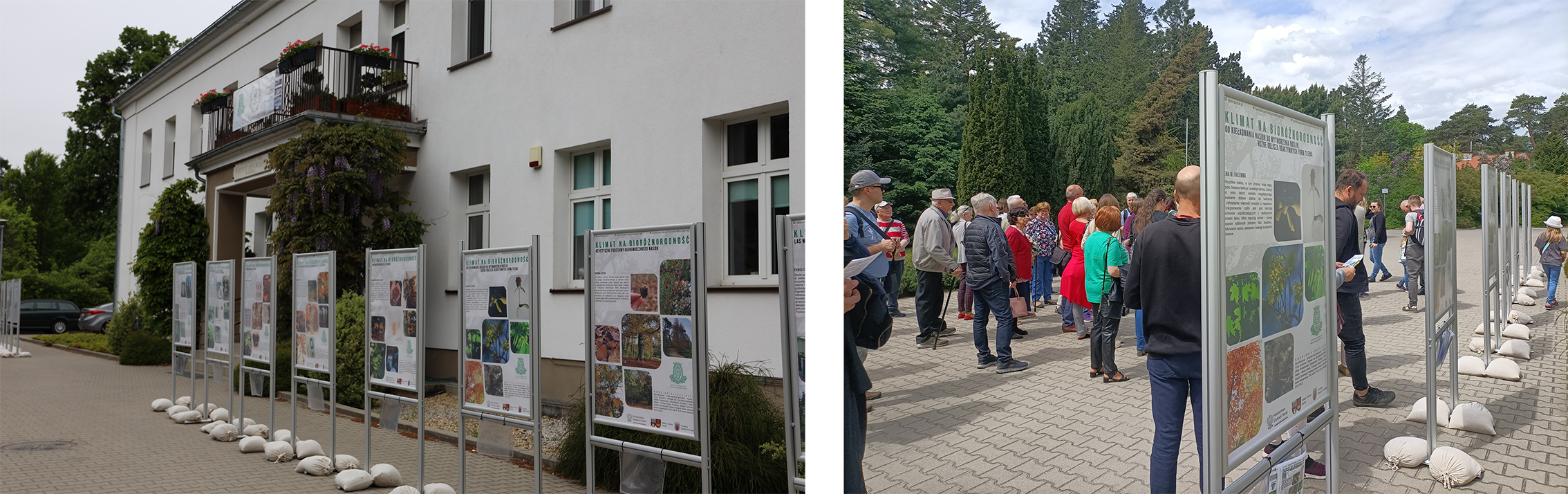
Project implementation: The project intended to reach a wide audience regionally (temporary exhibitions at the Institute’s Arboretum, attracting over 100,000 visitors annually), nationally (posting videos on the website and social media, promotional materials with Polish subtitles) and internationally (promotional materials featuring English subtitles published on the Institute’s website and social media).
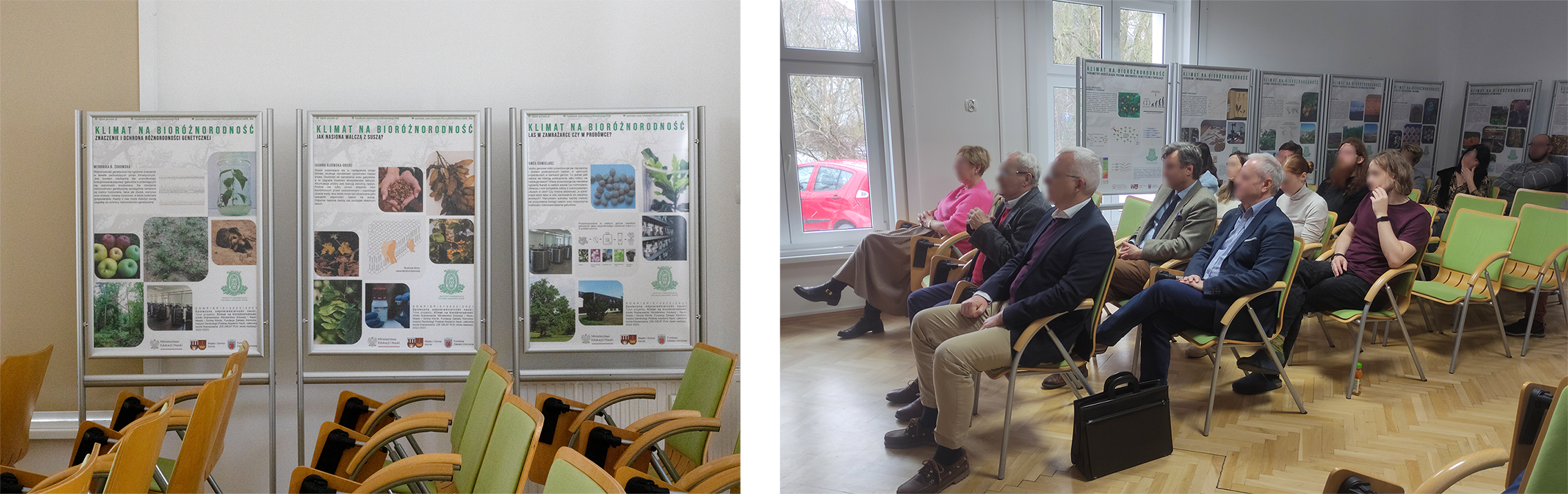
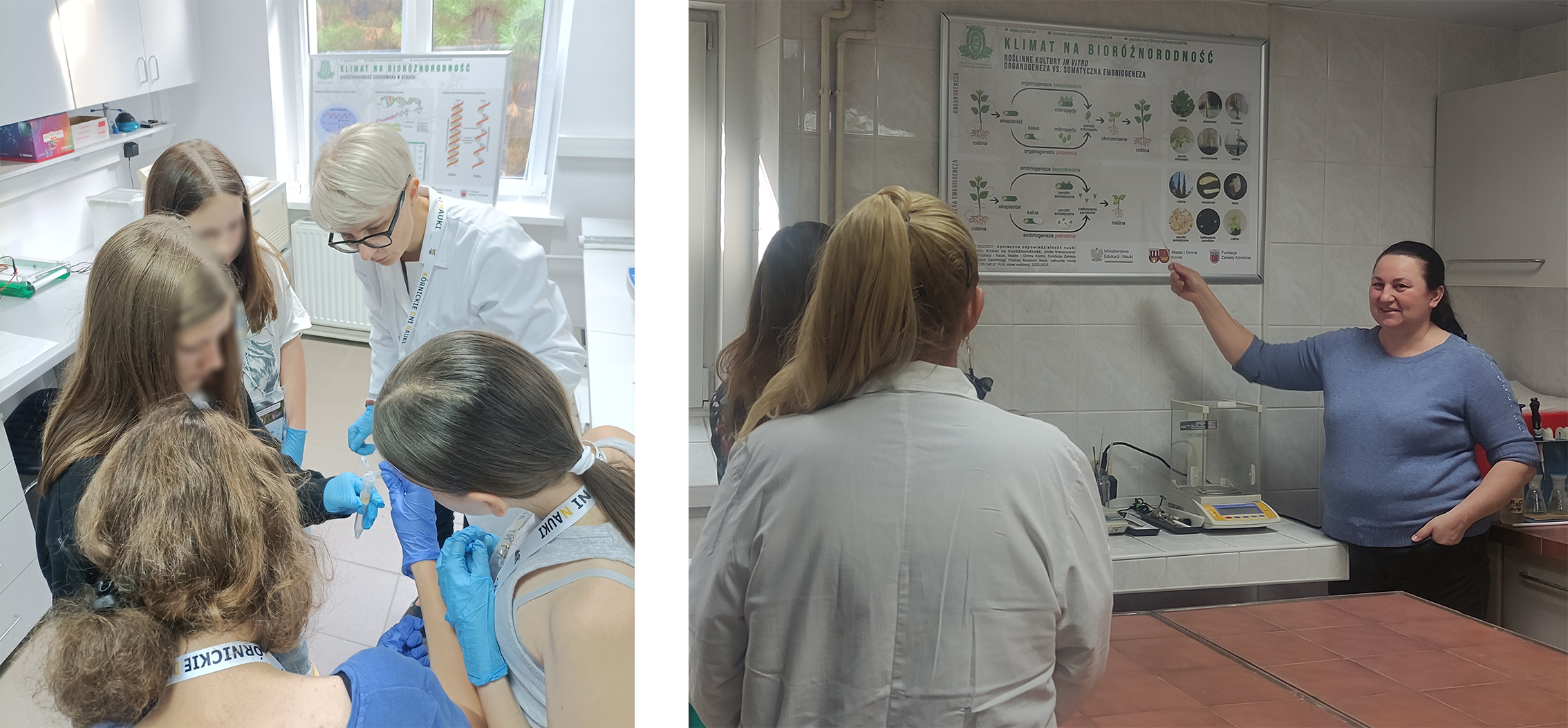
The project measures were divided into two phases. A total of 42 lectures and 18 workshops were organised and recorded to be published as audiovisual materials on the website and social media (Facebook, YouTube) of the Institute of Dendrology, Polish Academy of Sciences, as well as in the form of periodic, internal and external exhibitions of posters and educational boards. The project was mentioned, among others, in local press at a scientific conference organised by the Institute and during guest lectures delivered by our scientists in other institutions.
LECTURES:
- Climate and the diversity and occurrence of fungi. (Original title: Klimat a różnorodność i występowanie grzybów). Dr. Habil. Marcin Pietras, Prof. ID PAS. (Associate Professor) [watch here: YouTube]
- How will climate change affect mushroom picking? (Original title: Jak zmiany klimatu wpłyną na koszyk grzybiarza?). Dr. Marta B. Kujawska. [watch here: YouTube]
- Hypogeous fungi in a changing climate. (Original title: Grzyby podziemne a zmieniający się klimat). Dr. Robin Wilgan. [watch here: YouTube]
- Where the forest begins. Ectomycorrhiza in forest nurseries. (Original title: Tam, gdzie zaczyna się las. O mykoryzie w szkółkach leśnych). Prof. Maria Rudawska. [watch here: YouTube]
- A forest without fungi. Is it possible? (Original title: Las bez grzybów. Czy jest to możliwe?). Dr. Habil. Tomasz Leski, Prof. ID PAS (Associate Professor). [watch here: YouTube]
- Living on an oak tree – a local biodiversity hotspot. (Original title: Życie na dębie – lokalny hotspot bioróżnorodności). Prof. Marian J. Giertych. [watch here: YouTube]
- Extramatrical mycelium of mycorrhizal fungi in the soil. (Original title: Grzybnia ekstramatrykalna grzybów mykoryzowych w glebie). Dr. Habil. Leszek Karliński, Prof. ID PAS (Associate Professor). [watch here: YouTube]
- Could climate change affect the interactions between tree roots and fungi? (Original title: Grzybnia ekstramatrykalna grzybów mykoryzowych w glebie). Dr. Habil. Joanna Mucha, Prof. ID PAS (Associate Professor). [watch here: YouTube]
- Differet climate – different roots. (Original title: Różny klimat – różne korzenie). Dr. Paulina Kościelniak. [watch here: YouTube]
- The forest is not only trees. Understory plants. (Original title: Las to nie tylko drzewa. Rośliny runa leśnego). Dr. Katarzyna Rawlik. [watch here: YouTube]
- Forest in a freezer or in a test tube? (Original title: Las w zamrażarce czy w probówce?). Prof. Paweł Chmielarz. [watch here: YouTube]
- Climate and tree seed germination. (Original title: Klimat a kiełkowanie nasion drzew). – Prof. Tomasz A. Pawłowski. [watch here: YouTube]
- Biodiversity in a shell. (Original title: Bioróżnorodność w łupince). Dr. Mikołaj K. Wawrzyniak. [watch here: YouTube]
- Will stressed seeds offer us better future? (Original title: Czy zestresowane nasiona zapewnią nam lepszą przyszłość?). Dr. Habil. Ewelina Ratajczak, Prof. ID PAS (Associate Professor). [watch here: YouTube]
- How do seeds fight drought? (Original title: Jak nasiona walczą z suszą?). MSc. Joanna Kijowska-Oberc. [watch here: YouTube]
- From seed germination to plant development. Different faces of reactive oxygen species. (Original title: Od kiełkowania nasion do wytworzenia roślin. Różne oblicza reaktywnych form tlenu). Dr. Habil. Ewa M. Kalemba, Prof. ID PAS (Associate Professor). [watch here: YouTube]
- Genetic basis of seed longevity. (Original title: Genetyczne podstawy długowieczności nasion). Dr. Hanna Fuchs. [watch here: YouTube]
- Molecular research and functioning of trees on a changing environment. (Original title: Badania molekularne a funkcjonowanie drzew w zmieniającym się środowisku). Dr. Habil. Agnieszka Szuba. [watch here: YouTube]
- Somatic embryogenesis as a way to preserve biodiversity of forest tree species. (Original title: Somatyczna embriogeneza jako sposób na zachowanie bioróżnorodności gatunków drzew leśnych). Dr. Habil. Teresa Hazubska-Przybył. [watch here: YouTube]
- Dormancy of tree buds in the era of climate change. (Original title: Spoczynek pąków drzew w dobie zmian klimatycznych). Dr. Habil. Marzenna Guzicka. [watch here: YouTube]
- Significance and conservation of genetic diversity. (Original title: Znaczenie i ochrona różnorodności genetycznej). Dr. Weronika B. Żukowska. [watch here: YouTube]
- Adaptation of tree populations to climate change. (Original title: Przystosowanie populacji drzew do zmian klimatu). Dr. Habil. Daniel J. Chmura, Prof. ID PAS (Associate Professor). [watch here: YouTube]
- Do plants have memory and can it be erased? (Original title: Czy rośliny mają pamięć i czy można wymazać im wspomnienia?). Dr. Ewelina Klupczyńska. [watch here: YouTube]
- Understanding the “hard drive” of pines. (Original title: Zrozumieć „twardy dysk” sosen). Prof. Witold Wachowiak. [watch here: YouTube]
- Black poplar and climate change. (Original title: Topola czarna a zmiany klimatu). Prof. Andrzej Lewandowski. [watch here: YouTube]
- Horse-chestnut – a relict from the Balkan Peninsula. (Original title: Kasztanowiec zwyczajny – relikt z Półwyspu Bałkańskiego). Dr. Łukasz Walas. [watch here: YouTube]
- Invasive plant species – what helps their spread? (Original title: Inwazyjne gatunki roślin – co pomaga im w ekspansji?). Dr. Habil. Marcin K. Dyderski, Prof. ID PAS (Associate Professor). [watch here: YouTube]
- Common mistletoe: Robin Hood or Dracula? (Original title: Jemioła pospolita. Robin Hood czy Drakula?). Prof. Grzegorz Iszkuło. [watch here: YouTube]
- Brambles in Poland’s vegetation. (Original title: Jeżyny w szacie roślinnej Polski). Dr. Piotr Kosiński. [watch here: YouTube]
- Genetic variability and adaptive potential of forest tree populations. (Original title: Zmienność genetyczna a potencjał adaptacyjny populacji drzew leśnych). Dr. Błażej Wójkiewicz. [watch here: YouTube]
- Elms, biodiversity, climate. (Original title: Wiązy, bioróżnorodność, klimat). Dr. Anna Napierała-Filipiak. [watch here: YouTube]
- Nitrogen deposition and biodiversity. (Original title: Depozycja azotu a bioróżnorodność). Dr. Habil. Emilia Pers-Kamczyc, Prof. ID PAS (Associate Professor). [watch here: YouTube]
- The role of sex in plants in a changing environment. (Original title: Rola płci u roślin w zmieniającym się środowisku). Dr. Mariola Rabska. [watch here: YouTube]
- Post-mining areas – from devastation to the richness of nature. (Original title: Obszary pogórnicze: od dewastacji do bogactwa przyrody). Dr. Mateusz Rawlik. [watch here: YouTube]
- Together or separately? How do we write guidelines for the reclamation of post-industrial areas? (Original title: Razem czy osobno? Jak piszemy wytyczne do rekultywacji terenów poprzemysłowych?). Dr. Paweł Horodecki. [watch here: YouTube]
- How will global temperature changes affect insects? (Original title: Jak globalne zmiany temperatury wpłyną na owady?). MSc. Dawid Adamczyk. [watch here: YouTube]
- Citizen science, or how to protect biodiversity on a daily basis. (Original title: Nauka obywatelska, czyli jak chronić różnorodność biologiczną na co dzień). Dr. Sonia Paź-Dyderska. [watch here: YouTube]
- Herbarium – a witness to biodiversity. (Original title: Herbarium – świadek bioróżnorodności). Dr. Habil. Dominik Tomaszewski, Prof. ID PAS (Associate Professor). [watch here: YouTube]
- The share of late wood in Scandinavian pines. (Original title: Udział drewna późnego u sosen ze Skandynawii). Dr. Krzysztof Ufnalski. [watch here: YouTube]
- Junipers around the Mediterranean (junipers on holiday). (Original title: Jałowce wokół Morza Śródziemnego). Prof. Adam Boratyński. [watch here: YouTube]
- Endemic species under climate change. (Original title: Gatunki endemiczne a zmiany klimatu). Dr. Katarzyna Sękiewicz. [watch here: YouTube]
- (Bio)diversity of botanical gardens. (Original title: (Bio)różnorodność ogrodów botanicznych). Dr. Kinga Nowak. [watch here: YouTube]
WORKSHOPS:
- Modeling a potential range of a species. (Original title: Modelowanie potencjalnego zasięgu gatunku). Dr. Łukasz Walas. [watch here: YouTube]
- Hidden diversity of ectomycorrhizas. (Original title: Ukryta różnorodność ektomykoryz). Dr. Habil. Leszek Karliński, Prof. ID PAS (Associate Professor) – Coordinator, Dr. Habil. Tomasz Leski, Prof. ID PAS (Associate Professor), Dr. Marta B. Kujawska, Dr. Robin Wilgan. [watch here: YouTube]
- What is a fungal "barcode"? (Original title: Czym jest „kod kreskowy” grzybów? ). Dr. Habil. Marcin Pietras, Prof. ID PAS (Associate Professor) – Coordinator, Dr. Mariola Rabska. [watch here: YouTube]
- What's squeaking in the beech – evaluation of seed quality. (Original title: Co w buku piszczy – ocena jakości nasion). Prof. Paweł Chmielarz – Coordinator, Dr. Mikołaj K. Wawrzyniak, Dr. Jan Suszka. [watch here: YouTube]
- Biodiversity measured by breath. (Original title: Bioróżnorodność mierzona oddechem). Dr. Habil. Ewelina Ratajczak, Prof. ID PAS (Associate Professor) – Coordinator, Dr. Hanna Fuchs, MSc. Joanna Kijowska-Oberc. [watch here: YouTube]
- Visualization and measurement of reactive oxygen species in germinating seeds. (Original title: Wizualizacja i pomiar reaktywnych form tlenu w kiełkujących nasionach). Dr. Habil. Ewa M. Kalemba, Prof. ID PAS (Associate Professor). [watch here: YouTube]
- Proteins from the inside – how are proteomic studies conducted? (Original title: Białka od kuchni – jak wykonuje się badania proteomiczne? ). Dr. Habil. Agnieszka Szuba – Coordinator, MSc. Anita Rzadkiewicz. [watch here: YouTube]
- Cryopreservation of embryogenic tissues in liquid nitrogen. (Original title: Przechowywanie tkanek embriogennych w ciekłym azocie). Dr. Habil. Teresa Hazubska-Przybył – Coordinator, Dr. Mikołaj Wawrzyniak, MSc. Agata Obarska. [watch here: YouTube]
- How do we study the response of tree populations to climate change? (Original title: Jak badamy reakcję populacji drzew na zmiany klimatu? ). Dr. Habil. Daniel J. Chmura, Prof. ID PAS (Associate Professor) – Coordinator, MSc. Roman Rożkowski. [watch here: YouTube]
- Tracing DNA: from genetic material isolation to genotype determination. (Original title: Na tropie DNA: od izolacji materiału genetycznego do określenia genotypu). Dr. Weronika B. Żukowska – Coordinator, MSc. Dominika Robak. [watch here: YouTube]
- Parameters defining the level of genetic variation in a population. (Original title: Parametry określające poziom zmienności genetycznej populacji). Dr. Błażej Wójkiewicz – Coordinator, Dr. Weronika B. Żukowska. [watch here: YouTube]
- Light and Darkness. Life and Death. Where Is My Place? (Original title: „Światło i mrok. Życie i śmierć. Gdzie jest moje miejsce?” – zapytały rośliny dna lasu). Dr. Paweł Horodecki. [watch here: YouTube]
- “Live and let die” – thoughts on decomposition. (Original title: "Live and let die" - rzecz o dekompozycji). Dr. Katarzyna Rawlik – Coordinator, Dr. Paweł Horodecki. [watch here: YouTube]
- How to prepare a Herbarium? (Original title: Jak przygotować zielnik? ). Dr. Habil. Dominik Tomaszewski, Prof. ID PAS (Associate Professor). [watch here: YouTube]
- Proteomic analysis of tree seed germination. (Original title: Analiza proteomiczna kiełkowania nasion drzew). Prof. Tomasz Pawłowski. [watch here: YouTube]
- Method of extracting earlywood and latewood for stable carbon and oxygen isotopes analysis. (Original title: Metoda ekstrakcji drewna wczesnego i późnego do badań zawartości stabilnych izotopów węgla i tlenu). Dr. K. Ufnalski. [watch here: YouTube]
- Plants on a micro scale. How to prepare a microscope slide? (Original title: Jak przygotować preparat mikroskopowy?). Dr. Habil. Marzenna Guzicka. [watch here: YouTube]
- Examining of trunk interior with sonic tomography. (Original title: Badania wnętrza pnia za pomocą tomografii dźwiękowej). Dr Kinga Nowak - Coordinator, MSc. Katarzyna Broniewska, Dr. Krzysztof Ufnalski. [watch here: YouTube]